


As urban planner Jonathan Pacheco Bell argues, planners should not plan from their desks but from within the communities they serve. I have taken that idea to heart. I plan from my front yard.
My husband and I arrived in the flatlands of Rockridge almost by accident. In 2016, he came across a rental listing on Craigslist. We visited the apartment, filled out an application, and were fortunate enough to get it. What began as a chance opportunity has become a decade-long investment in community.
Most days I can be found outside my four-plex creating models, making art, or working on community projects. Our front yard functions as a public planning studio—a space between the private home and the public street where conversations, observations, and community life intersect. One day we might host a discussion about the importance of shade on our streets; another day, a social gathering that brings neighbors together.
Baja Rockridge is a pedestrian-friendly neighborhood, so there is no shortage of people walking by and stopping to talk.
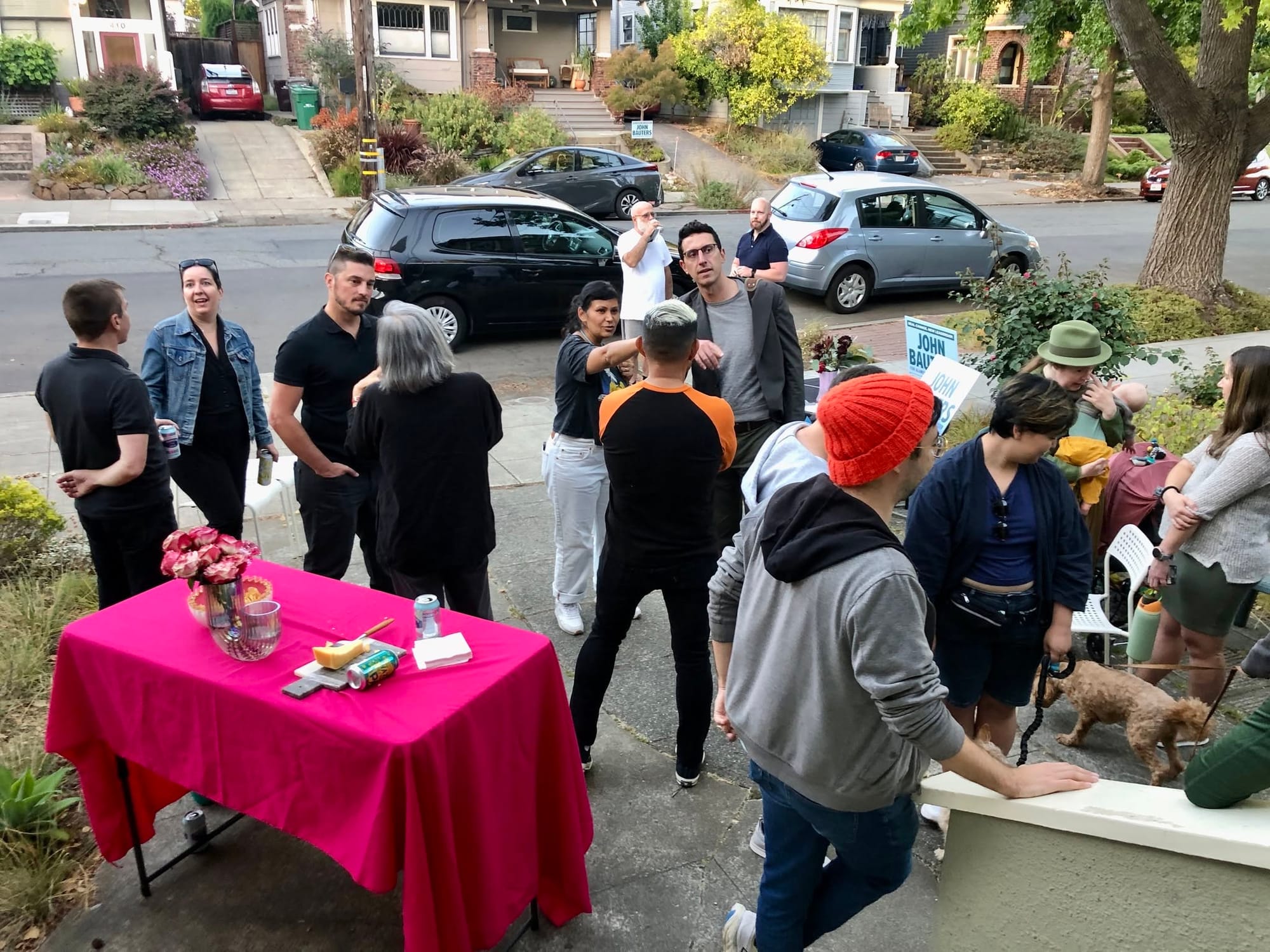
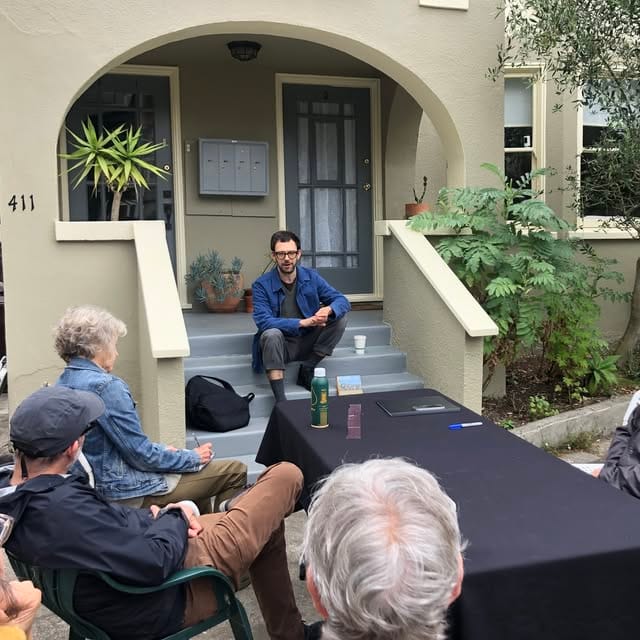
Neighbors quickly become friends when gathering together to talk and engage.
While Rockridge is home to many planners and design professionals, few are visible in the daily life of the neighborhood, actively sharing their craft or engaging residents in conversations about place.
Ironically, while I know hundreds of my neighbors, I have no idea who Oakland's official city planner is. The profession often remains invisible to the public, even though planners make decisions that profoundly affect daily life.
My role as an embedded planner allows me to share planning knowledge directly with the community. From creating interactive models for local children and youth to helping residents understand and discuss new development proposals, to hosting talks from my front stoop—I make planning tangible and accessible.
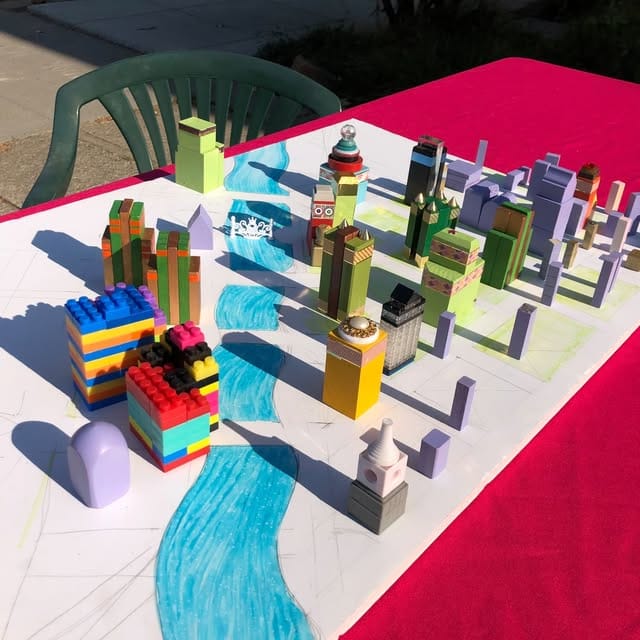
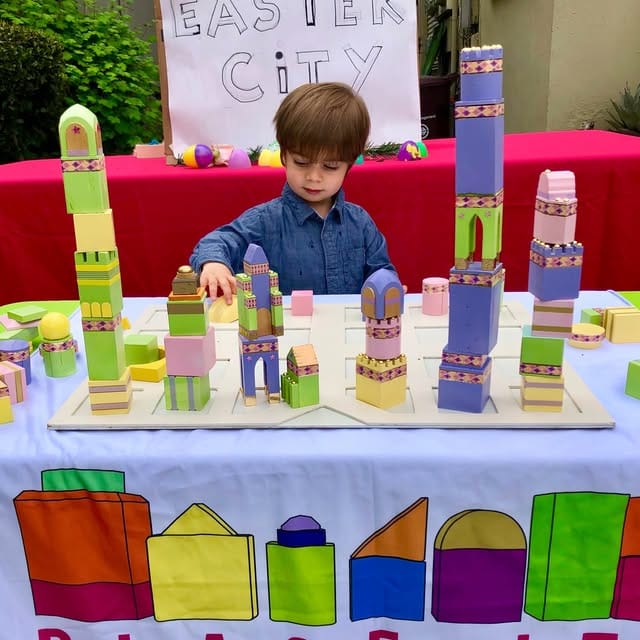
Most recently, I became involved in creating a community model of the proposed development at the Trader Joe's site, helping residents visualize the project and articulate their concerns, hopes, and attachments to place.
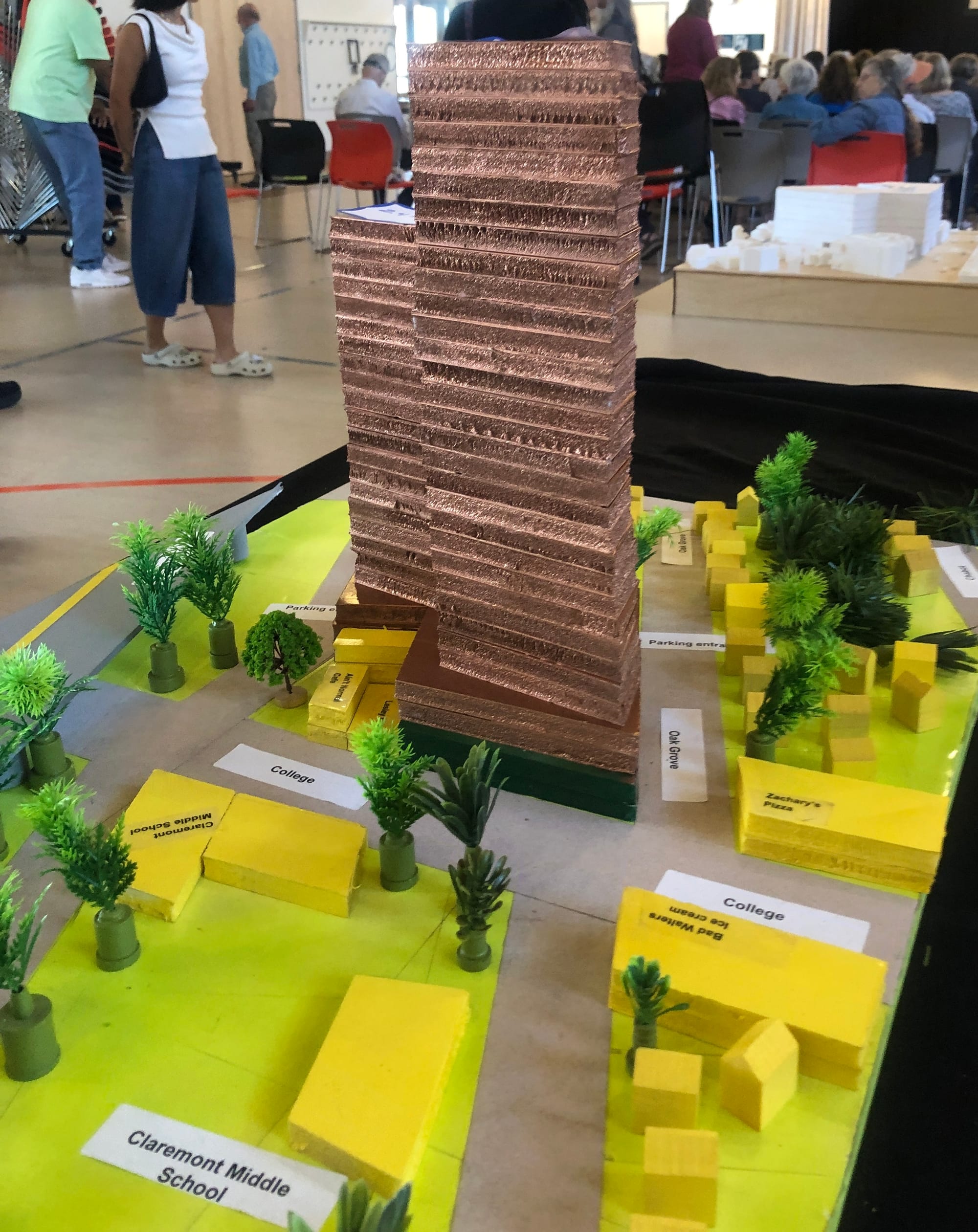
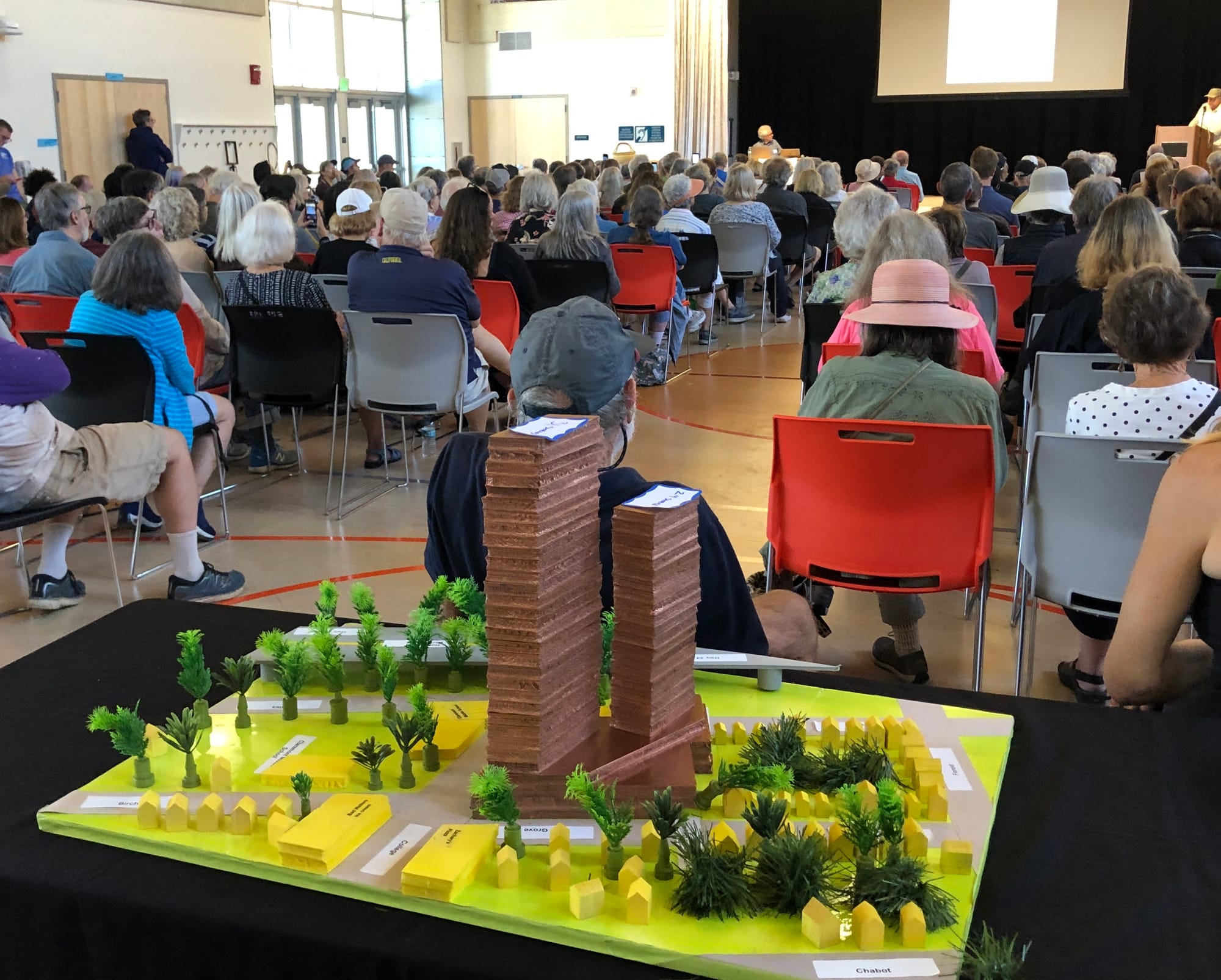
The model shows how the proposed towers at the Trader Joe’s site will look in relation to the surrounding neighborhood. Photos: James Rojas
I also write stories about my neighbors and the places we share. These stories help me and them better understand the built environment and the meaning they attach to it. Most residents are not trained to see their surroundings through the eyes of a planner, designer, or artist. Yet they possess a deep knowledge of place rooted in everyday experience and in the ongoing creation of place.
The more people I meet, the more inspired I become by the stories they carry, the histories they preserve, and the ways they contribute to the neighborhood's evolving identity. Their experiences reveal the longevity of place and the social fabric that sustains it.
This street-level presence allows me to understand people's needs, build trust, and develop authentic relationships. Rather than relying solely on meetings, surveys, and reports, I participate in everyday community life. I observe and am observed. Through these interactions, I gain a sensory understanding of the neighborhood—its rhythms, concerns, aspirations, and social dynamics.
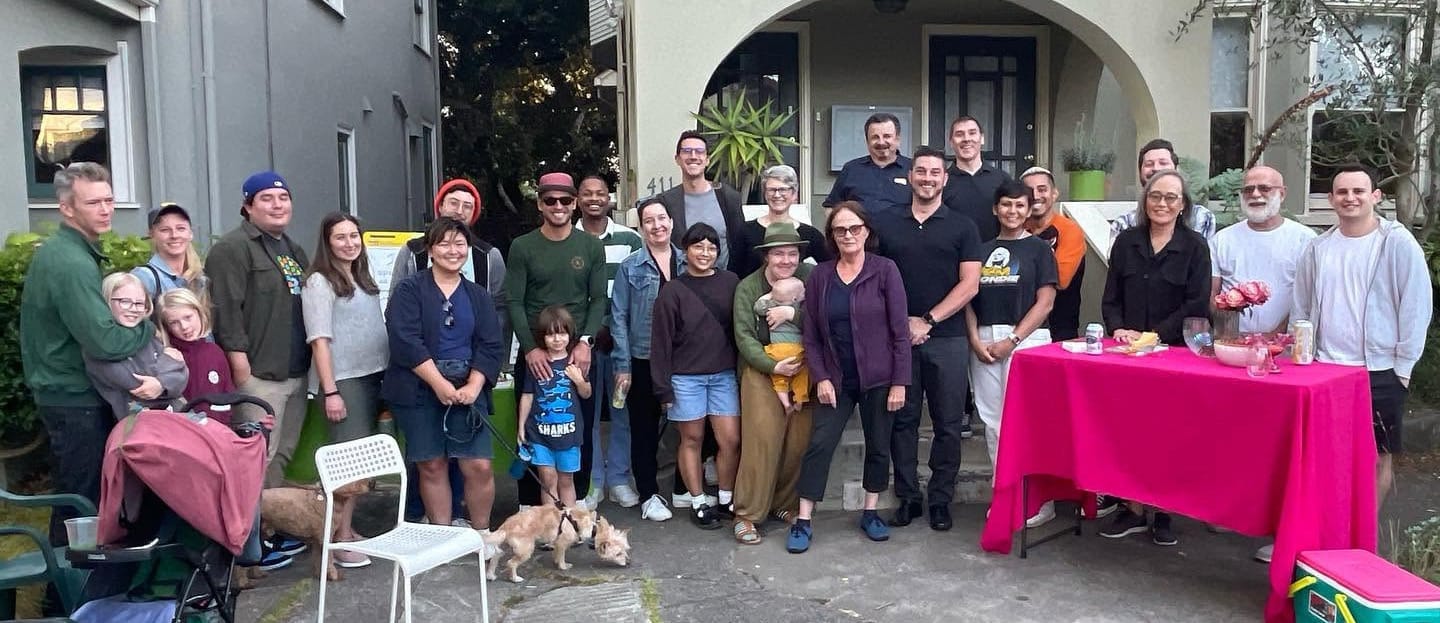
This approach also helps increase participation among people who are often excluded from traditional planning processes. Casual conversations on the sidewalk can be more accessible and welcoming than formal public meetings. By meeting people where they are, planning becomes less intimidating and more democratic.
The embedded planner shares much in common with embedded journalists and participant-observers in anthropology. Rather than studying communities from a distance, they learn through presence, participation, and relationships. Planning becomes less about managing land uses and more about understanding how people experience, create, and sustain place.
The neighborhood itself becomes both classroom and workplace, where every conversation offers an opportunity to learn, connect, and imagine a better future together.
Each interaction deepens my understanding of the community and strengthens local connections.


