

We hear people saying we’re experiencing a housing crisis. But what does that really mean? According to a 2024 study commissioned by the City of Oakland, there’s currently a surplus of market-rate housing resulting from the building boom from 2016 through 2021—and it continues today due to outstanding permits.
The study goes on to say that “supply began to exceed demand, shifting market power from landlords to renters. Effective rents declined as landlords offered concessions to attract tenants and increase occupancy.”
Do we need luxury-priced senior housing?
Proposals by developers seeking to build luxury senior housing in Rockridge do not make sense when, as discussed below, it is affordable housing that is needed. Assisted living facilities for seniors are burgeoning due to the “senior loophole” in the state’s 2019 housing law SB330.
The bill was intended to address the housing crisis by offering bonuses to developers who built affordable housing. but when building housing for seniors, developers can get these bonuses whether or not the units they build are affordable.
According to research done by Urban Institute, published by Housing Matters, “As people age, they experience more health concerns and disabilities, which can create challenges to earning income and staying stably housed.” Building more luxury living spaces is not what seniors need. They need housing they can afford.
In June 2025, the San Francisco Chronicle reported that since the pandemic, Oakland rental prices “have remained relatively flat. That is changing. Data from Apartment List indicates rental prices in Oakland have gone up 4% since May, 2025.
Rental prices in Oakland vary by location, with an average of $2,350 per month, Zillow reports. As of June 2026, there are currently 1,410 rentals available in Oakland. The average rent for the 25 units available in Rockridge is $2,695; for the 144 available units in Fruitvale, it’s $2,400, and for the 59 units in Upper Dimond it’s $2,250.
The Cost of Aging
The National Institute for Retirement Security (NIRS) reported that in 2019, forty percent of older Americans relied solely on Social Security in retirement. Oakland’s rental rates are a challenge for these seniors.
According to Justice in Aging, “older Californians living on a fixed income have been unable to keep up with the challenges of rising rents, health care costs, and other basic needs.”
US News reports about 441,661 people live in Oakland, and the median household income is $107,319. Householders 65 years and older represent 23% of Oakland households; their median household income was $59,968.
- Fifty percent of older renters in Alameda County spend over half their income on housing.
- Oakland’s figures show 52% of seniors with income less than 30% of Oakland’s average median income (AMI) pay 51% of their income on rent.
- Other seniors with incomes at different levels below the AMI also pay 50% of their income on rent (see chart below).
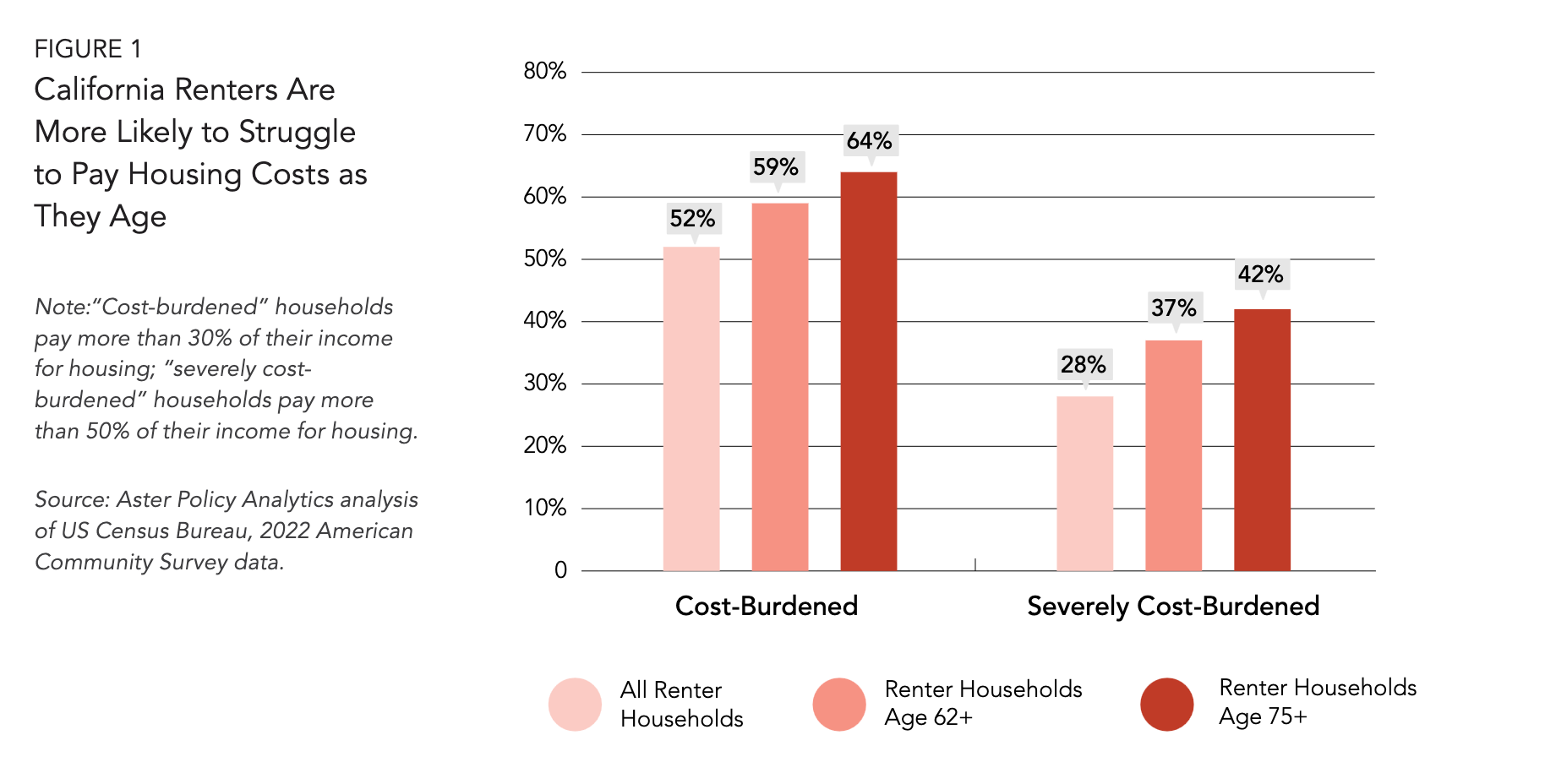
Seniors will be unable to cover the average monthly cost of an assisted-living unit in Oakland ($5,500), which, according to at least one source, is $1k higher than the California state median. The cost of rent at the two proposed high-rises in the center of Rockridge are expected to be similar to Merrill Gardens ($3,995 to $8,250), but developers have not yet revealed what that price will be.
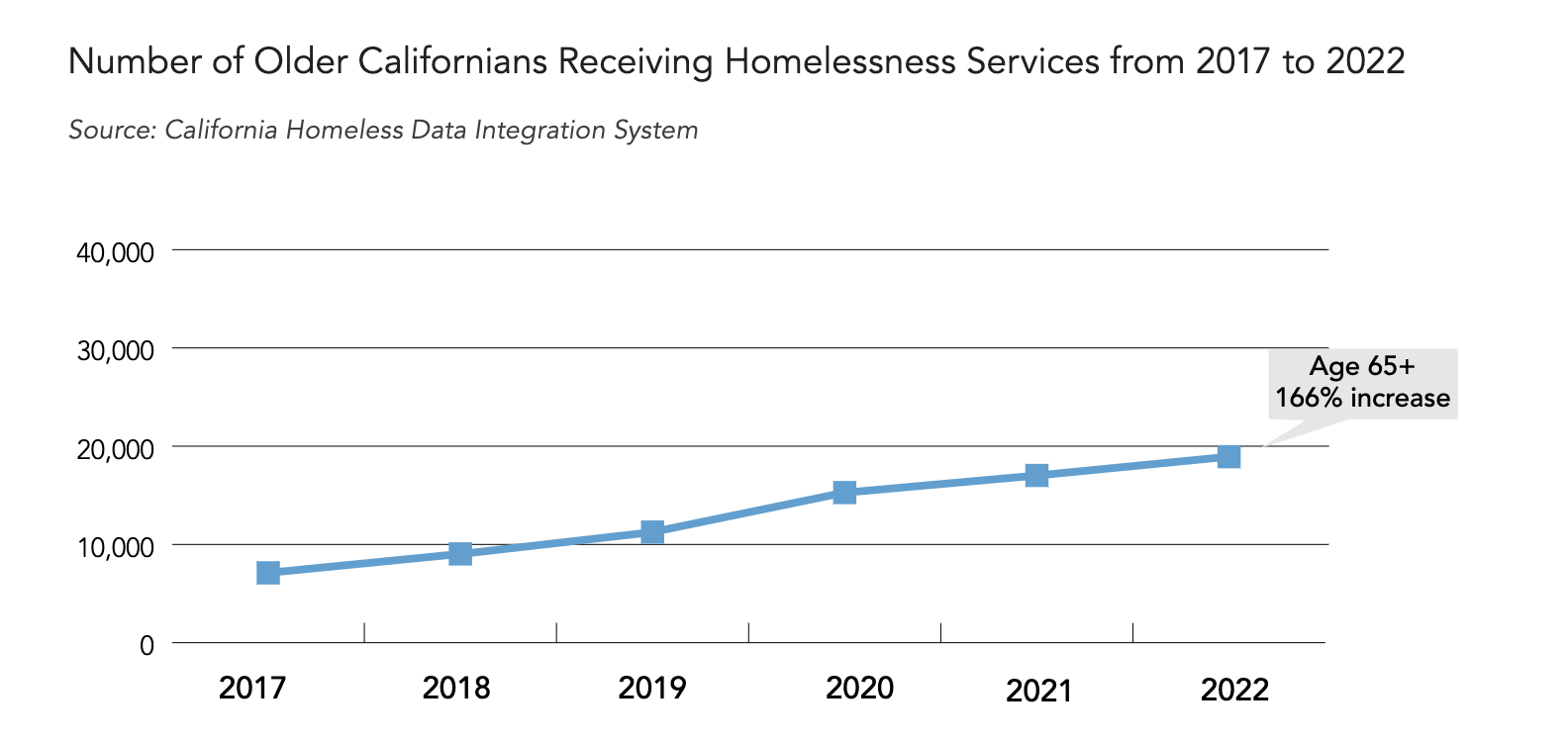
Justice in Aging says, “Increasingly, older renters are reaching a breaking point, entering homelessness for the first time in their lives as they approach old age. Adults aged 50 and older are the fastest growing age cohort of people experiencing homelessness in California.
Studies show that Assisted Living facilities are generally located in higher-income, predominantly white communities and, as a result, they have largely white residents. That describes Rockridge where the median income is $154,807 and the racial make-up of its 3,509 households is Caucasian (60.5%), African American (9.7%), Asian (11.5%), and other (4.2%).
AARP says while many white older adults have the resources to move into assisted living and other senior care facilities, “These options are not readily accessible to older Black/African American and Hispanic/Latino adults, as these groups are more likely to fund their [long term care] through Medicaid.”
In all of Oakland, seniors aged 65+ identify as White/Hispanic (8.4%), Asian or Asian Pacific Islander (28.91 percent), Black or African American (25.10 percent) or some other race or multiple races (36.86 percent). “Medicaid remains the nation’s primary payer for long term care because the annual cost for care often exceeds what individuals and families can afford to pay out of pocket.” It would appear that there are many neighborhoods in Oakland where senior housing could be made available to the people who live there.
CA Gov. Code section 65583(c) requires that Oakland develop a program to promote housing throughout the community for all persons regardless of age, gender, race, ancestry, national origin, and color. The statute requires that planners need to include more diverse, affordable housing in Oakland's neighborhoods, not luxury housing.


