

If Rockridge residents feel increasingly powerless over the future of their neighborhood, there’s a reason. The frustration surrounding the proposed senior housing developments at the Trader Joe’s site and former Claremont blood bank site isn’t just about potentially unpopular projects — it reflects a broader shift in California law that has steadily moved decision-making power away from local neighborhoods and toward Sacramento mandates designed to limit local opposition.
One of the clearest examples is California Assembly Bill 2334, authored by Assembly Member Buffy Wicks. Passed as part of California’s push to address the housing crisis, the law was intended to accelerate housing development — especially affordable housing — by making it harder for local governments and neighborhood groups to delay or block qualifying projects.
Many residents supported those goals. But what’s becoming clear in places like Rockridge is that the law may also have unintended consequences — including much larger structures and loss of retail while significantly weakening meaningful local input in decisions that directly reshape neighborhoods.
In practice, State Density Bonus laws and senior housing provisions can allow developers to pursue very large senior housing projects with limited affordability requirements while still receiving streamlined approvals, reduced parking requirements, and exemptions from local zoning standards.
That distinction matters.
Residents are now facing the possibility of losing valued neighborhood-serving retail — including the treasured Trader Joe’s— while significantly larger developments rise in their place. And because state law now limits local discretion, community input carries far less weight than it once did.
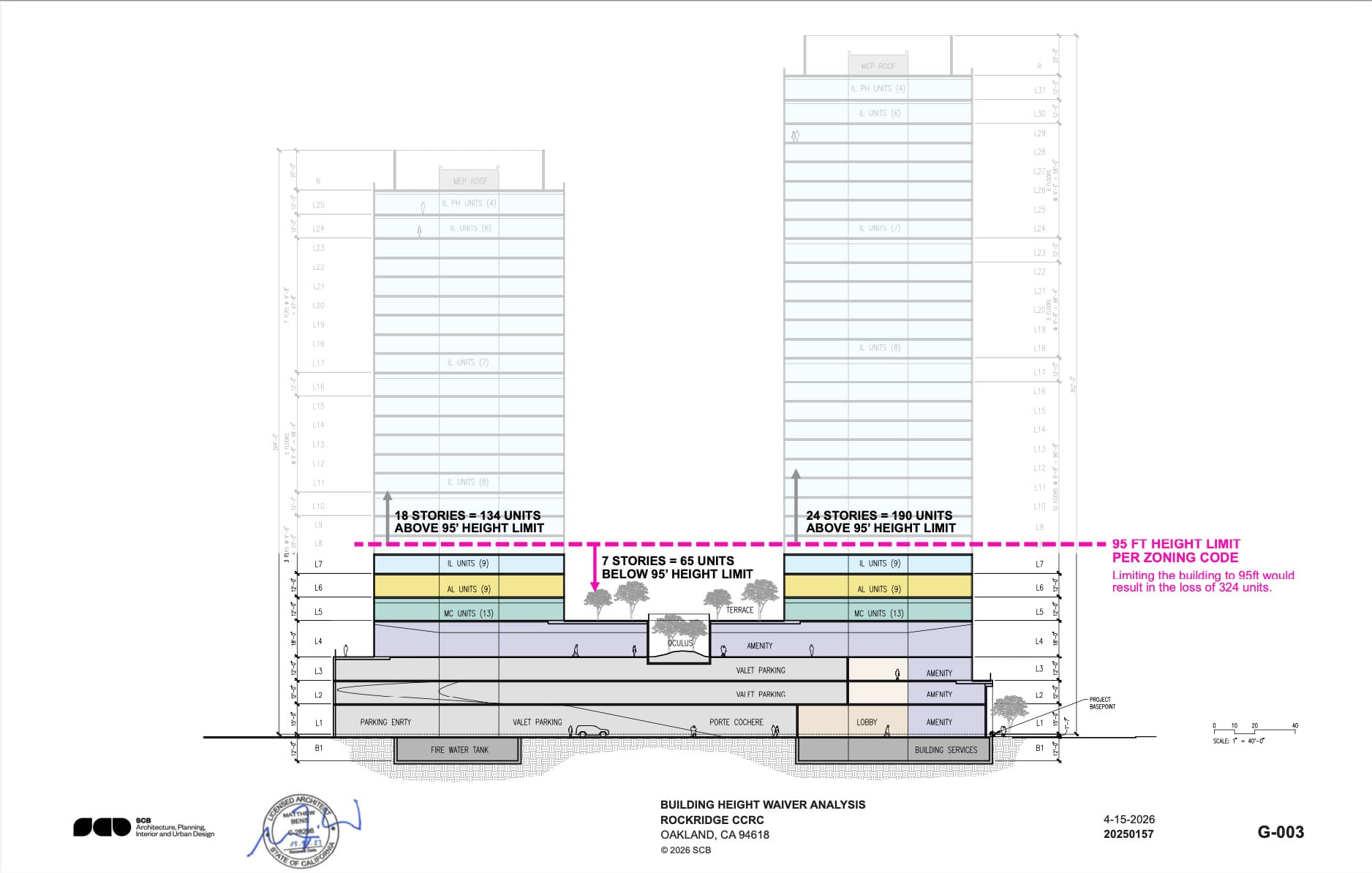
Whether residents support or oppose the projects themselves, the reality is the process has fundamentally changed. Decisions once shaped heavily by neighborhood perspective are now increasingly driven by Sacramento policy.
And housing may not be the only area where this shift is happening
Over the last several years, Wicks has also supported efforts to install traffic diverters on Hillegass and Colby near 62nd Street to reduce cut-through traffic. Supporters argue the diverters would improve neighborhood safety. Opponents argue they would simply redirect congestion onto surrounding streets and worsen traffic along College Avenue and nearby corridors.
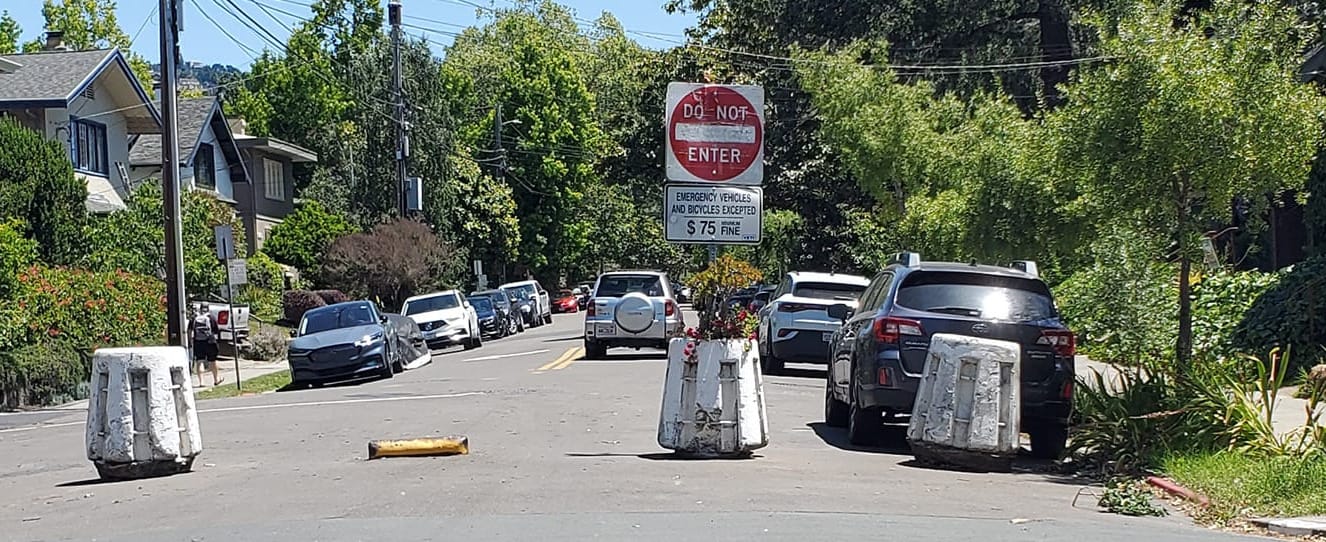
At a December 4, 2024 meeting at College Avenue Presbyterian Church, more than 200 residents reportedly attended, many voicing opposition to the diverters. For opponents, the meeting highlighted a broader concern: major neighborhood changes appearing to move forward without adequate transparency or meaningful community input.
But when broader neighborhood opposition emerged and the diverter proposal appeared to lose public support, the strategy shifted. Instead of persuading the wider community, Wicks is now advancing Assembly Bill 1976, legislation that would expand state authority over pedestrian and bicycle infrastructure projects and could make it easier for similar transportation projects to move forward regardless of local sentiment.
To many residents, that creates the appearance of a troubling reversal: local activism was embraced when it supported the desired outcome, but once broader opposition emerged, Sacramento legislation became the mechanism that could potentially override it.
The larger question facing Rockridge is no longer just about two senior housing projects or a pair of traffic diverters. It is whether local communities will continue to have meaningful authority over the future scale, traffic flow, and commercial identity of their neighborhoods — or whether those decisions will increasingly be shaped by statewide mandates designed to override local viewpoints.
That debate may become even more important in the coming election cycle. Buffy Wicks faces a primary election in June and reelection in November. For voters concerned about the growing appearance of hyper-personal politics influencing Sacramento policymaking, this may be a moment to think more carefully about where the balance between state authority and local input should be drawn.
By Shelli Strand
Rockridge Triangle Resident


