


The interior design of many Rockridge homes triggers memories from different places in my life: New York, Los Angeles flea markets, San Francisco, Italy, and even Hungary. Each interior becomes a doorway to another time and place.
Through Rockridge’s social public realm, I have met many people simply by spending time in my front yard. As a Latino, it has become my plaza—a place where I can take the pulse of the community. One of the pleasures of living here is meeting the people who walk through the neighborhood for leisure, exercise, or with their toddlers and dogs. These encounters reveal a great deal about a place: how people inhabit it, and why. Each person carries stories from past lives and experiences.
It’s not the techies who are the most stimulating to talk to, but rather the residents over sixty. They bring a wealth of lived experiences to their stories. Yet, it’s when they invite me into their homes that their magical worlds truly unfold.
Because Rockridge has attracted bohemians and creative types for decades, many of these interiors feel like stepping back into the 1970s and 1980s when life seemed more expressive, unconventional, and free. As an urbanist interested in memory and place, I have come to see these interiors as small landscapes of personal history, spaces where life experiences, travels, and cultural moments quietly accumulate.
Riding the train into Manhattan from Boston was exciting, but maneuvering New York City’s dangerous streets in the 1980s was always a challenge for a novice like me. My neighbor across the street, Dare Porter, brings me back to those days because he creates art mostly colorful, pop-inspired assemblages and sculptures.
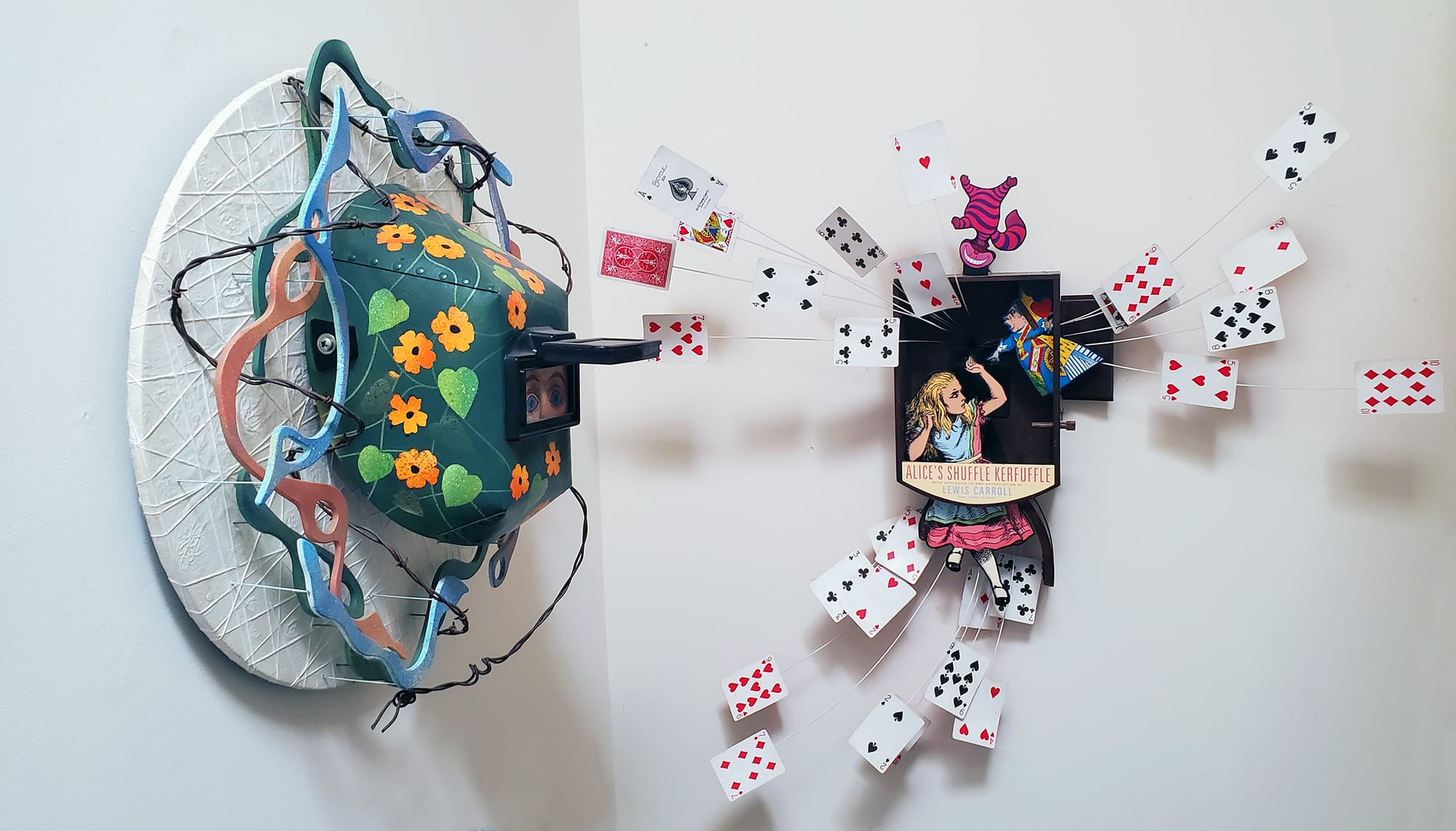
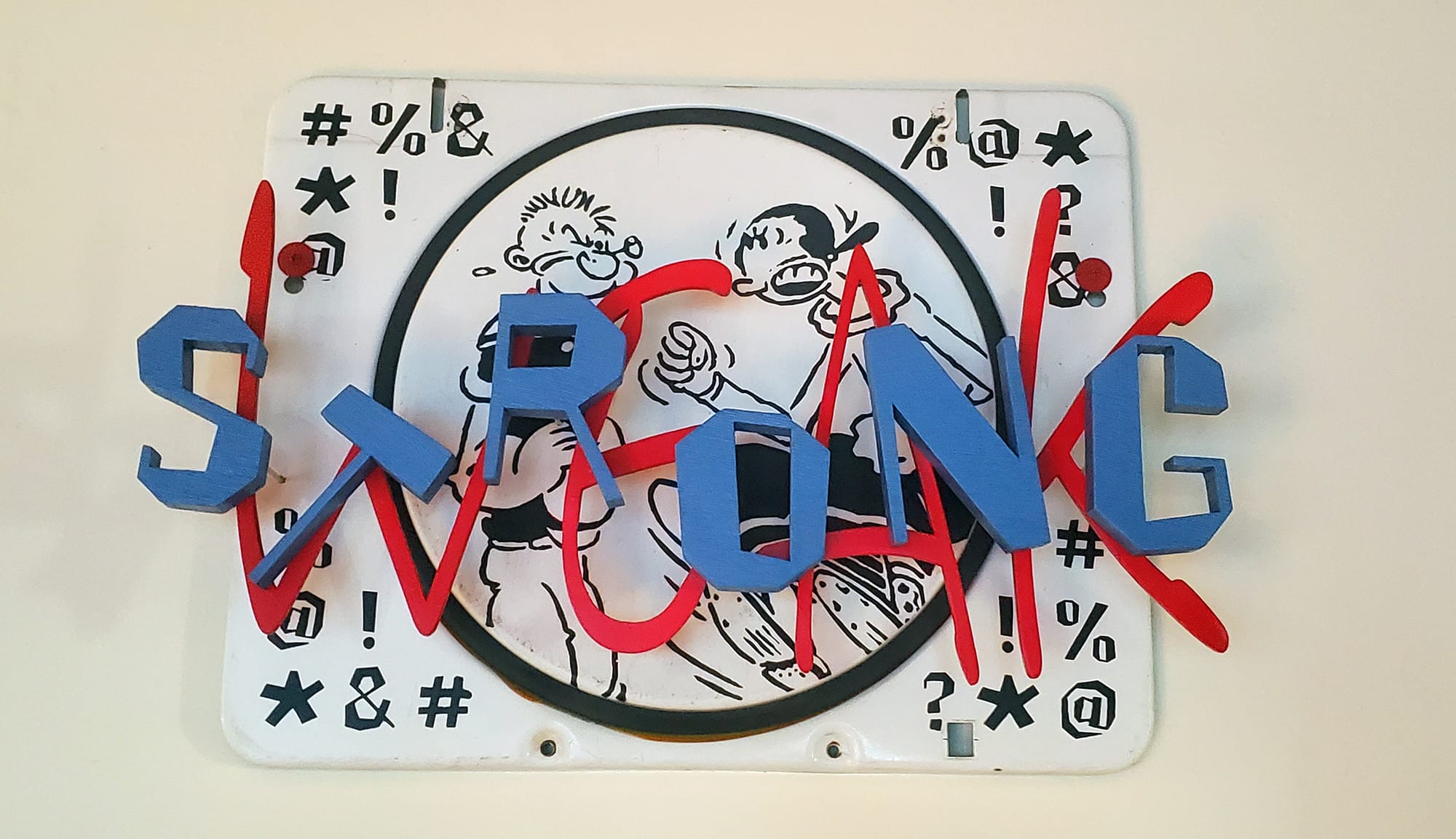
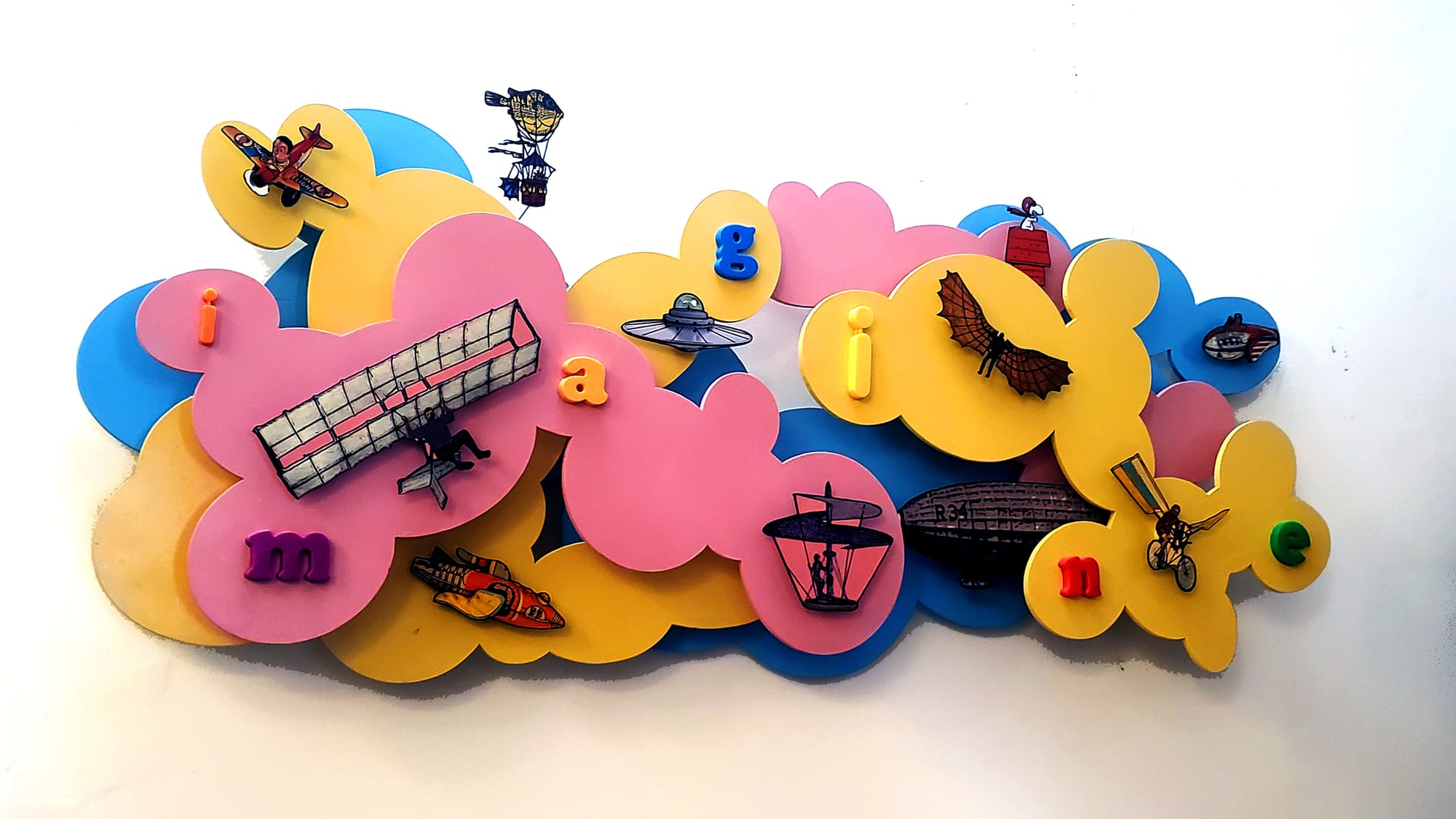
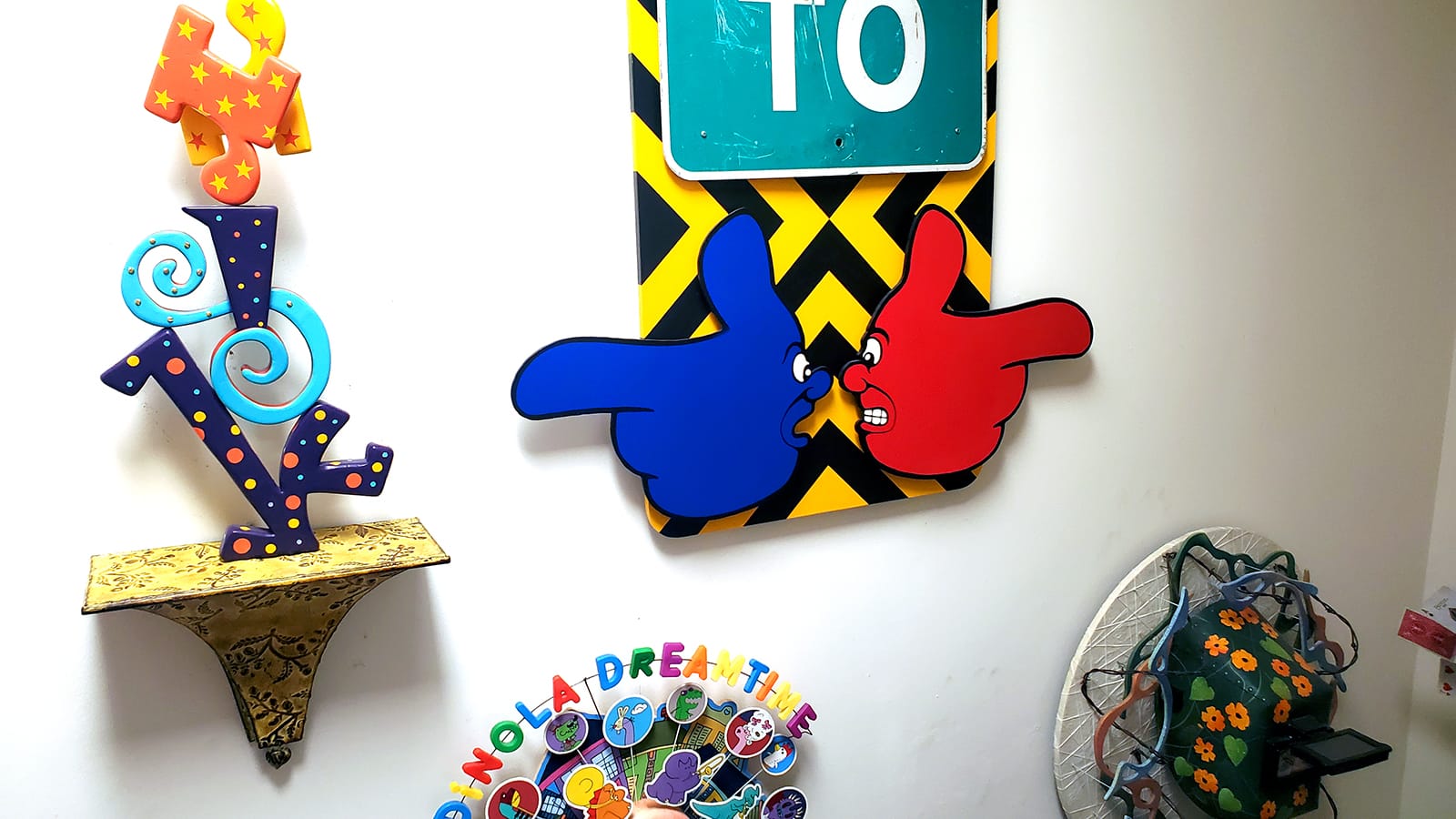
Dare Porter‘s assemblages provide a whimsical world view, often using found artwork. Photos: Anna L Marks
His work reminds me of my younger days exploring New York City, when I would stay with a college friend whose parents’ apartment was filled with art by Lichtenstein, Rauschenberg, Warhol, and others. Those artworks created a safe haven away from the rough streets outside while feeling playful, experimental, and full of creative energy.
Staring at Julianne’s dining room wall of Bauer pottery reminds me of wandering through the Pasadena City College Flea Market on a Sunday morning in the 1980s, with the snow-capped San Gabriel Mountains in the background. Collectors and vintage lovers would spend hours hunting for treasures.
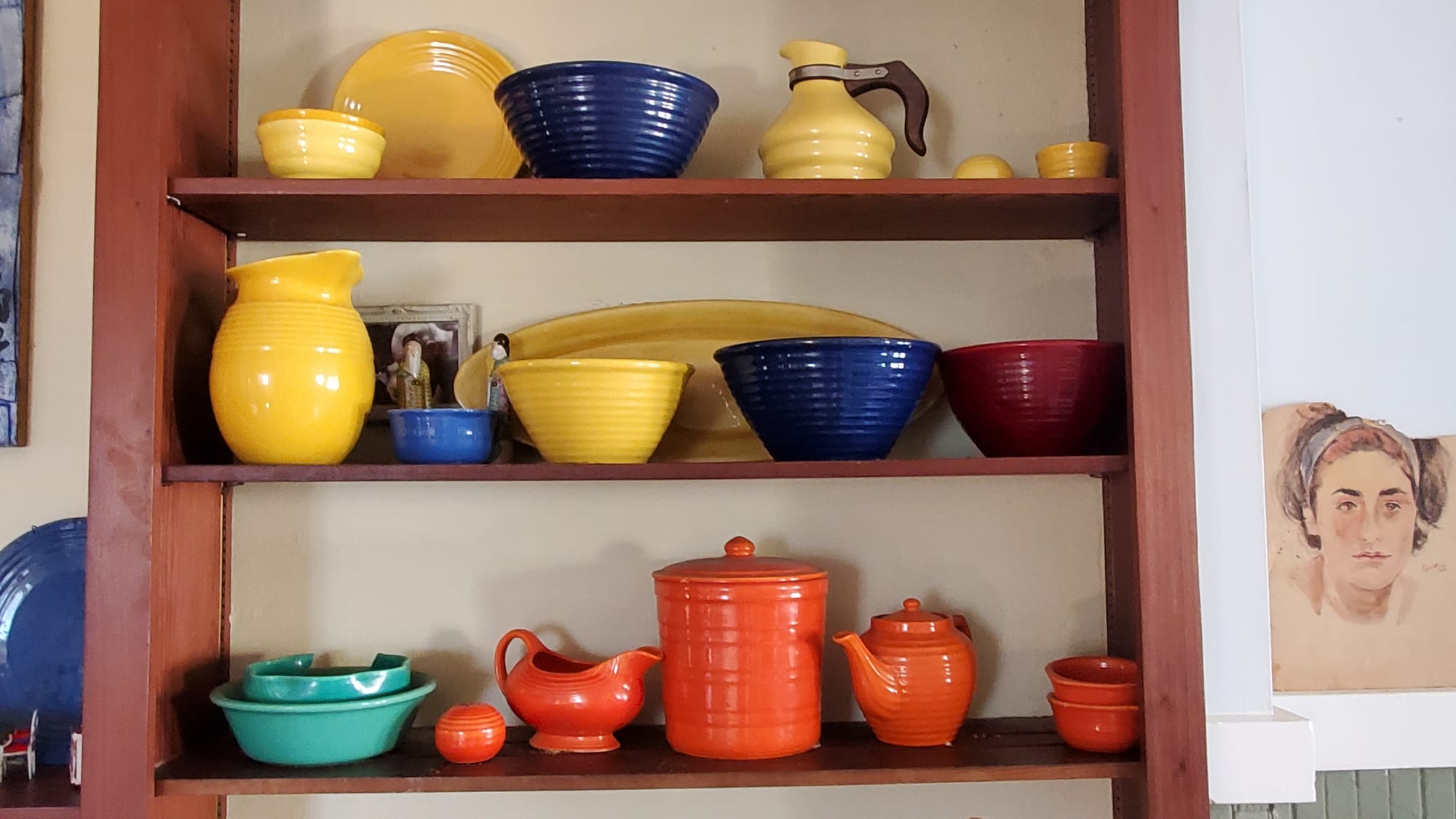
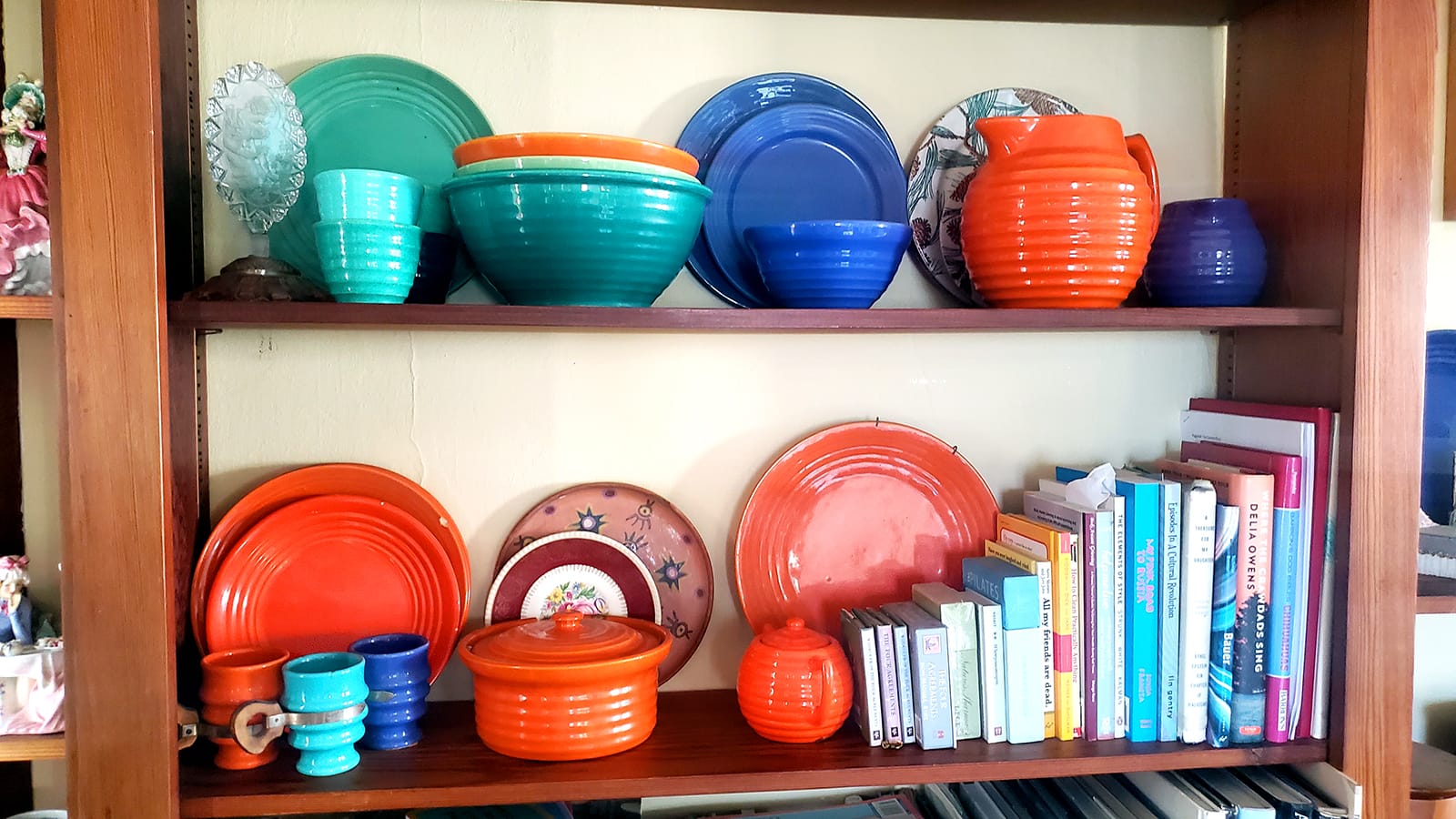
You might even spot actors like Daryl Hannah and other Angelenos combing through the vendors’ stalls, building collections of mid-century modern furniture and quirky objects to create playful, Pee-wee Herman–like homes full of color and personality—long before the era of minimalist interiors promoted by magazines like Dwell.
Despite the Central Valley’s raging heat, my high school friends and I would drive from Los Angeles to San Francisco in the mid-1970s to experience the city’s gay culture. The city seemed to open up the moment we crossed the Bay Bridge.
Gary Sponholtz’s house on Boyd is a throwback to the style of gay interior design that flourished during that time, when many gay men flocked to San Francisco and, for the first time, felt free to express themselves openly. Public life—meeting people in parks, bars, and on the street—was an essential part of that culture, and their interiors often reflected that openness. Apartments were minimally decorated but filled with sensual imagery, disco music, and a sense of theatricality.
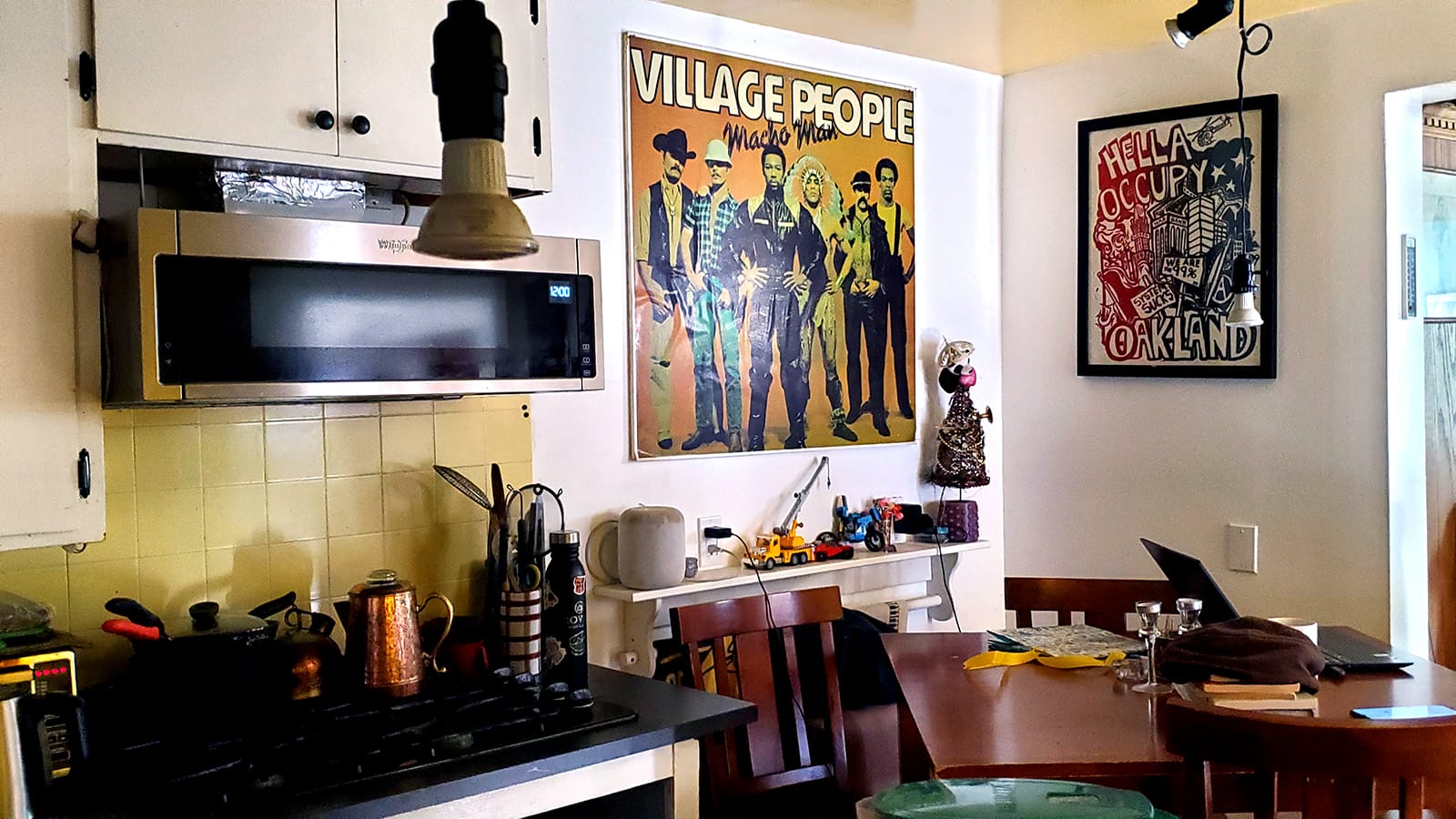
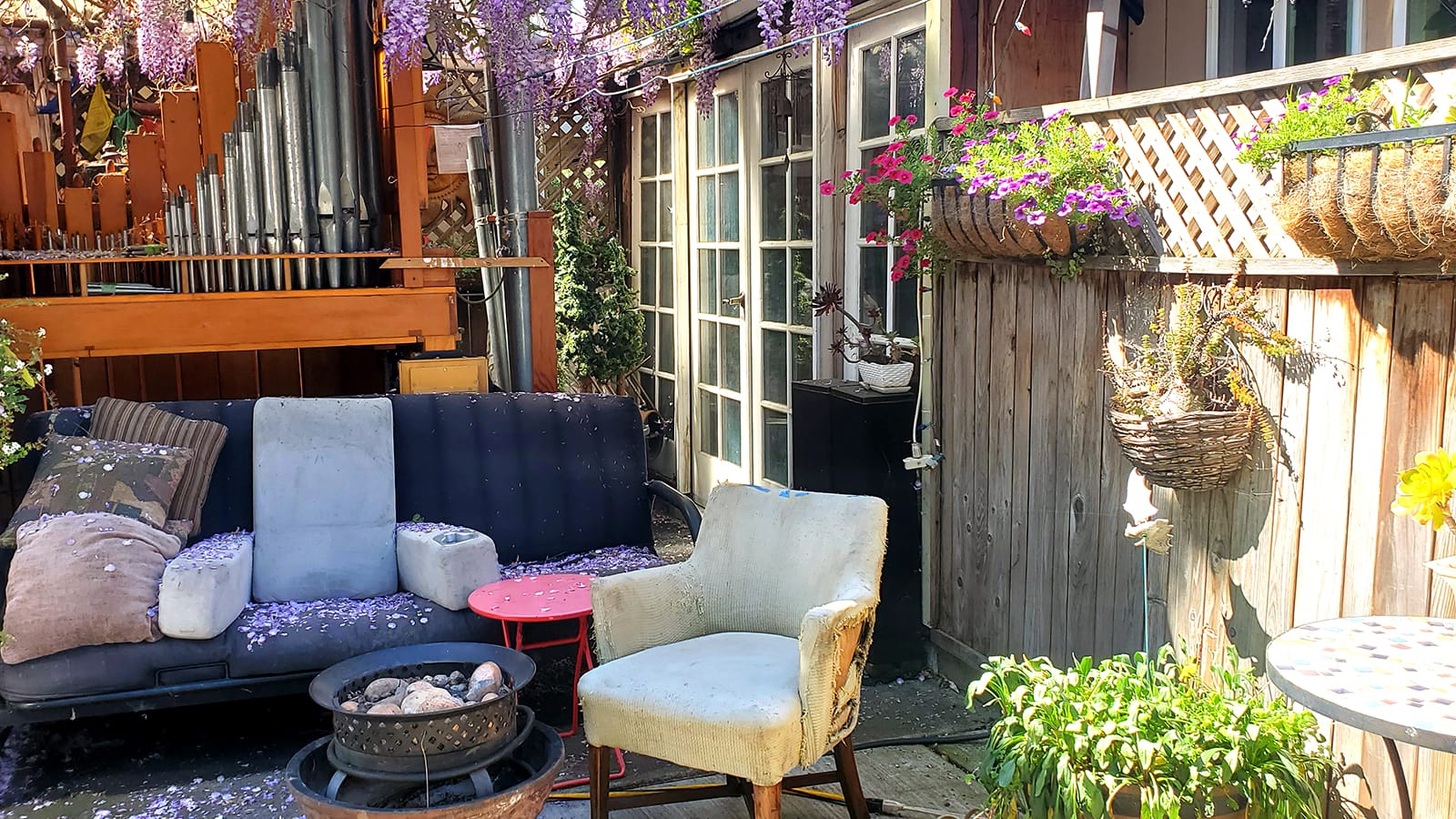
Gary’s living space extends outdoors to the garden patio. Photo: Anna L Marks
Driving with my friend Piero through the farms of northern Italy, searching for “Futurismo” furniture in old barns was one of our favorite pastimes. My Italian neighbor fills her home with heavy wooden Renaissance-style furniture. It reminds me of the 200-year-old apartment where I lived in Vicenza. The space had thick stucco walls, a cool travertine floor, and massive furniture. I filled it with Italian pieces from the 1930s that I collected while living there. The apartment felt grand, old, rustic, and oversized—very different from the lighter interiors common in California.
The lacy curtains in the windows of my Hungarian host family’s communist-built apartment allowed maximum sunlight to fill the room. The stripped-down interior of their living room held only the essentials—books, plants, and a quiet sense of intellect and nature. It was a space that truly embodied the idea that form should follow function. Living there after the fall of communism exposed me to a very different kind of spatial life.
Initially, I dreaded staying there, unsure of what life in such a modest setting would feel like. But I quickly adjusted and came to appreciate the calm simplicity of the space.
Today, our own small living room feels similar. It is filled with sunshine, books, and plants, minus the lacy curtains.
These are just a few of the memorable interiors of Rockridge homes I have encountered. They harken back to an era before tech and social media, when exploring the world through our senses, rather than through a device in our hands, made life feel more meaningful and memorable.


