


Spring is in full swing, and noticeably longer and warmer days beckon us to step back out into nature. For many of us living in Rockridge, that trip can be as short as just stepping outside our homes into garden spaces, large and small. While early nesting birds like hummingbirds began nesting already in January and February, many of the commonly seen birds in our neighborhood are still busy seeking mates and building nests. With the erratic rains we have had so far this year, some nesting materials are scarce, and this is where we can play a part.
Not All Nesting Materials Are Safe
In years past, I have put out some materials that I heard were good for nesting birds, only to find out that a number of them posed real danger to the health or even the lives of the birds and nestlings I so wanted to help.
This year, armed with good information from the Audubon Society and other birding sites, I am putting out alpaca fur, which is a preferred fiber for its short length, water-shedding ability, and excellent insulation properties. Birds will use it to line their nests to keep their hatchlings safe and warm.
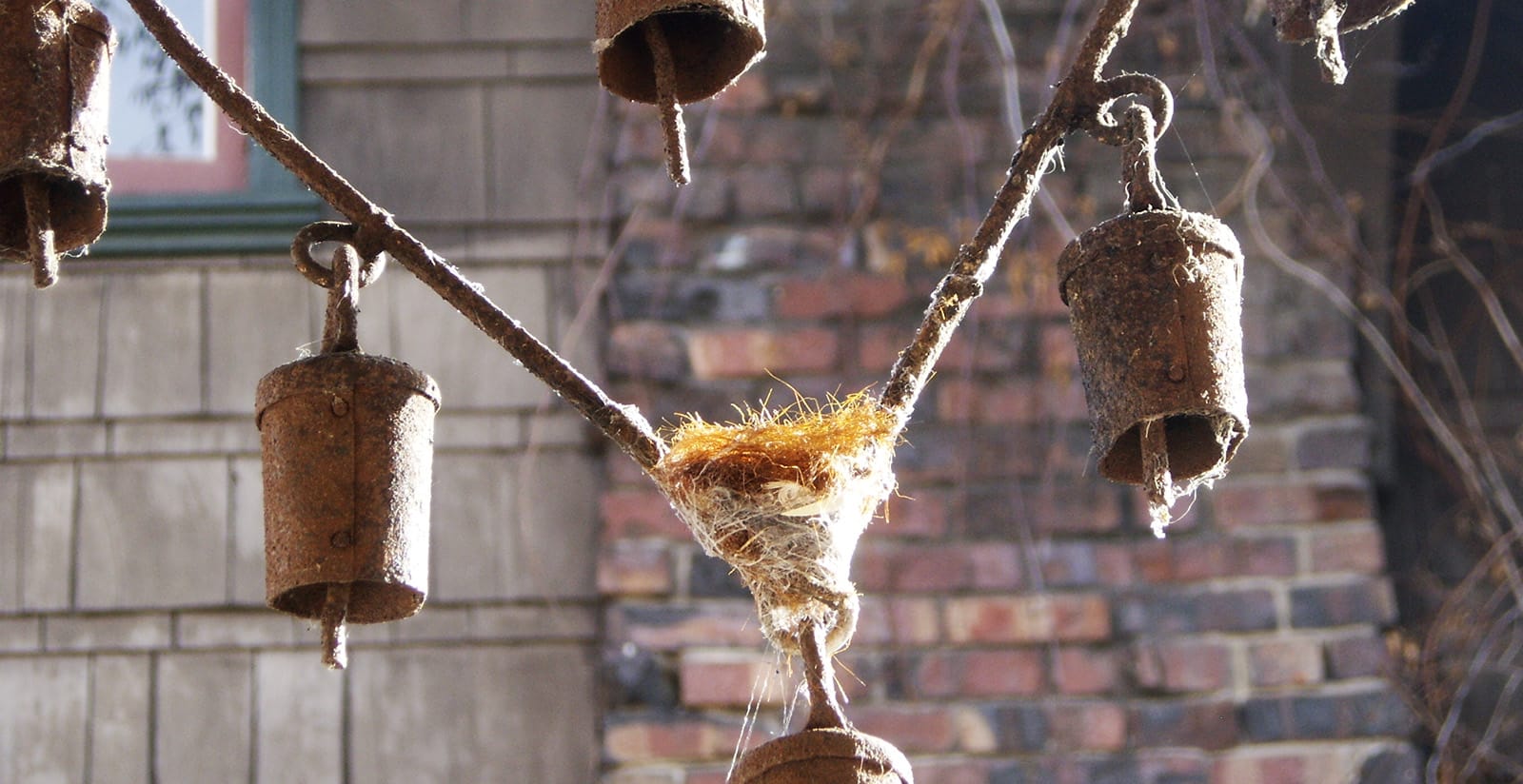
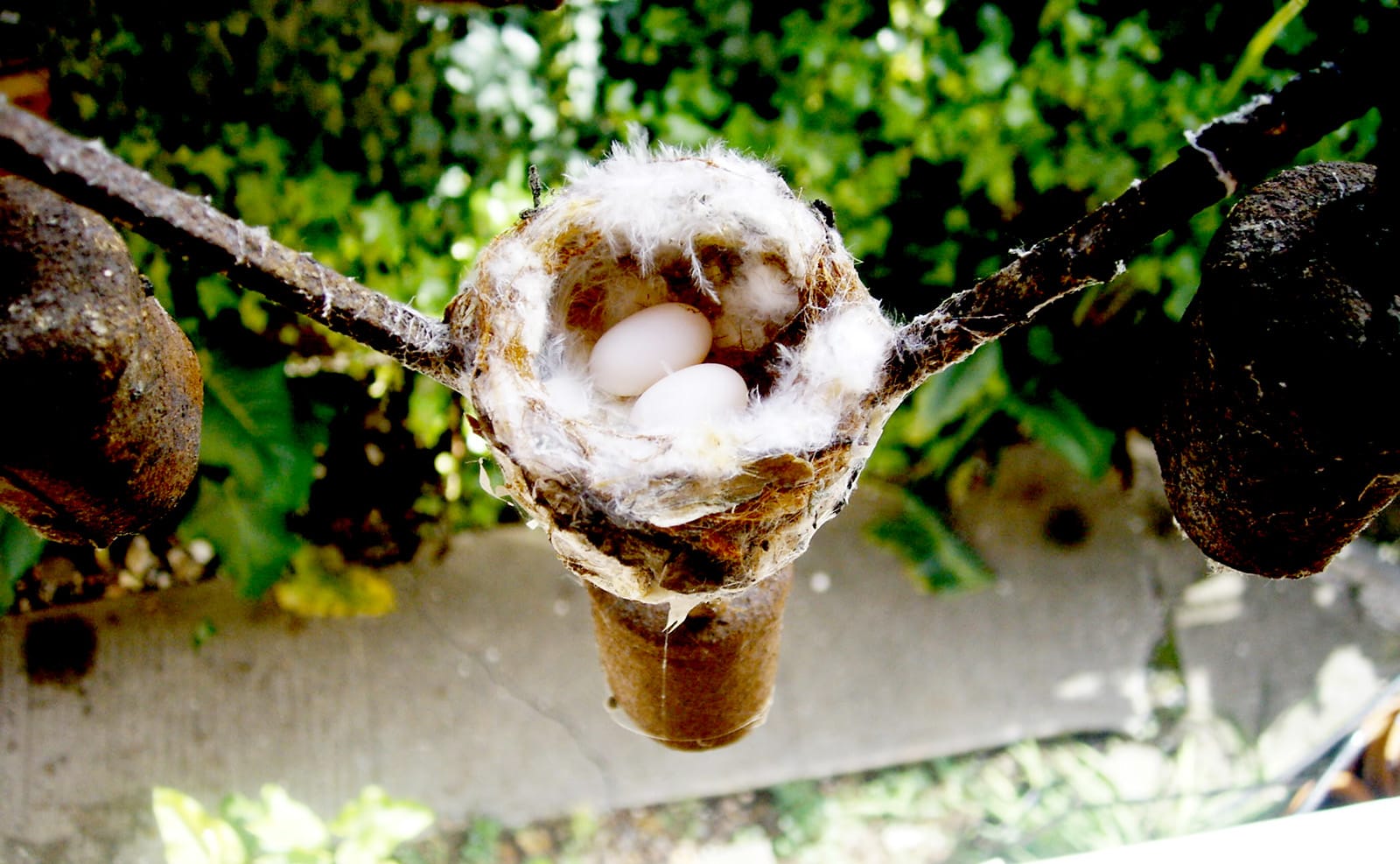
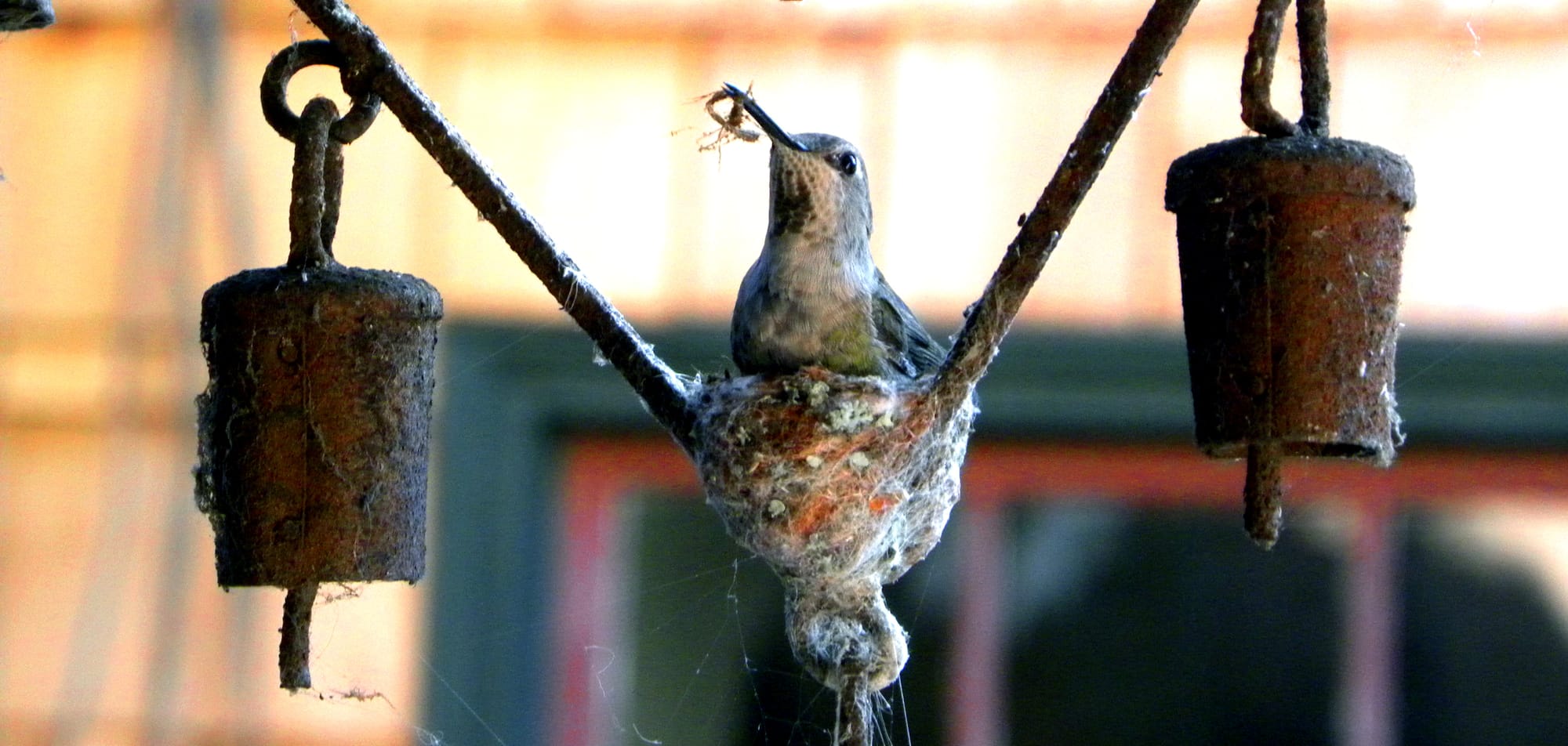
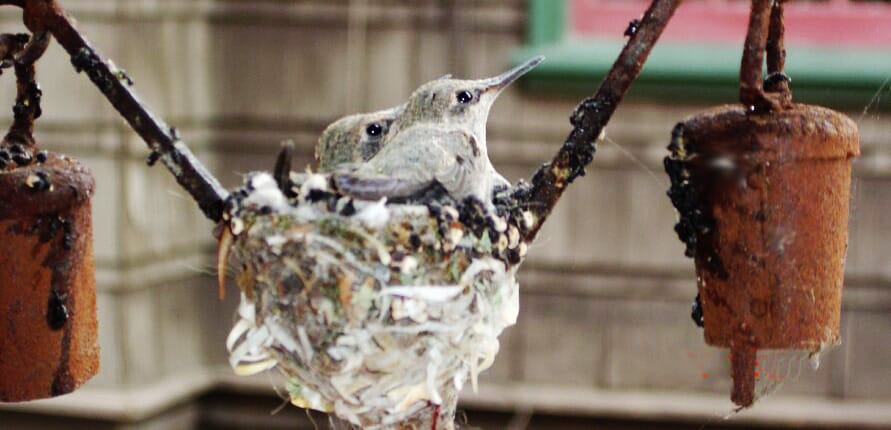
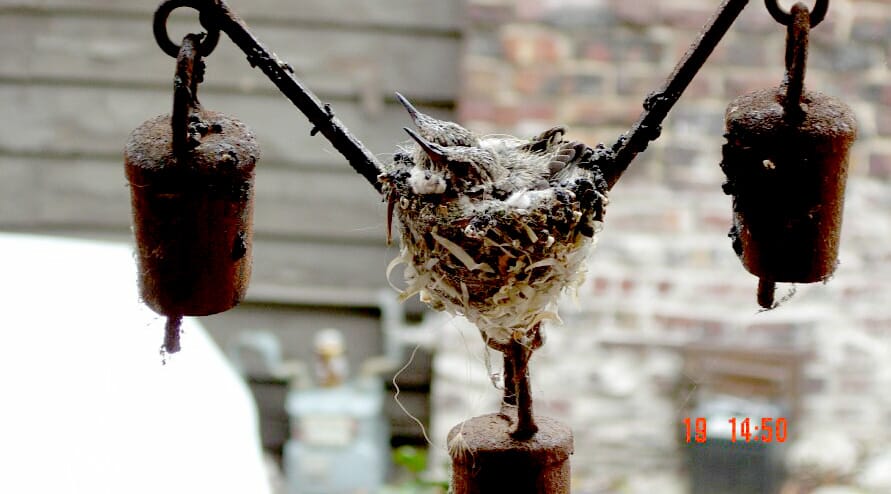
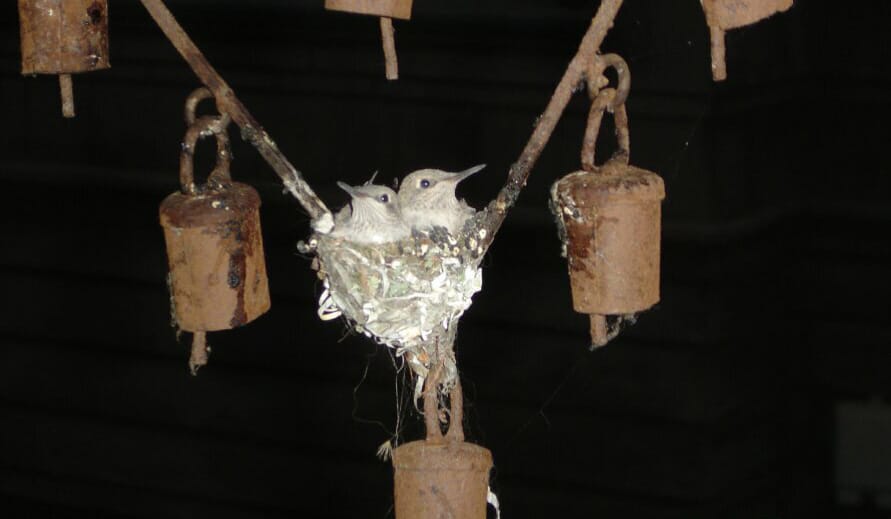
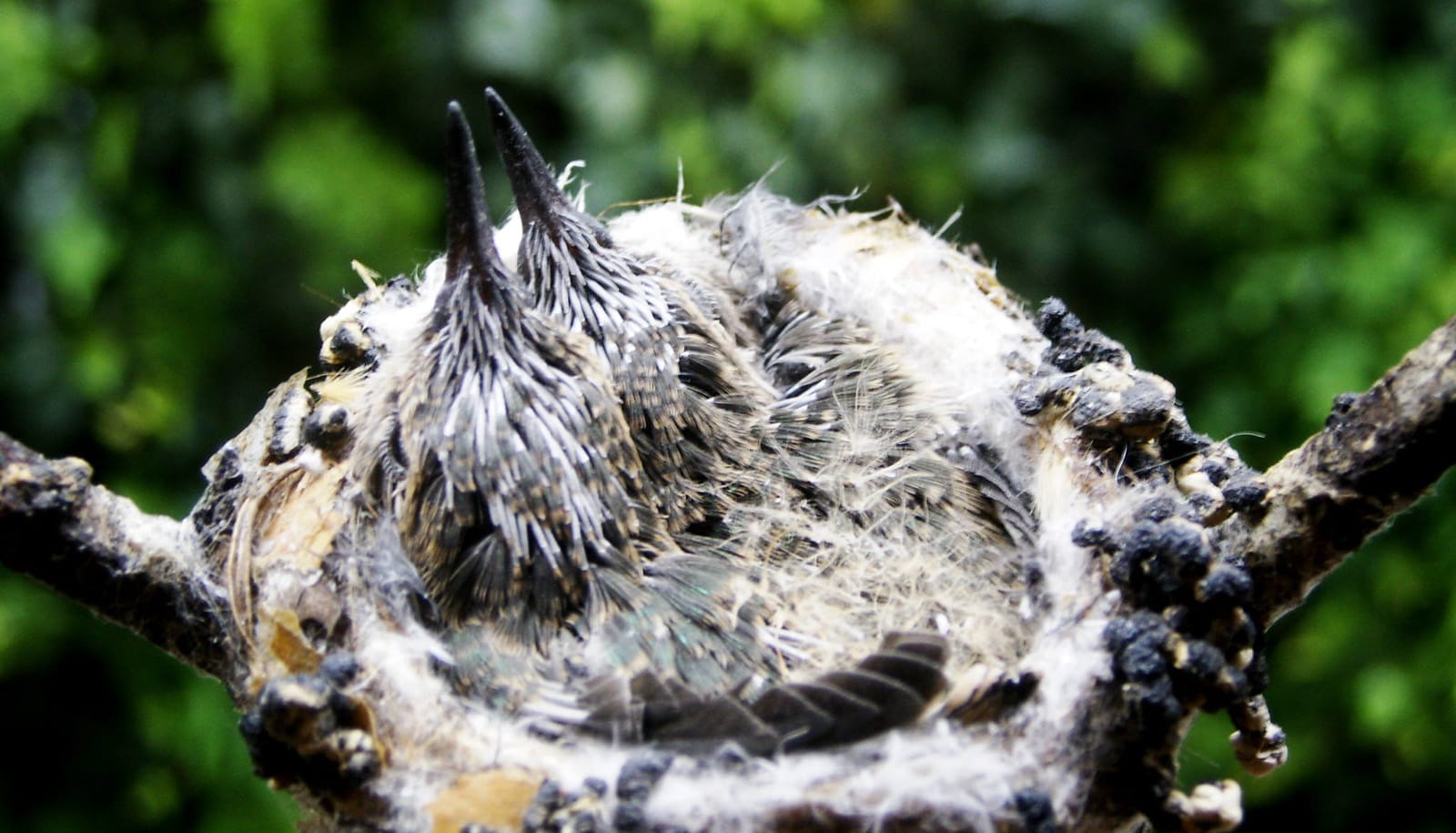
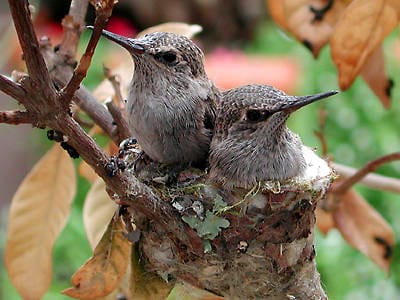
Hummingbird nests are tiny, and can be found in the most unusual places. Photo: Stu Flashman
Nesting Material Don’ts
All materials made available to nesting birds should be no more than 3–4 inches in length. Pieces longer than that create serious entanglement hazards for birds, and if strings and ribbons get wrapped around birds’ legs, feet, wings, or necks, they can cause injuries or even be fatal, especially to nestlings.
Dryer Lint
When it rains, holes form in a nest made with dryer lint. After it dries, dryer lint becomes crumbly, and the nest falls apart. Dryer lint dust can be hazardous to baby birds’ lungs, and the concentrated chemicals from perfumed and dyed laundry products are toxic to both baby birds and adults sitting on the nest. Furthermore, lint with a strong odor can attract predators, bringing them right to a vulnerable nest.
Pet Fur
Birds frequently gather animal fur to use in their nests. It makes for a soft, warm nest lining for eggs and baby birds. Pet fur, however, is often chemically treated with flea and tick treatments, as well as shampoos, conditioners, and powders. Just as those toxins are lethal to unwanted pests, they’re also highly toxic and poisonous to birds.
Yarn or String
String, yarn, thread, and ribbon leftover from craft projects aren’t always suitable as nesting material. The bright colors of yarn and string can catch predators’ attention, and the dyes that create those colors could be toxic to birds. Furthermore, many craft strings and yarns are woven with artificial fibers, including occasional metallic accents or plastic compounds. Those materials will not stretch, yield, or break down as natural materials would when nests are in use. Only undyed, natural strings or yarn should be offered to birds, and only if they’re in short, 3–4-inch lengths.
Human Hair
The dyes and perfumed products we use on our hair, especially those we leave in, like styling gels, sprays, and mousses, can be just as toxic to birds as flea dips and other chemicals found in pet fur. Even organic products can still be concentrated in your hair and be dangerous for birds.
Best Nesting Materials for Birds
While dangerous materials should never be offered to nesting birds, there are many safe and suitable options that can help birds build sturdy, functional nests to nurture their families. Many natural materials can be found right in the garden, and others can be placed in the yard for birds to find. Great options include:
• Milkweed and cattail fluff
• Grass clippings (without pesticide or herbicide treatments)
• Mosses and lichens
• Pine needles
• Straw and hay
• Coco fiber linings
• Chicken or poultry feathers
• Spider webs
Up to 150 bird species call our local habitat home. Environmental and bird-friendly materials like these will encourage birds to return again and again to Rockridge backyards.


