


In a converted industrial building on the outskirts of Emeryville, a new kind of creative hub is taking shape—one built not just around tools and materials, but around people, collaboration, and shared purpose. This workspace is called The BEAM.
At its core, the space is a build shop, a place where ideas become physical reality. The project, led by a team including several Rockridge residents and spearheaded by Leo O’Brien, Vandy Howell and their son Truman O’Brien, is more than just a workshop. Unlike traditional maker spaces that often prioritize individual projects, this one is structured around multiple layers of engagement.
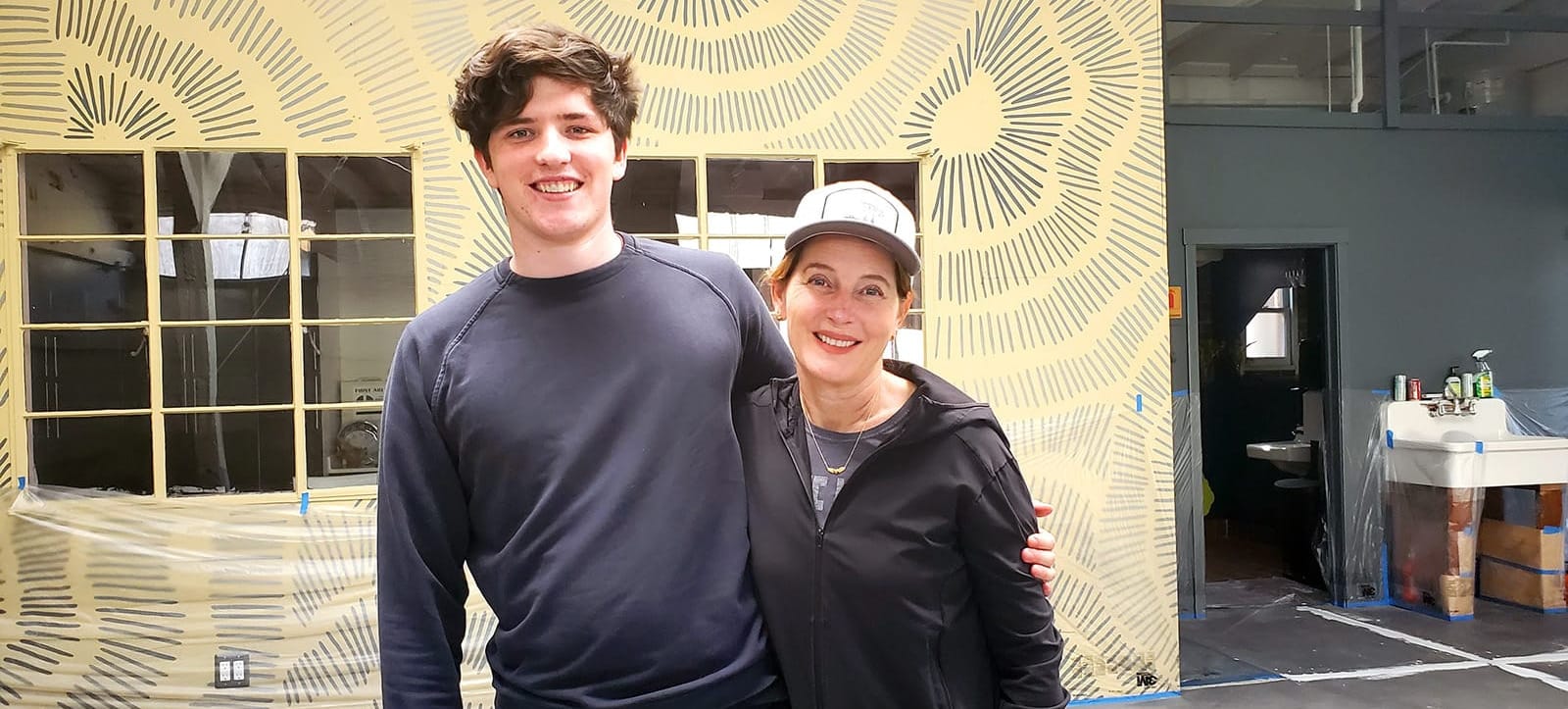
“We brainstormed a billion names. The thing we liked about BEAM is that a beam can hold things up; a beam is a ray of light. We're sci-fi people, like ‘beam me up, Scotty’; and we're like, oh, you could just get beamed up when you're in here because you're just like in a different place. And then, for me too, it's just a big smile with no reservation, you know? We have the BEAM Team now—that's what it's called, a big team of leaders,” explains Vandy.
And then, at some point thereafter, someone asked chatgpt for help and it came up with BEAM as an acronym for Builders, Engineers, Artists, and Makers.
The most committed participants are bench holders, individuals who maintain a dedicated workspace and play an active role in shaping the shop’s culture and direction. Alongside them are community members who can access shared tables and tools without a permanent setup, offering flexibility for those who want to build without a long-term commitment.
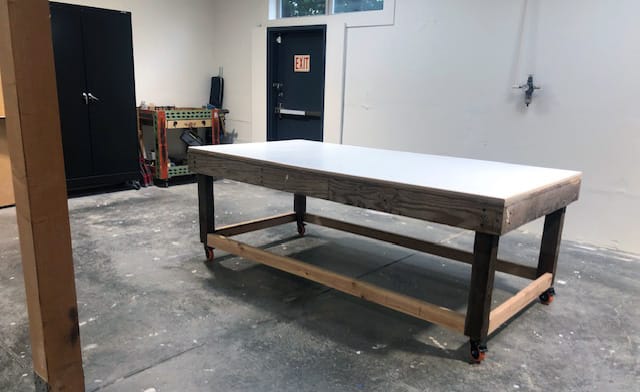
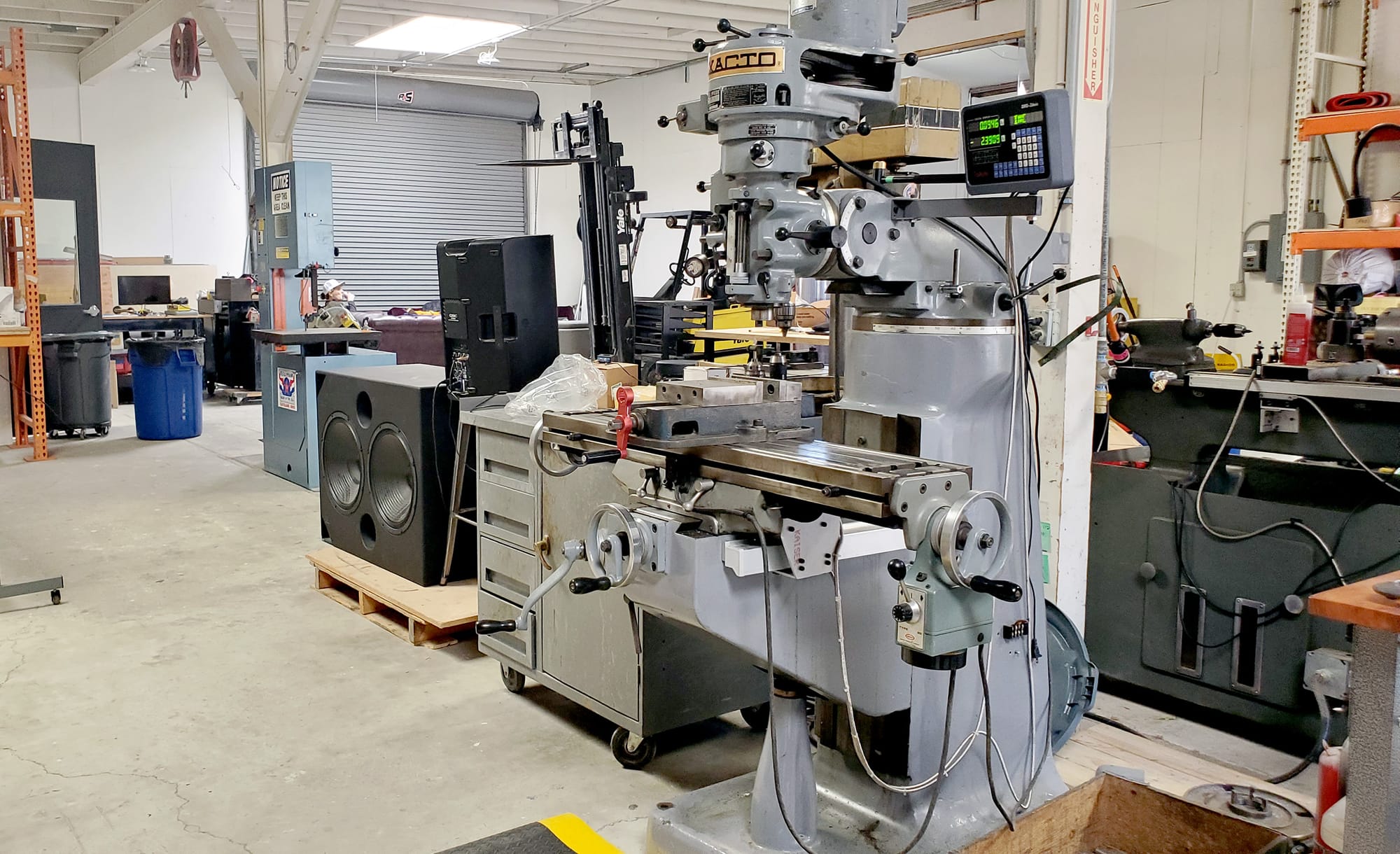
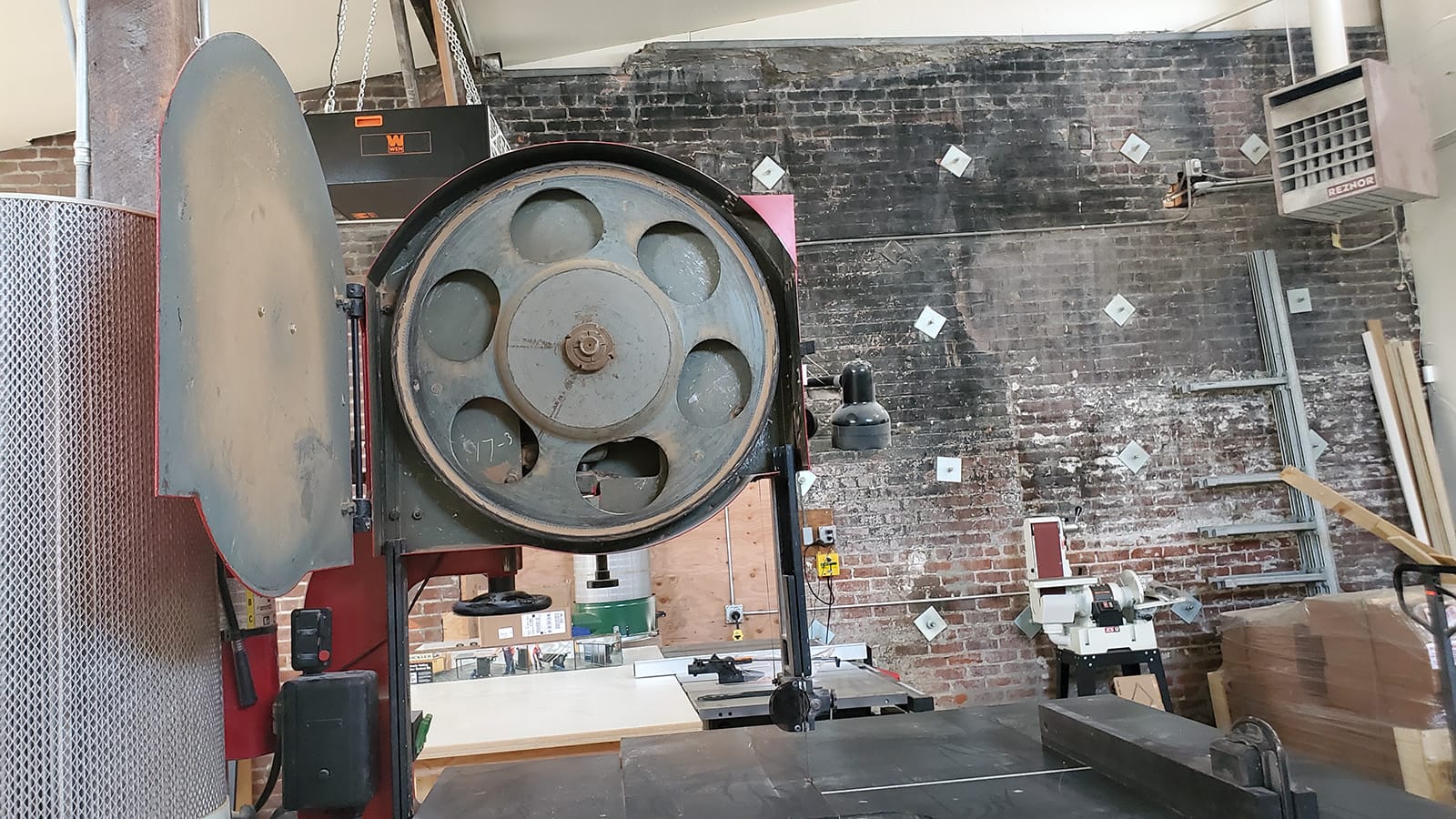
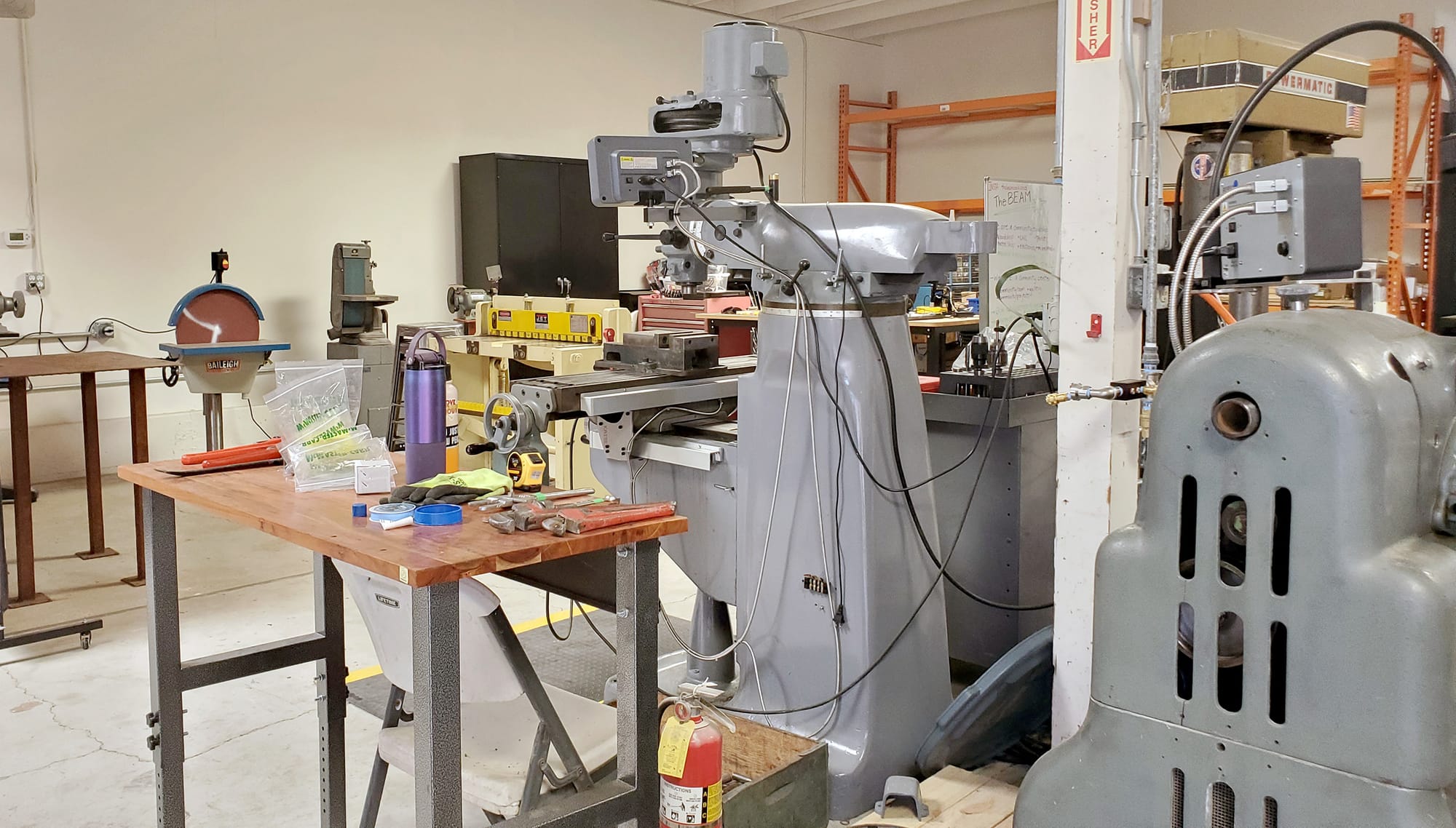
The shop has space and tools for building all sorts of metal and woodworking projects. Photos: Anna L Marks
“None of us have done this before. The invitation to these founding bench holders is that they would be a part of defining what the community is, what it does, and how it works. And we're looking to find a couple more people who would participate in that,” says Truman, who recently graduated from UC Berkeley with a degree in mechanical engineering and plans to continue on to complete his master’s degree.
A third layer of participation revolves around community projects—ambitious, collaborative builds that bring together people of varying skill levels. These projects are designed not only by the core members but also with input from the broader community, creating opportunities for anyone to contribute, whether through specialized expertise or simple hands-on help. The fourth pathway is education: classes and workshops led by both in-house makers and external contributors who want to share their skills.
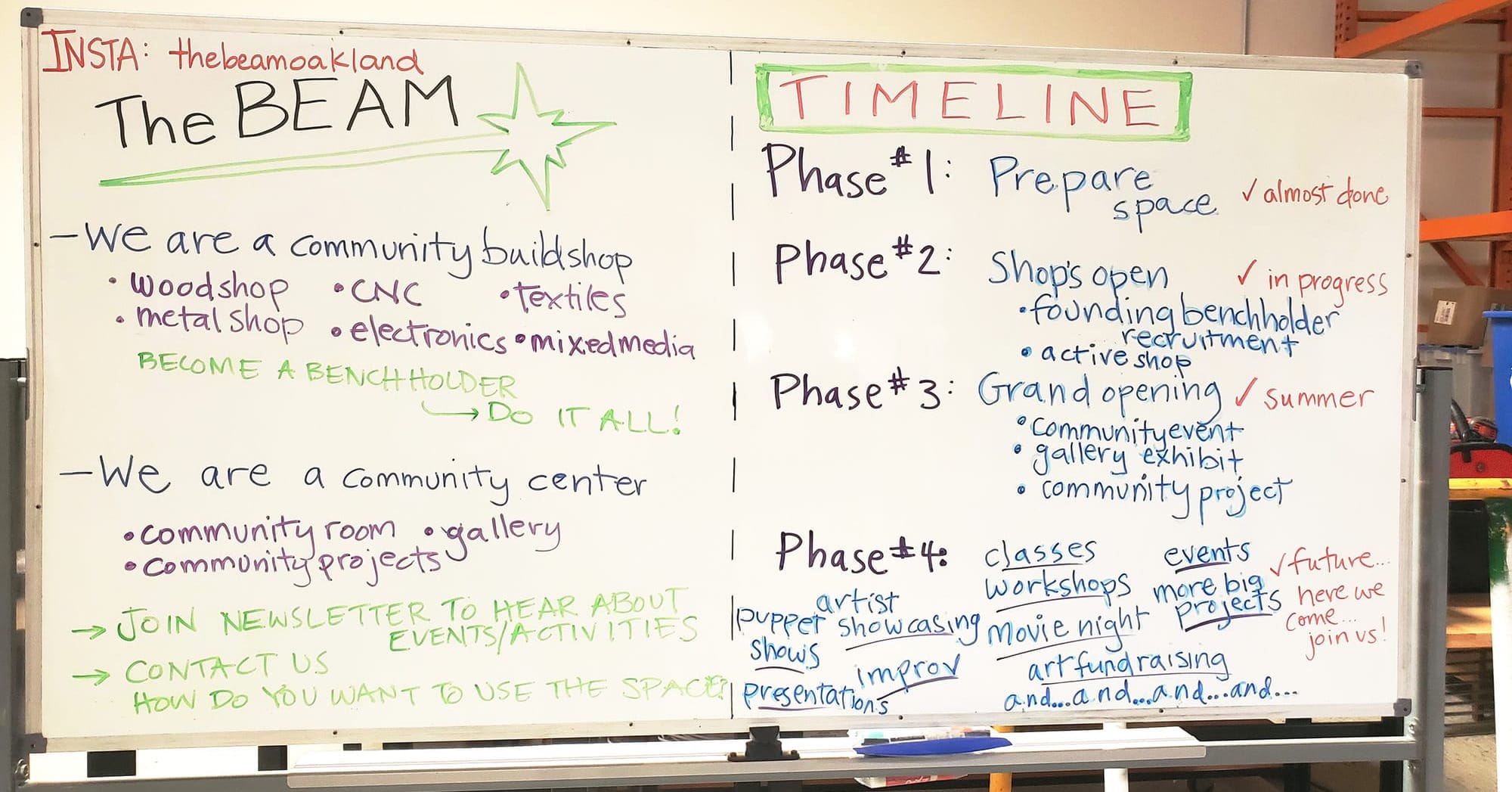
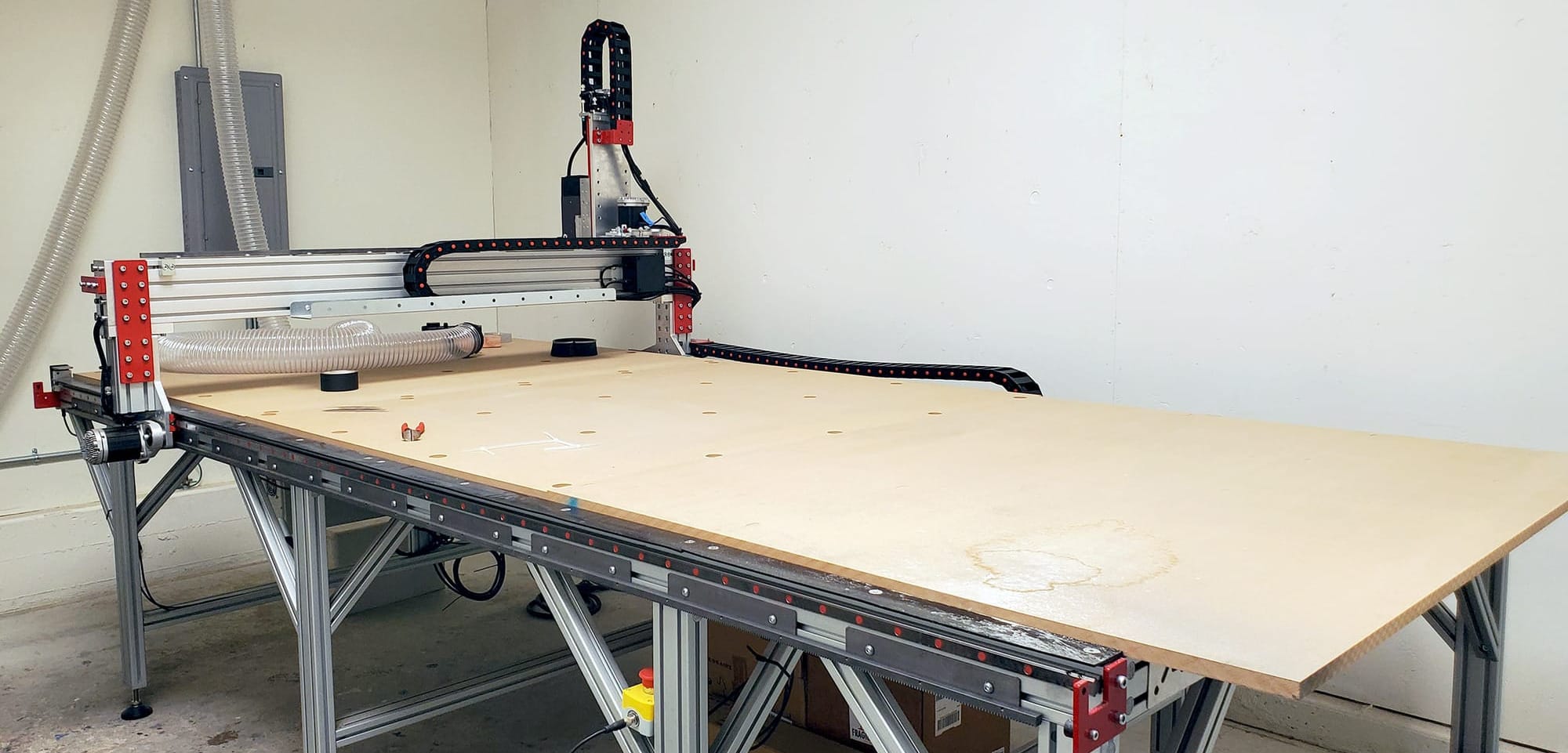
Truman describes how a unique kind of collaboration happens when projects are completed under tight timelines and limited budgets, relying on collective effort. The result is not just finished work, but a powerful sense of connection and accomplishment.
Artist Mauricio Bustos built his “No Justice, No Peace” sign at their old shop and added inspiration to the community. “Collaboration is the unsung hero in creating art and progressing as an artist. Working through issues, learning new techniques, and being able to create larger art than just one person can do are just some of the benefits of being in a space like The BEAM.”
The project also draws inspiration from and connects to other community-focused initiatives like Human Made and Girls Garage, which are dedicated to empowering young makers, particularly girls and underrepresented communities. By providing tools, mentorship, and opportunities to build tangible projects, these organizations help participants develop both technical skills and confidence.
“Being able to work with a CNC (computer numerically controlled) machine or learn some of the welding skills means that someone who is unskilled becomes skilled, and then has a skill that they can take into the marketplace. I'm an economist, so I think of it that way,” says Vandy.
“We have made a variety of projects for Burning Man, including a bicycle-powered fire tornado for which Rockridge resident Leo O’Brian got an honorarium grant; a drivable electric couch car; and the ‘Lovin’ Oven.’ We pulled a ’60s oven around on a little tiny linoleum floor and baked fresh cookies for everyone,” recalls Vandy, who has attended Burning Man since 1998.
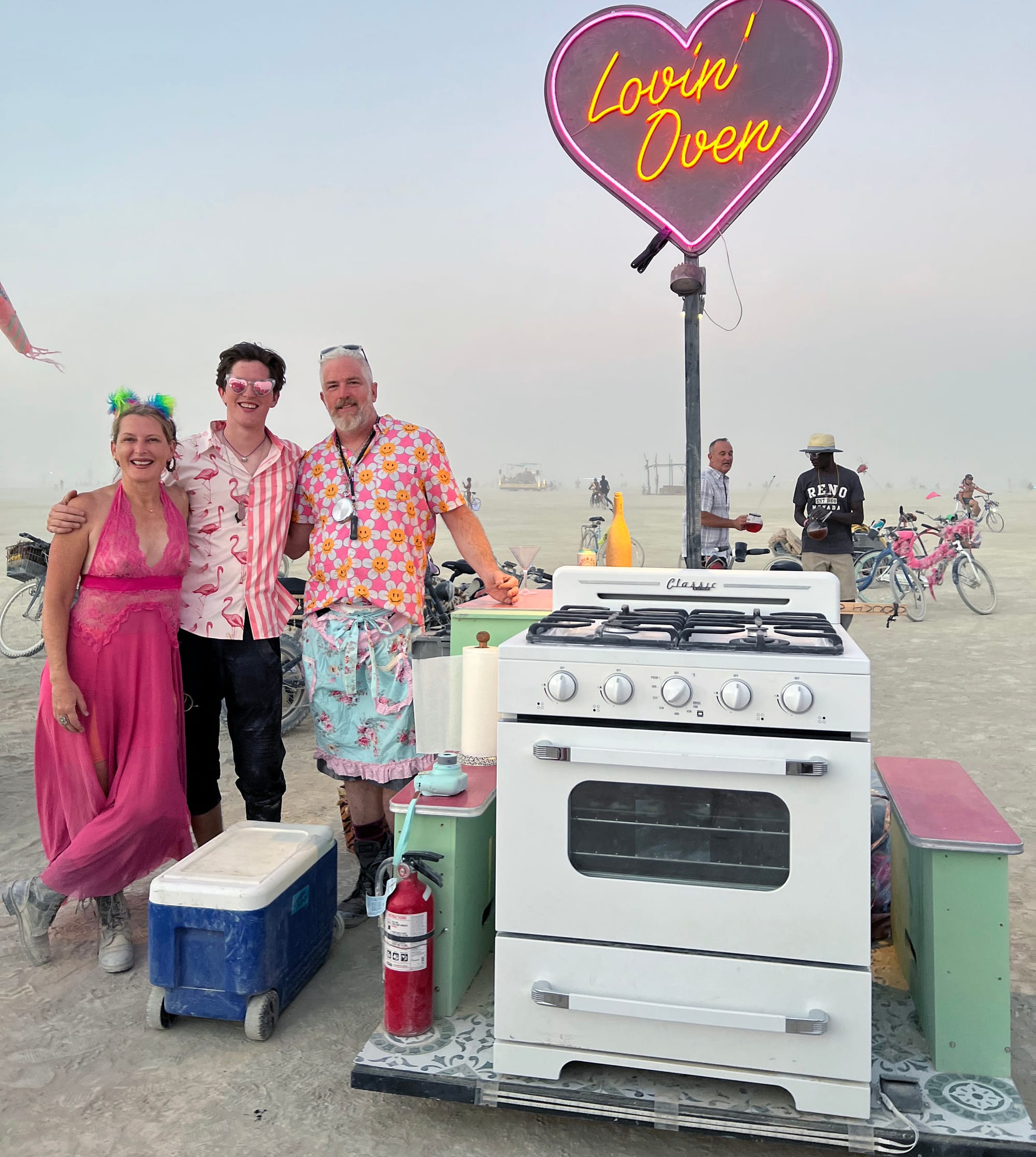
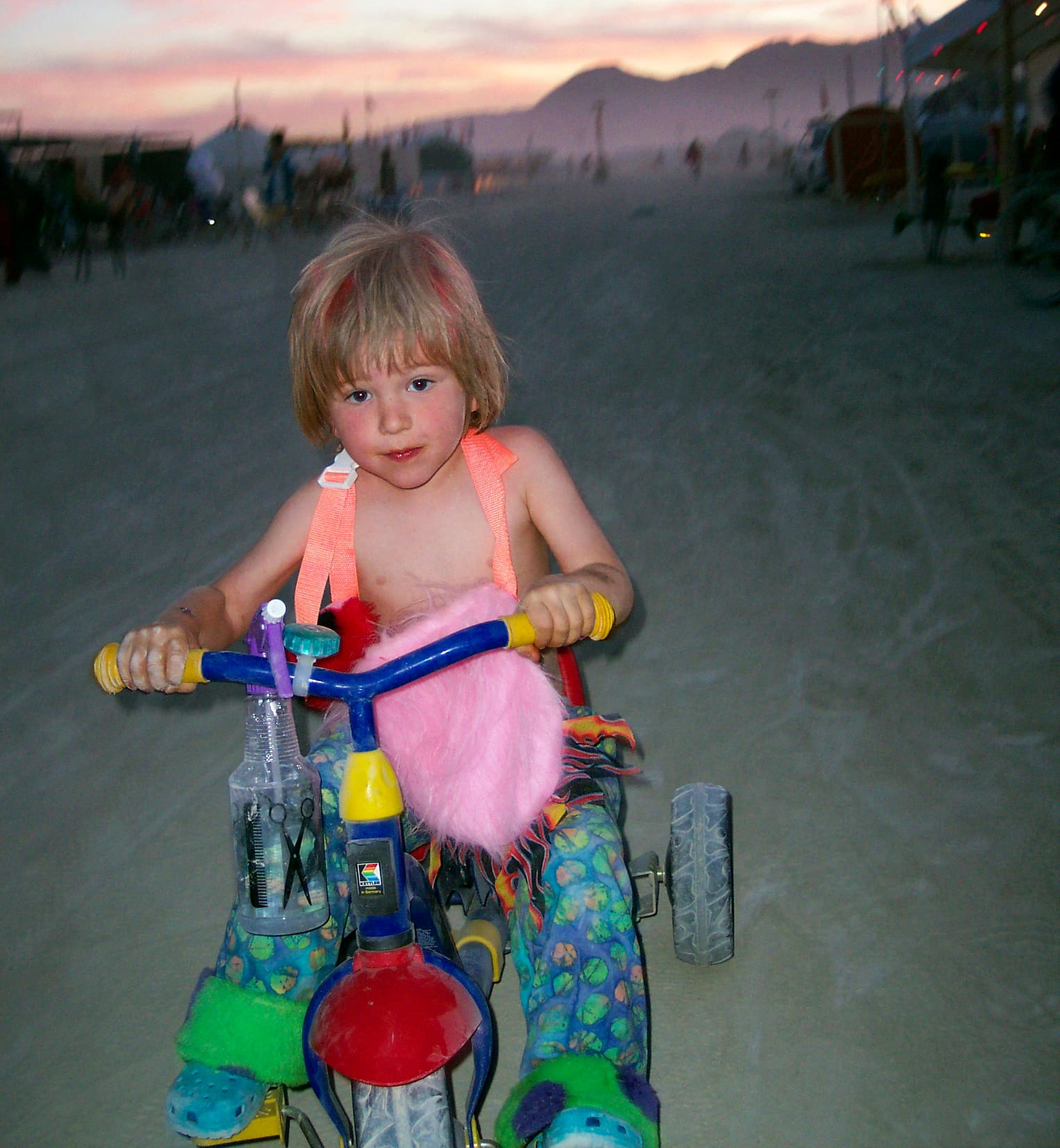
The 'Lovin' Oven provided fresh baked cookies at Burning Man; (right) Truman began attending the event as a child.
While widely celebrated, Burning Man remains inaccessible to many due to cost and accessibility. By contrast, this project seeks to lower the barrier to entry, making that same collaborative energy available locally and continuously. It aligns with a broader movement that has increasingly encouraged year-round, community-based creativity through regional events and “micro-burns.”
For Vandy, the motivation is both practical and personal: why limit this kind of engagement to a single annual event when it can exist all year? “We wanted to make a space where that culture of uplifting each other, supporting each other, and collaborating on projects was happening and make that available to everybody.”
The building itself plays a significant role in that vision. Originally constructed in the 1920s as a commercial laundromat, it has since housed various businesses before sitting vacant. The renovation process has been a learning experience in its own right, highlighting the complexity and unpredictability of construction. Every step has required adaptability and persistence.
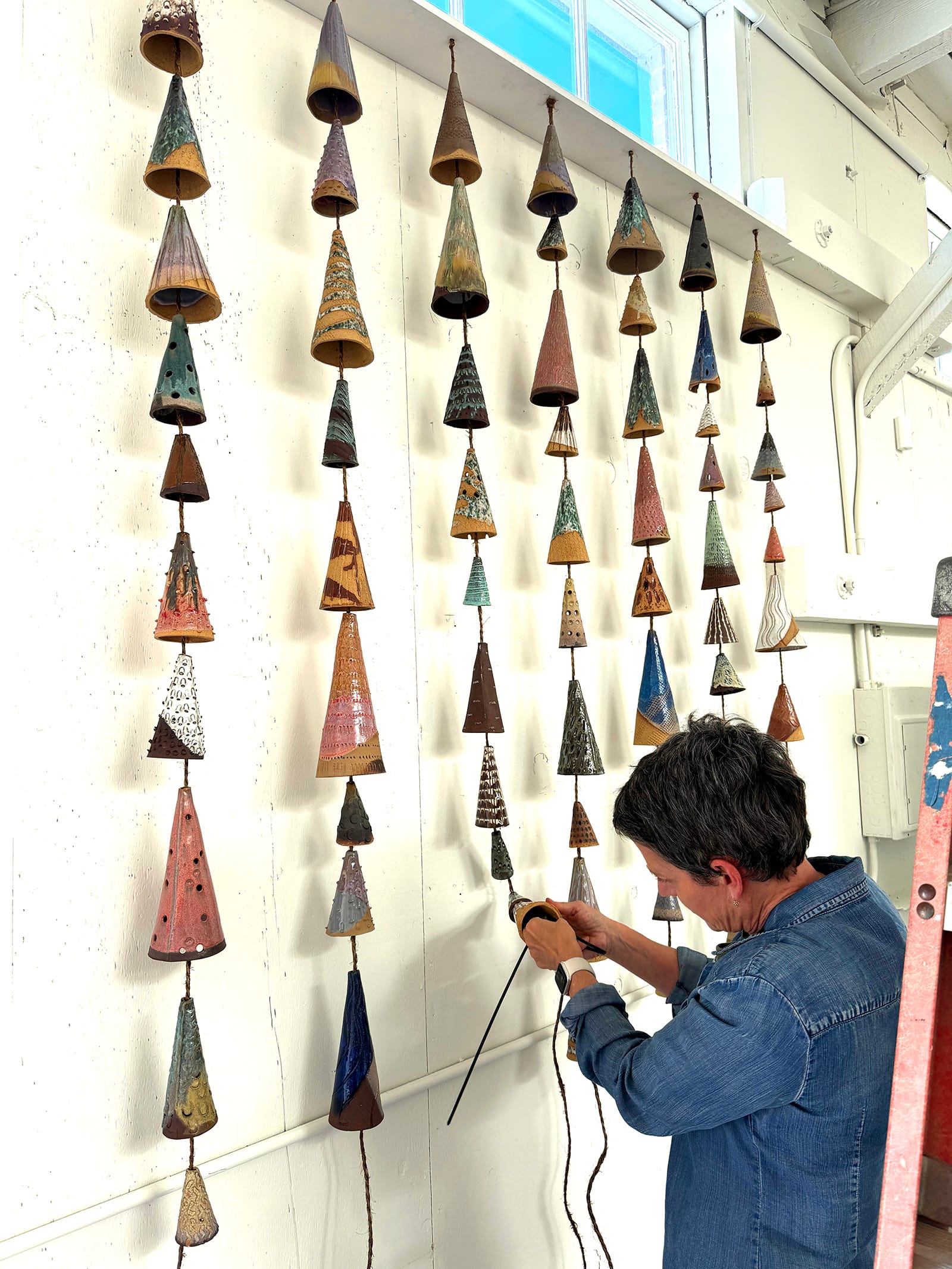
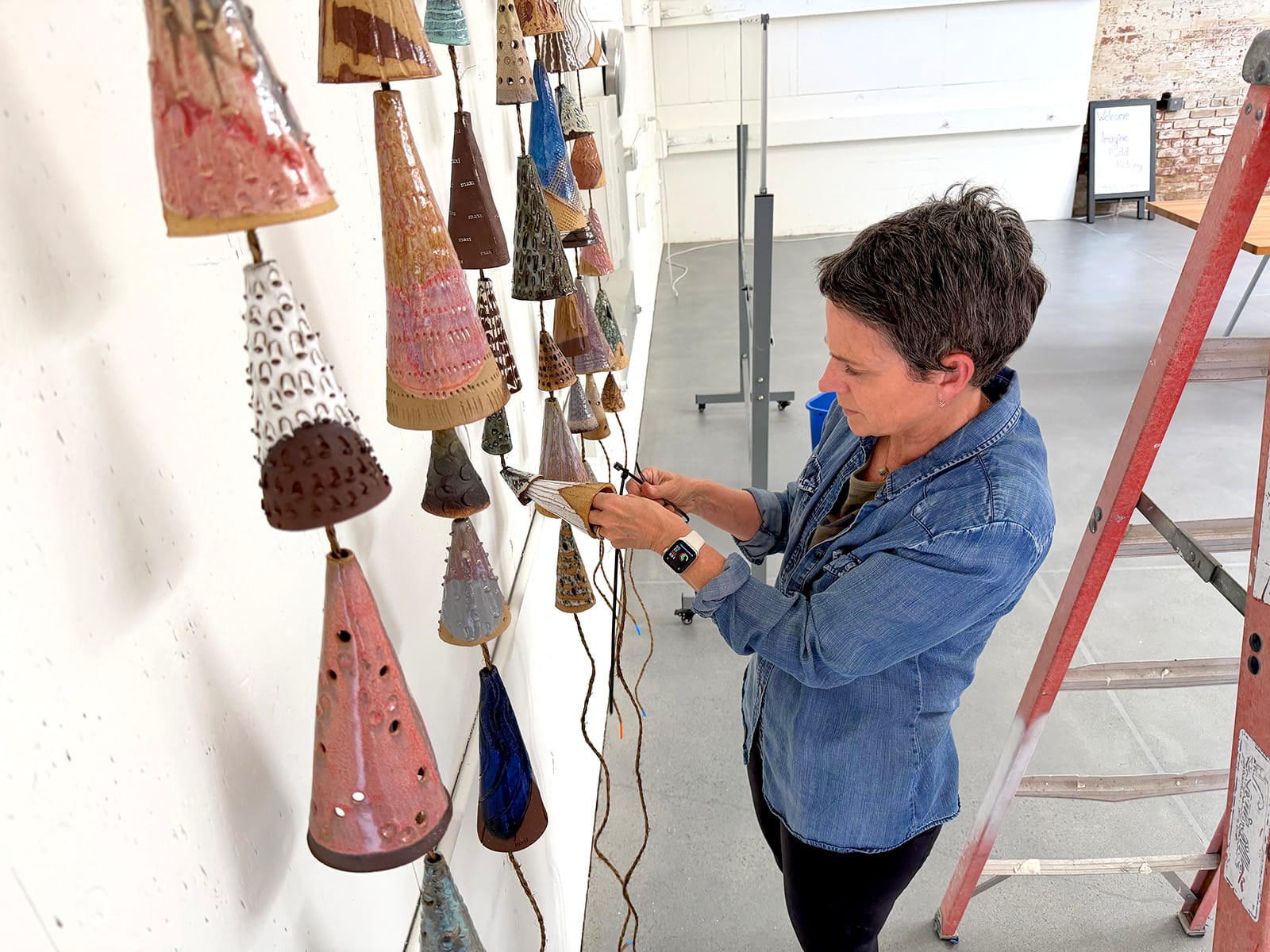
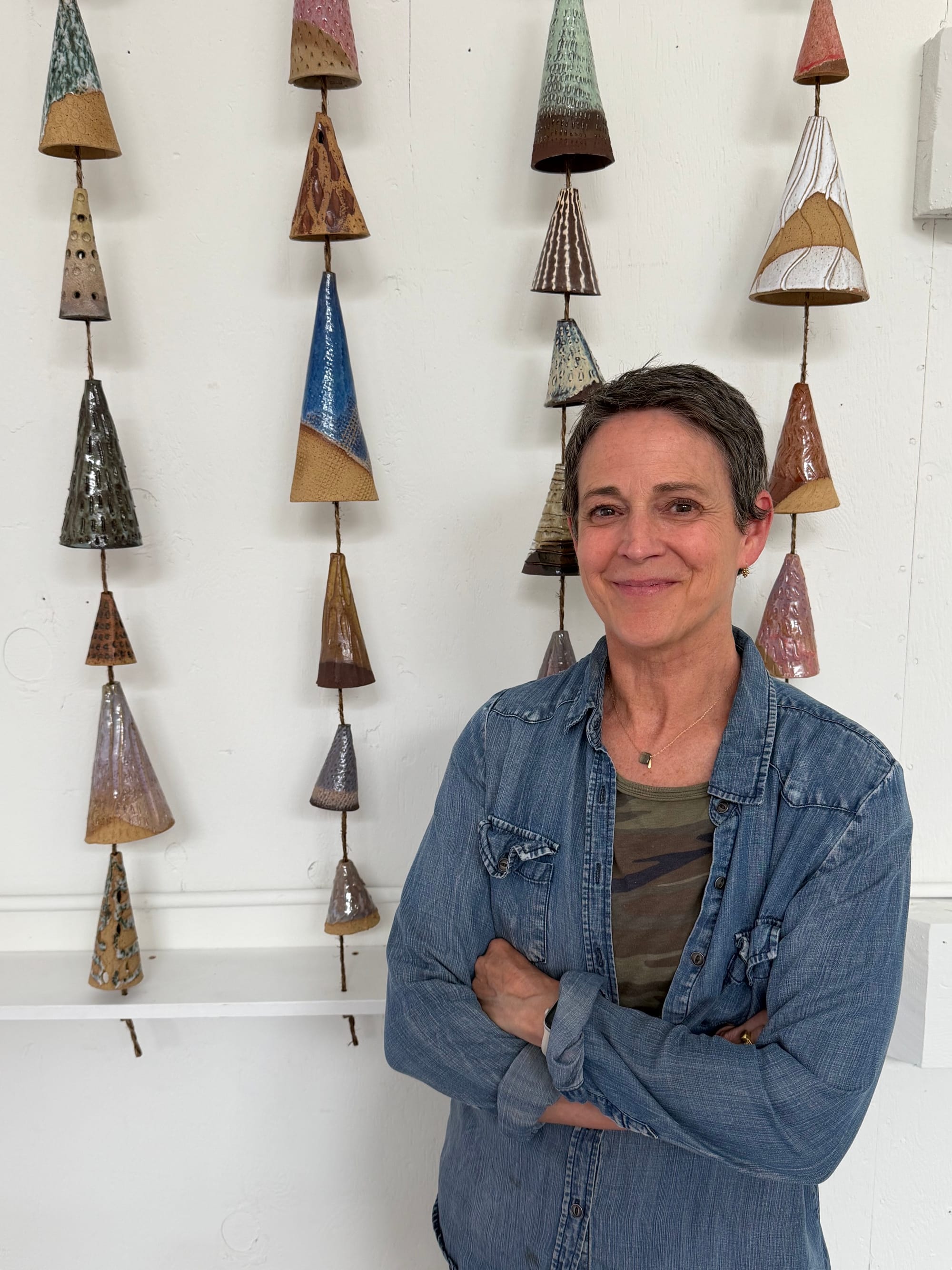
”This new build shop offers a timely new ‘third space’ for creative people,” says team member Maxi Lilley. Photos: Vandy Howell
“It's been a lot of hard work getting The BEAM off the ground, but also a lot of joy. This new build shop offers a timely new ‘third space’ for creative people in the East Bay. We’re entering an age where there is more emphasis on what we humans can do with our hands, heads, and hearts versus the machine — The BEAM is the perfect petri dish for this new world,” says founding member Maxi Lilley, a real estate broker, artist, and Rockridge resident involved with the project.
The roots of the collaboration stretch back more than two decades. Vandy and Maxi first met in 2005 while participating in a nanny share with their sons, Truman and Ryle, both of whom are now graduating from college. That long-standing sense of friendship and community has become a foundational part of The BEAM’s culture and vision.
That spirit of connection extends beyond building and fabrication into intentional community design. Lauren Hauser, who has lived on Bryant Street since 2021, serves as a relationship coach and is also involved with The BEAM. “My role on the leadership team focuses on community engagement and experience design. I’ve helped shape our open houses, activate partner communities, and design our first curated event series, the Connection Lab, a monthly circle I co-facilitate to spark meaningful human connection in alignment with our values.”
Looking ahead, the team plans to roll out broader access in stages. As more members join and the infrastructure stabilizes, classes will begin, community projects will launch, and the space will host events ranging from movie nights to performances, workshops, and exhibitions. The large, versatile community room—equipped with advanced audiovisual capabilities—will serve as a focal point for these activities.
Ultimately, the goal is both simple and ambitious: to create a place where people can come together to build, learn, and connect. Whether someone arrives with a fully formed project, a desire to teach, or just a curiosity to try something new, the invitation is the same. This is a space for making—not just objects, but relationships, skills, and a shared sense of possibility.


