


It was in the early 1990s, Steve Costa was living on Avon, a couple of blocks from the DMV, when he read a study put out by the city that showed Rockridge was among the districts that lacked adequate open space and parks. Interested in doing something about this, Costa got together with his friend and neighbor, architect Tom Dolan, and Theresa Nelson, both of whom also wanted to address the local need for park space.
Nelson had previously worked with a group of parents to help renovate the play structure at Colby Park for very young children. Now, she wanted something closer to home and more appropriate for her daughter as she grew older, and who wanted swings to play on. The core group began organizing and searching for a suitable location—and shortly thereafter, named the newly-formed group FROG, an acronym for Friends of the Rockridge-Temescal Greenbelt, with Costa serving as its first chair.
Finding a site was challenging. There were few options available, and the group considered the DMV’s rarely used back parking lot. However, that proposal faced strong opposition from nearby residents, including the DMV Neighbors Association and the Colombo Club, which used the lot for free event parking. Despite the opposition, Nelson refused to give up and urged the group to keep going.
For roughly two years, the group pursued possible use of the site while exploring alternatives without much luck: a space beside the library, a triangle on Upper Rockridge Boulevard…little was available.
Peter Hollingsworth and Tom Dolan had been eyeing a poorly maintained, two-block right-of-way created when the Alameda County Flood Control District channeled the Temescal Creek, resulting in a pathway overgrown with weeds and lined with a chain link fence. Where others saw a neglected corridor, they saw the potential for neighborhood open space.
“Why don’t we see whether we can work with the City and the flood control district,” Costa recalled suggesting, “and open up this right-of-way into a linear greenbelt?”
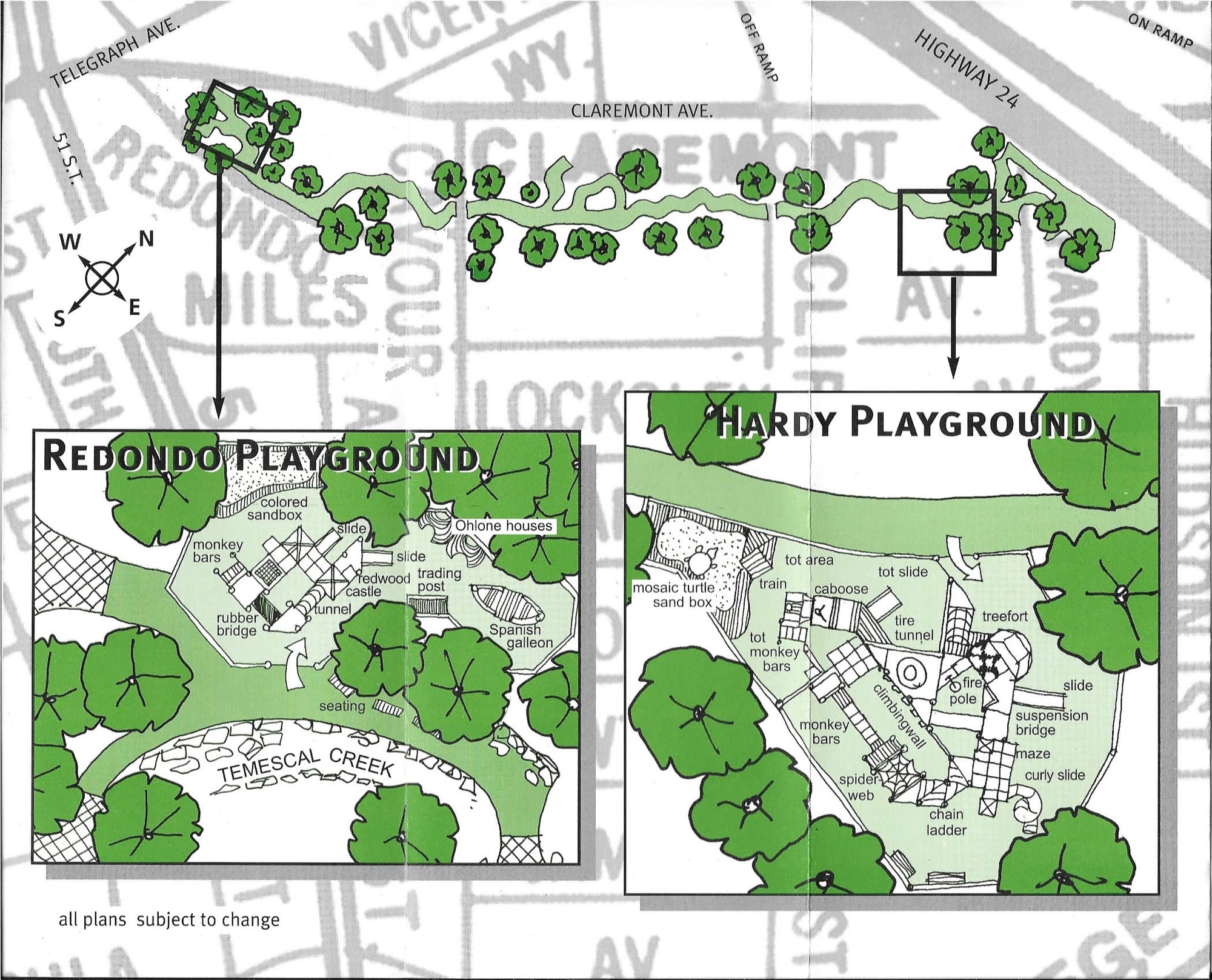
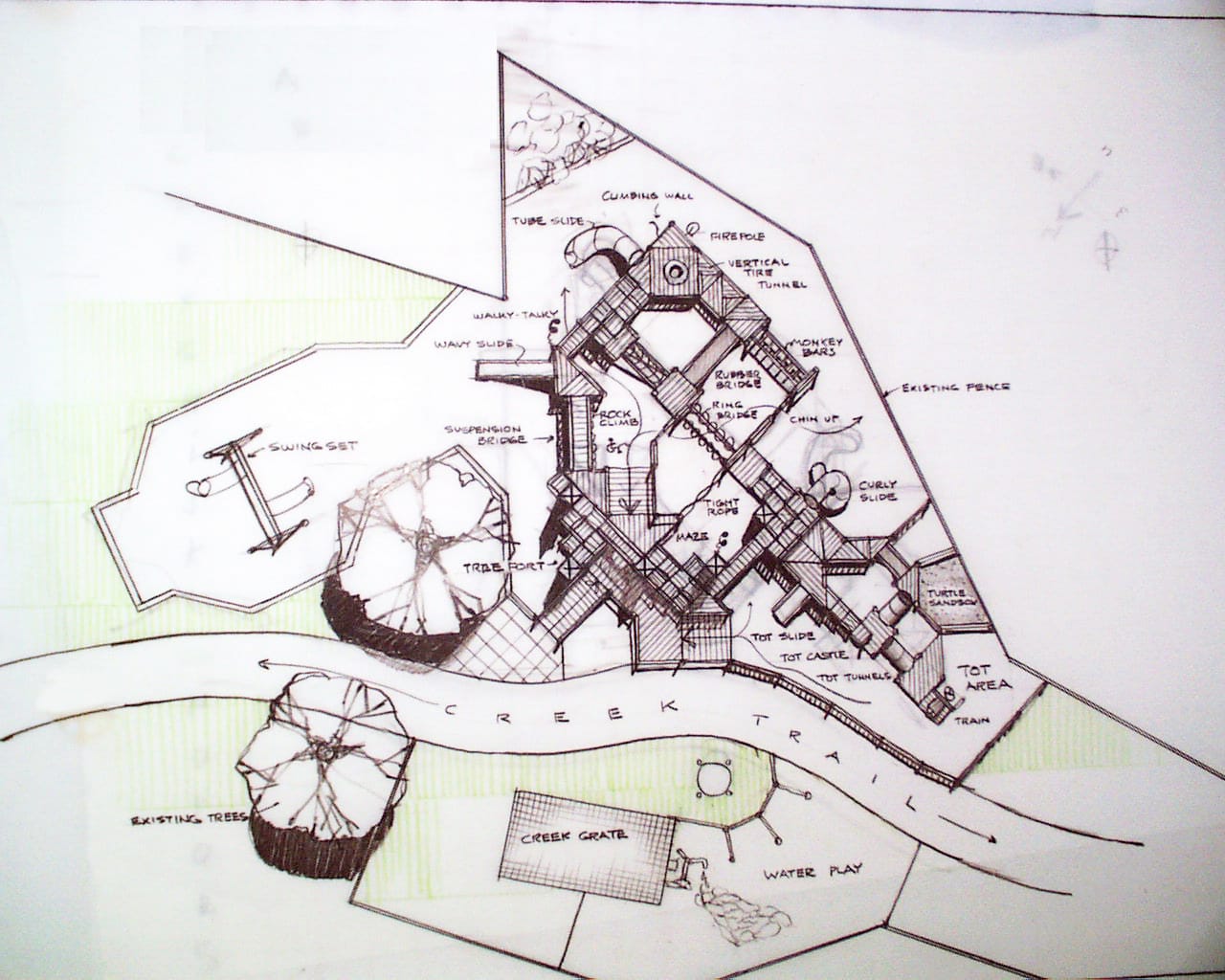
From concept to conception, once the location was finally agreed upon, the design process began.
The Park the Community Built
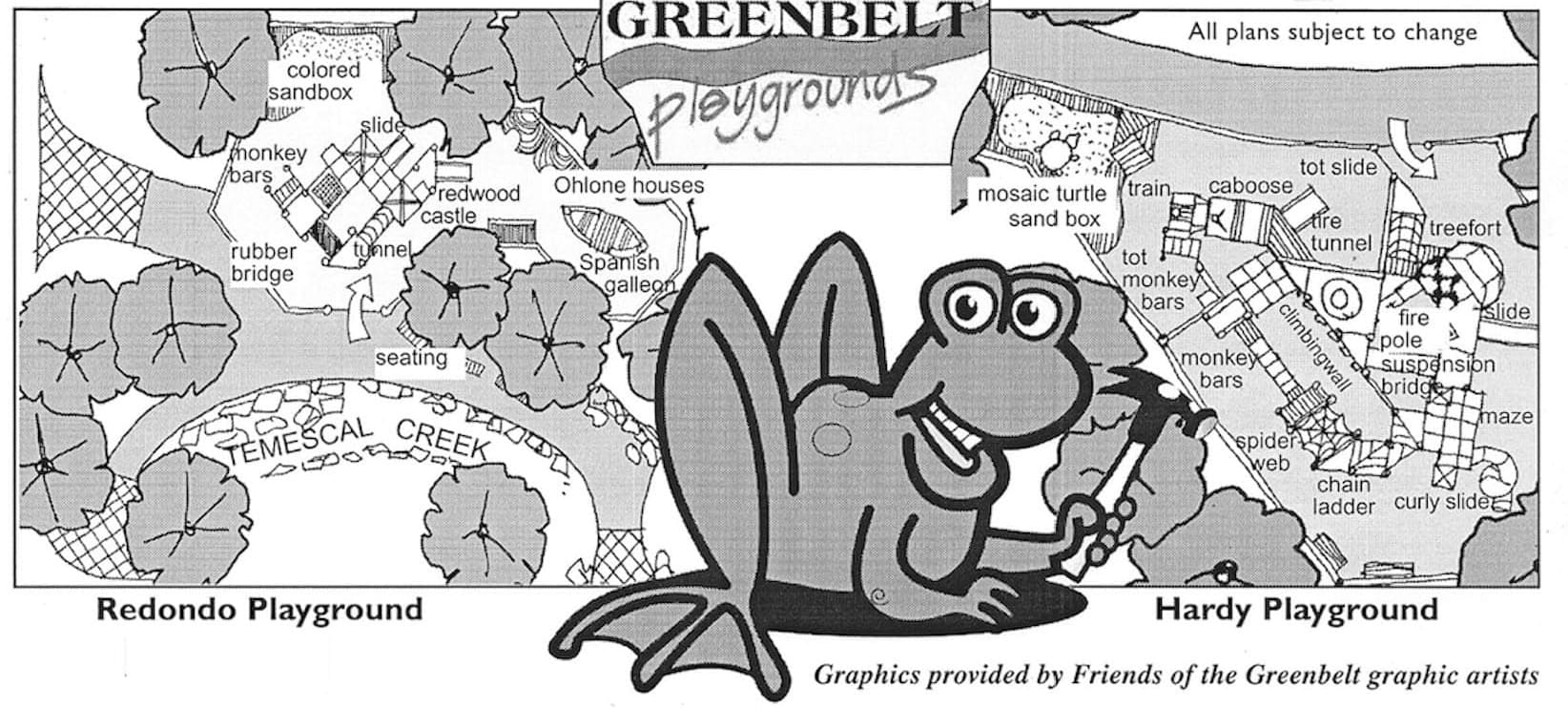
The concept won approval from all sides, and planning began. Committees were formed, and Robert Leathers & Associates, based in Ithaca, New York, was chosen to work with the community on the design and construction of what was now two playgrounds; with the smaller playground at Redondo serving children ages 5 and younger. By following the creek, the design was able to incorporate a water feature throughout the length of the greenbelt.
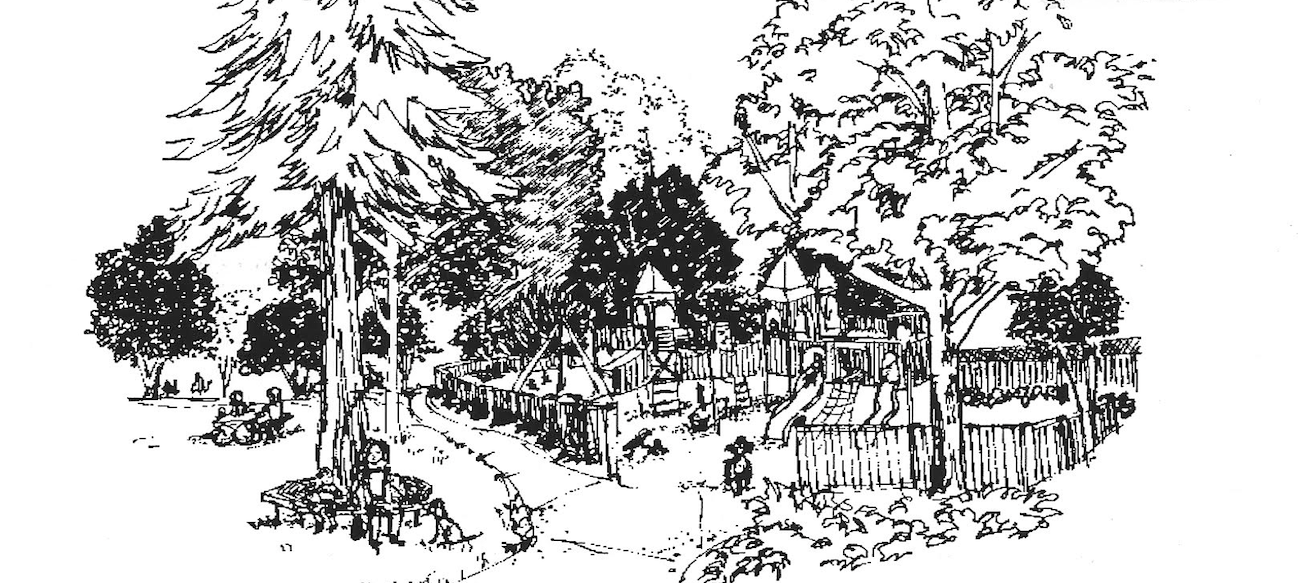
To secure approvals and finalize plans, the committee worked closely with several agencies, including the City of Oakland, Caltrans, and the Alameda County Flood Control District, which owned various parts of the greenbelt. It also worked with the East Bay Regional Park District, which controls the flow of water into the creek from Lake Temescal (the district is currently in conversation to keep the stream flowing year-round).
Neighborhood Volunteer Recruitment Commences
In 2001, the group brought students together from around the neighborhood to Peralta Elementary School to help with the design process. Designer John Dean, of Robert Leathers and Associates, hosted a “Design Day,” with many of the student suggestions incorporated into the final design—including the train modeled after the old Shafter Avenue trolley.
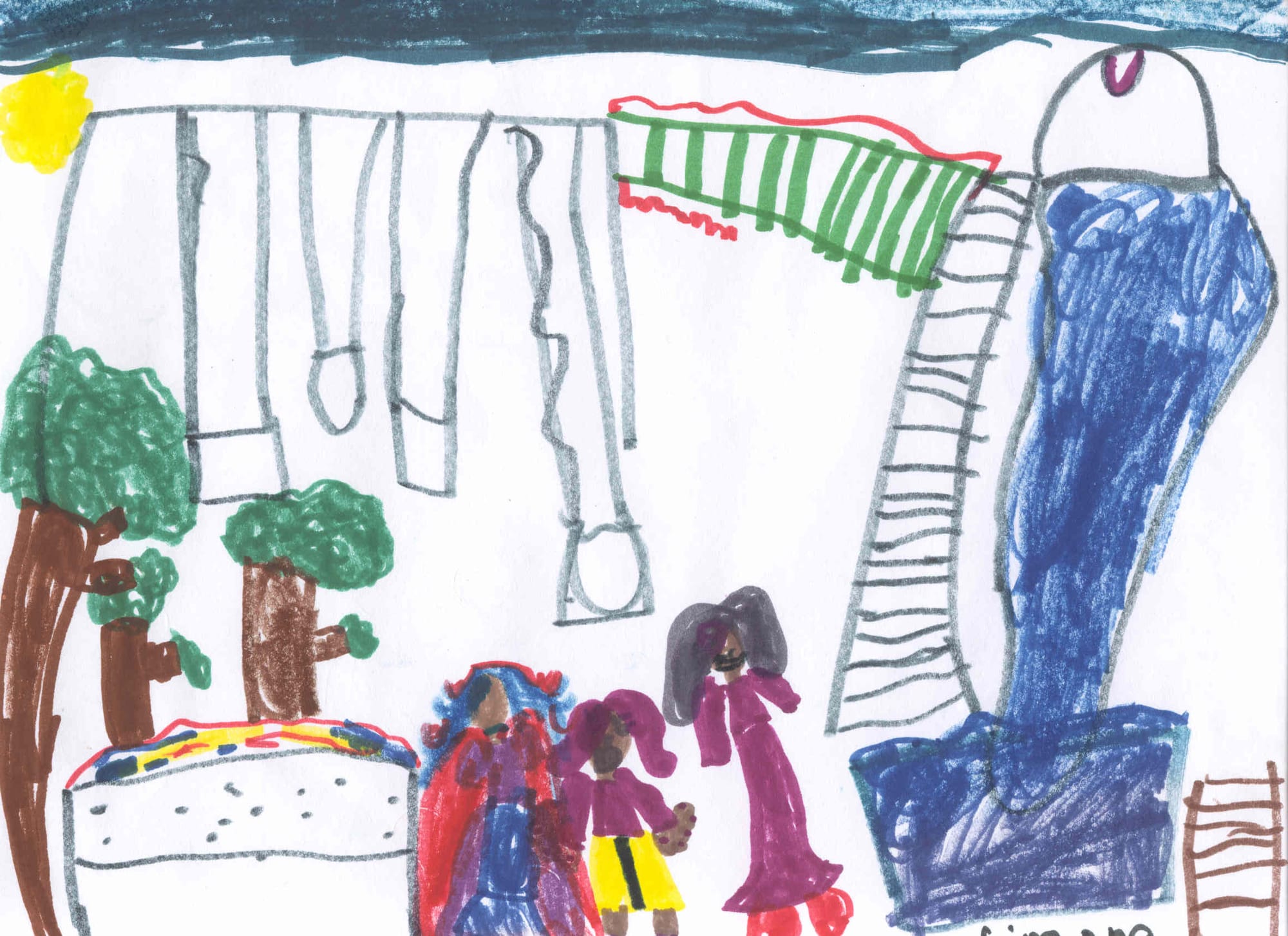
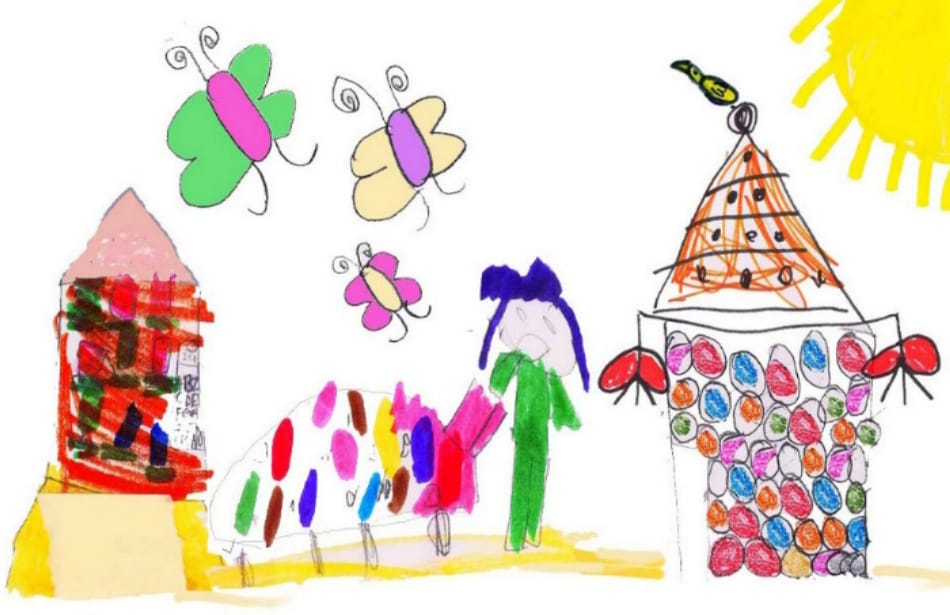
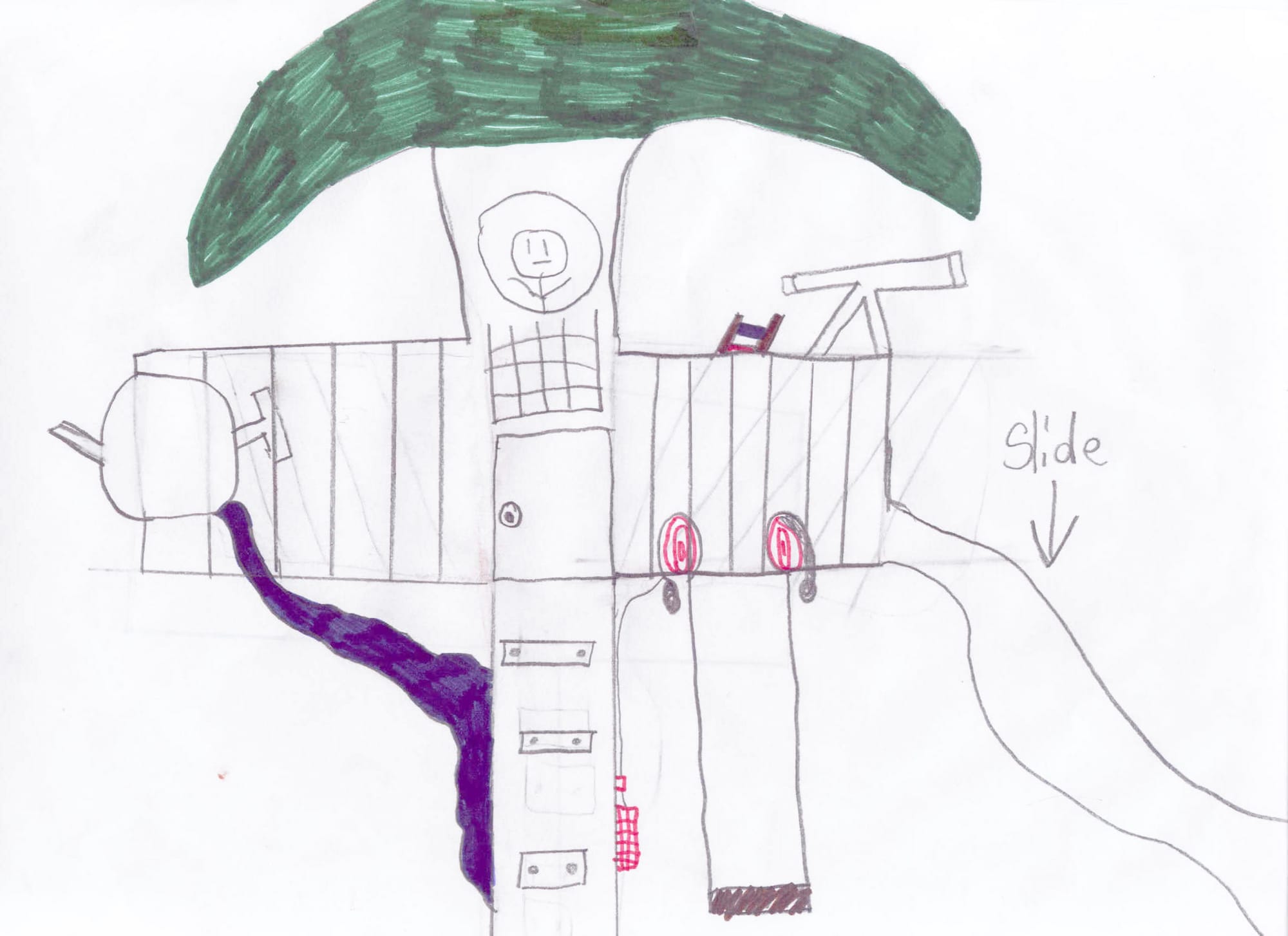
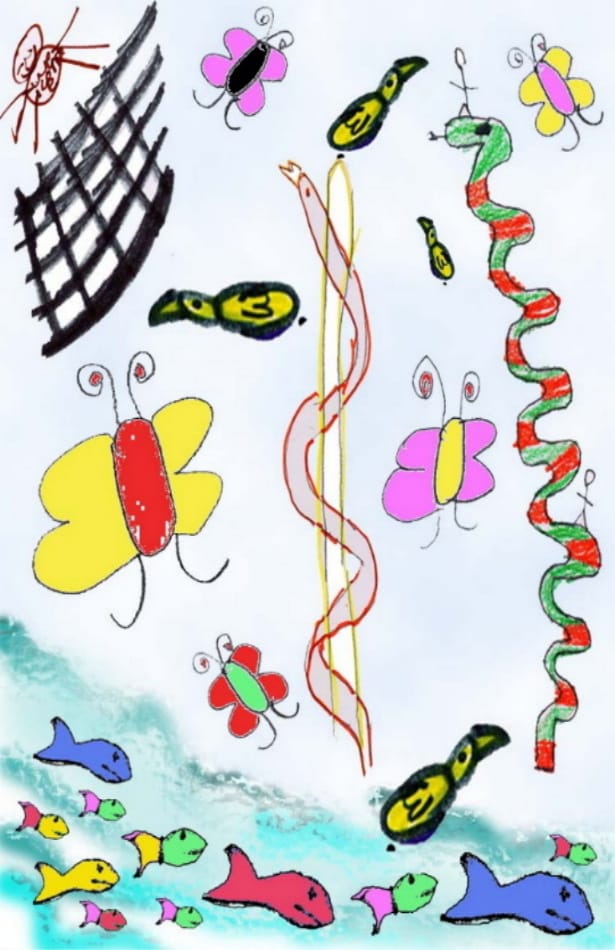
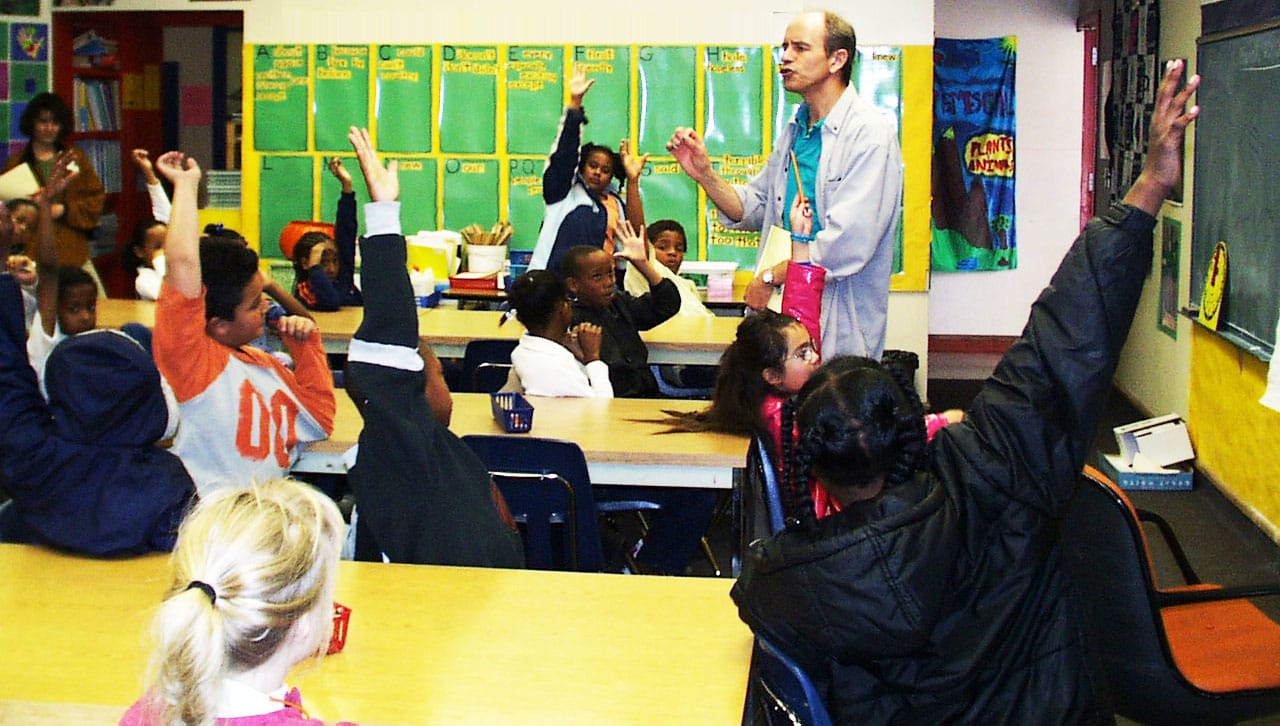
“The kids did drawings of what they wanted, and we ended up framing them, and Bill Chung gave us wall space at the Rockridge Café. We had a little auction fundraiser,” recalls Nelson, who led the park’s fundraising committee at the time. “It was a real embodiment of the power of volunteerism and community shared vision.”
The campaign was led by the Parks Committee of the Rockridge Community Planning Council (chaired by Nelson) with Friends of Oakland Parks & Recreation serving as contract and fiscal agent. The $1.2 million project, which included the half-mile-long greenbelt and two play structures, drew funding from both public sources as well as community donations.
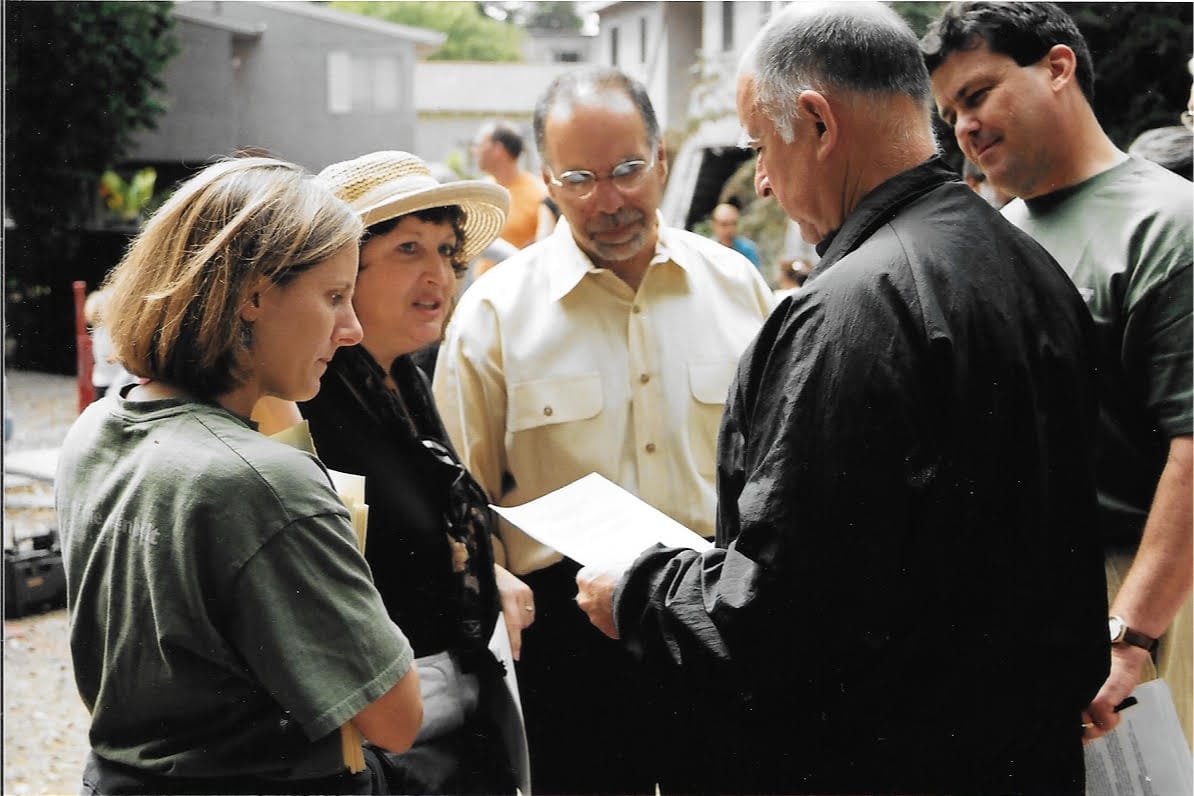
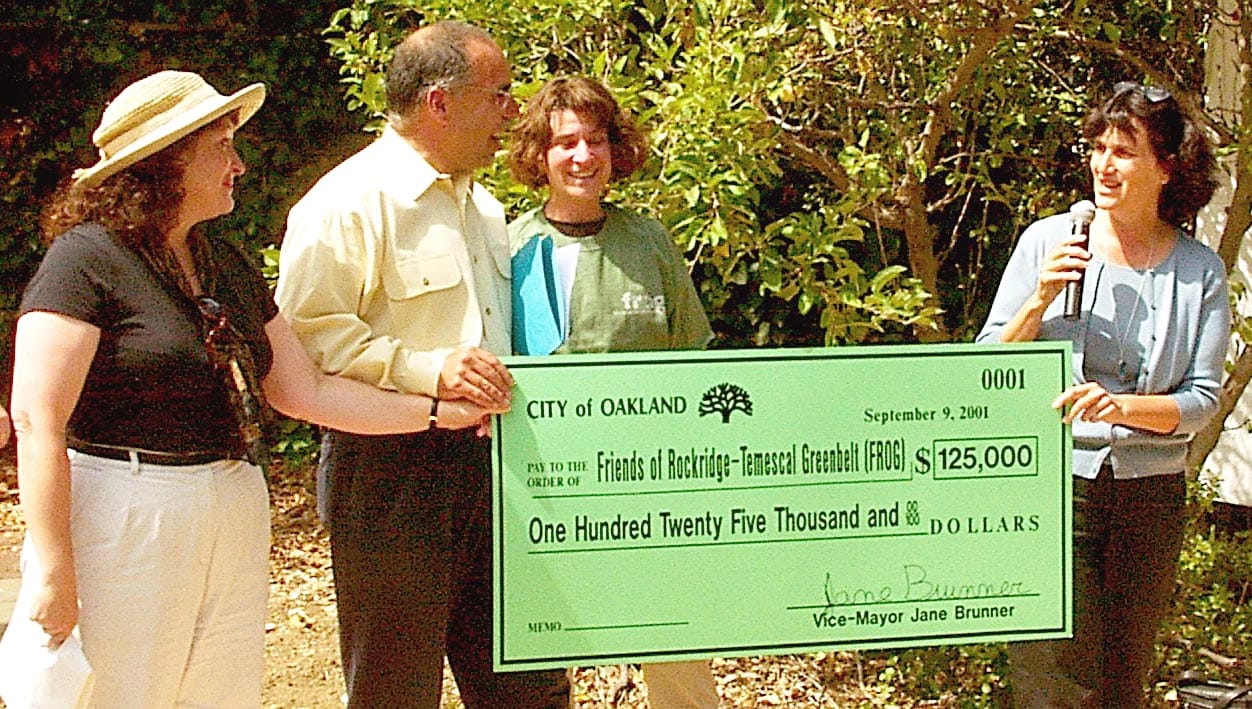
The community truly came together to support the new park—raising nearly $200,000 in philanthropic contributions. District 1 Councilmember Jane Brunner contributed her entire annual allocation of Paygo funds in 2001, as did Councilmember Ignacio de la Fuente (who subsequently lost his bid for mayor to Jerry Brown).
The Big Build: Phase One
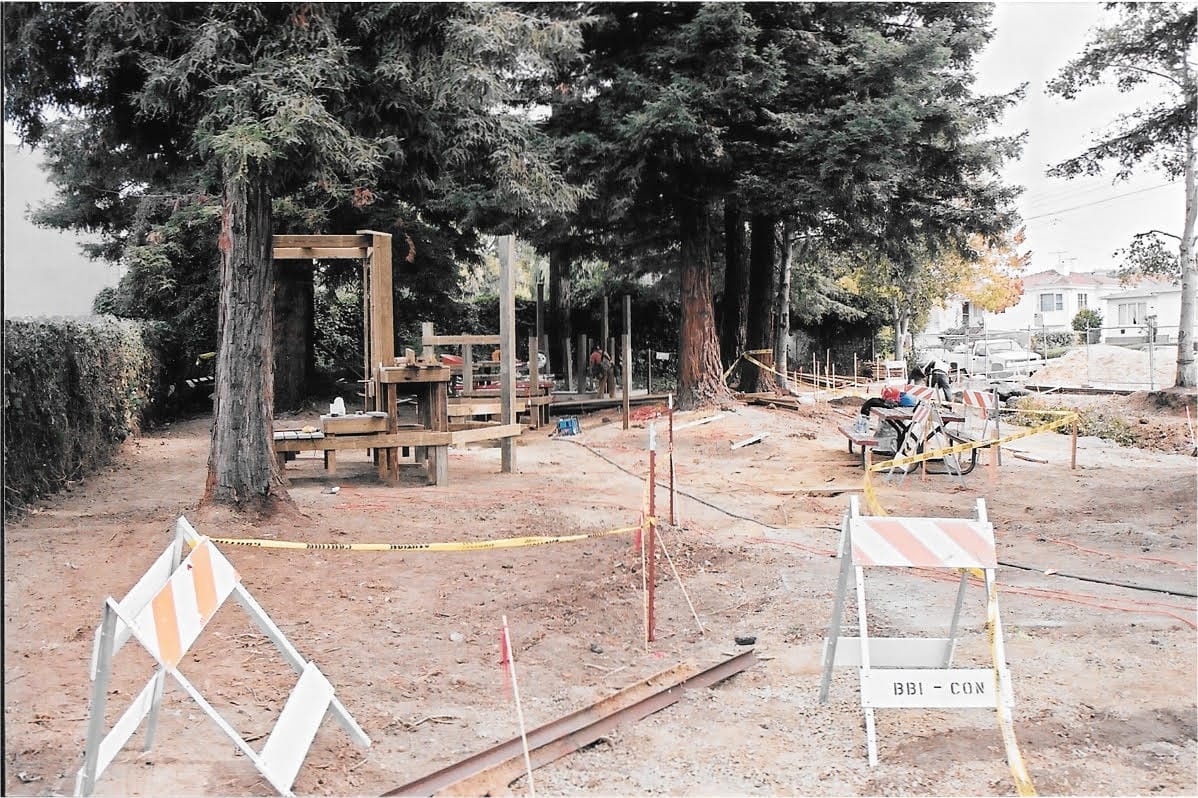
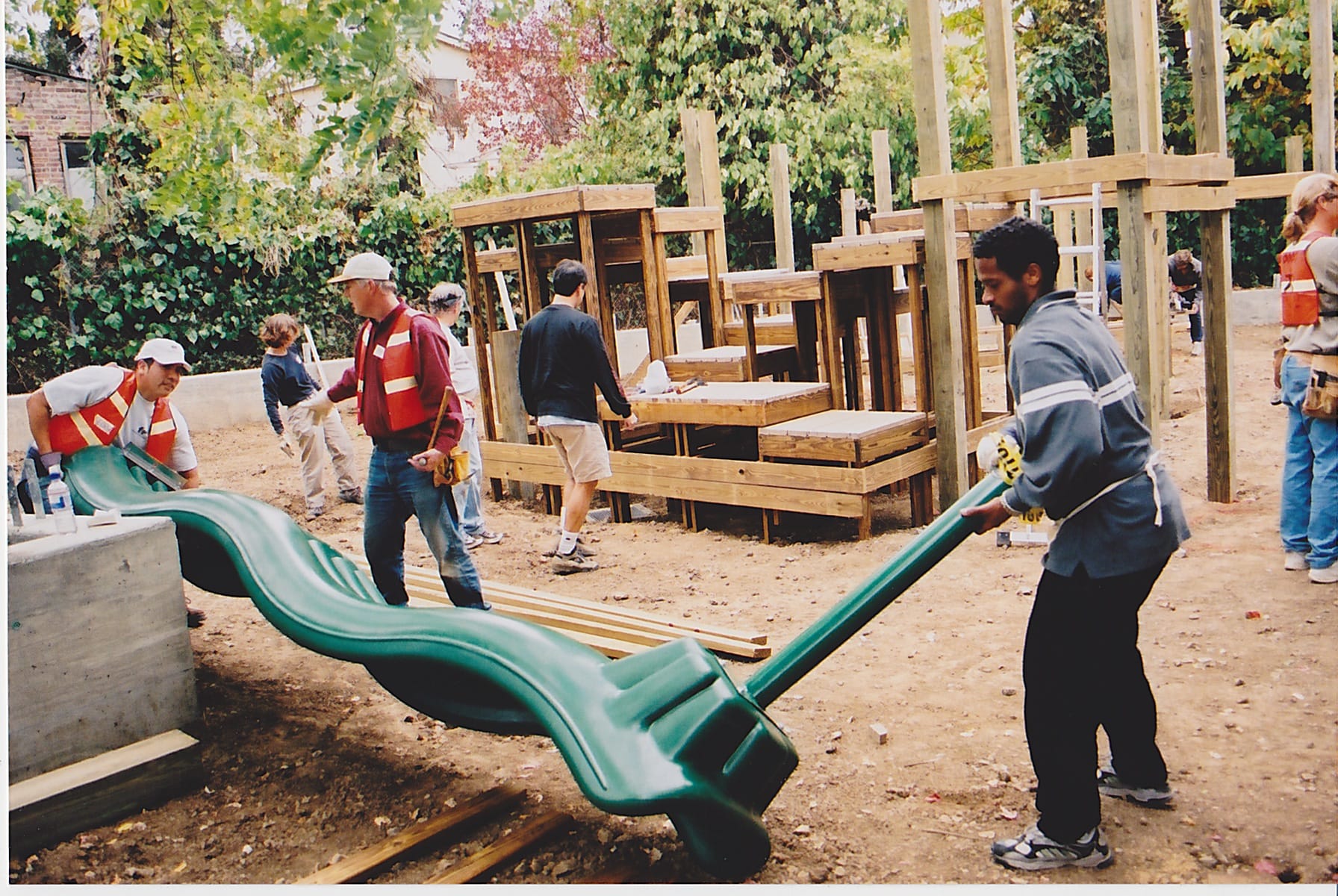
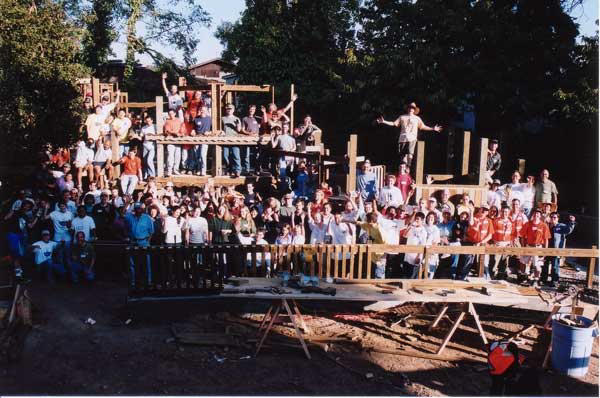
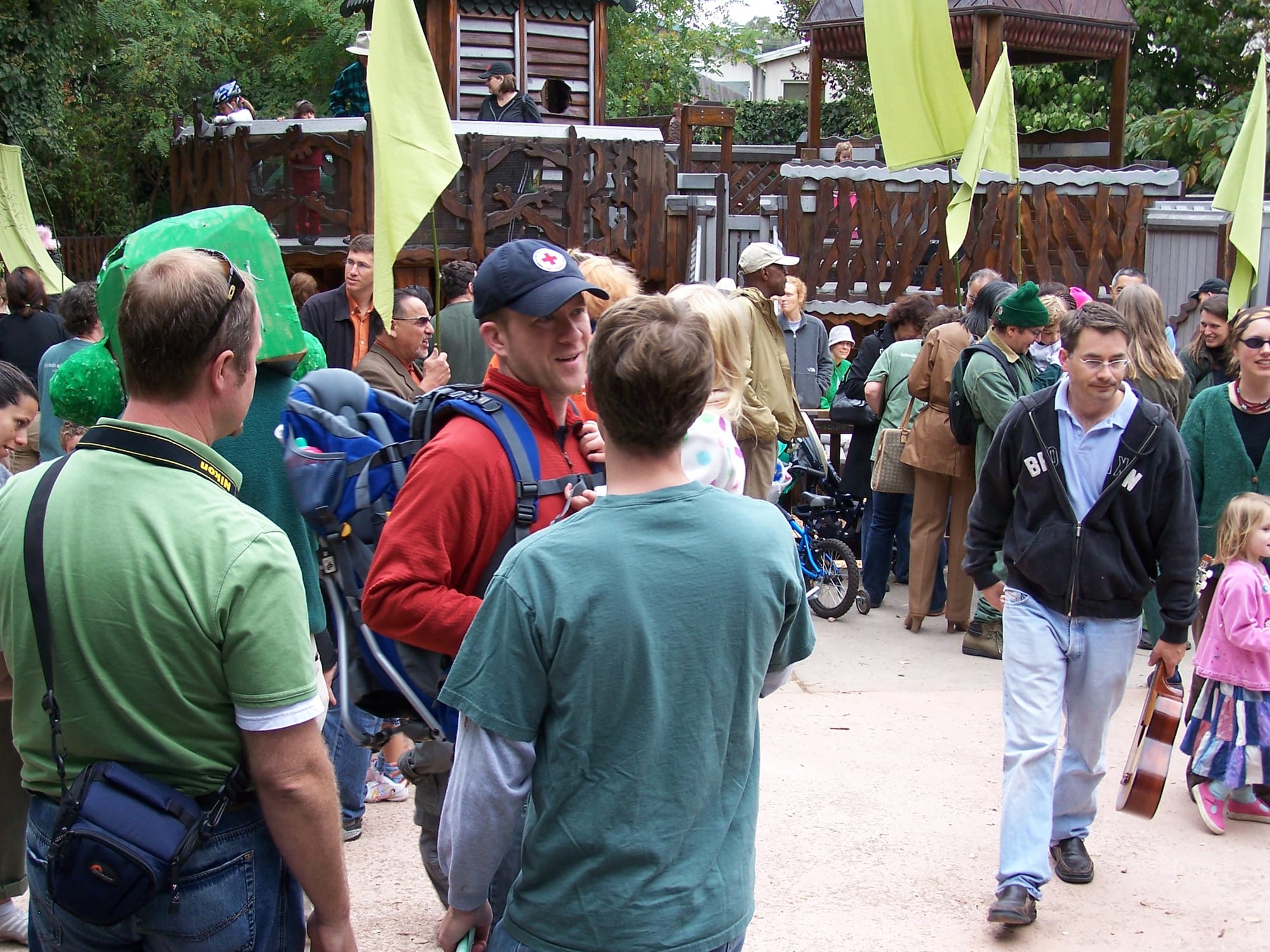
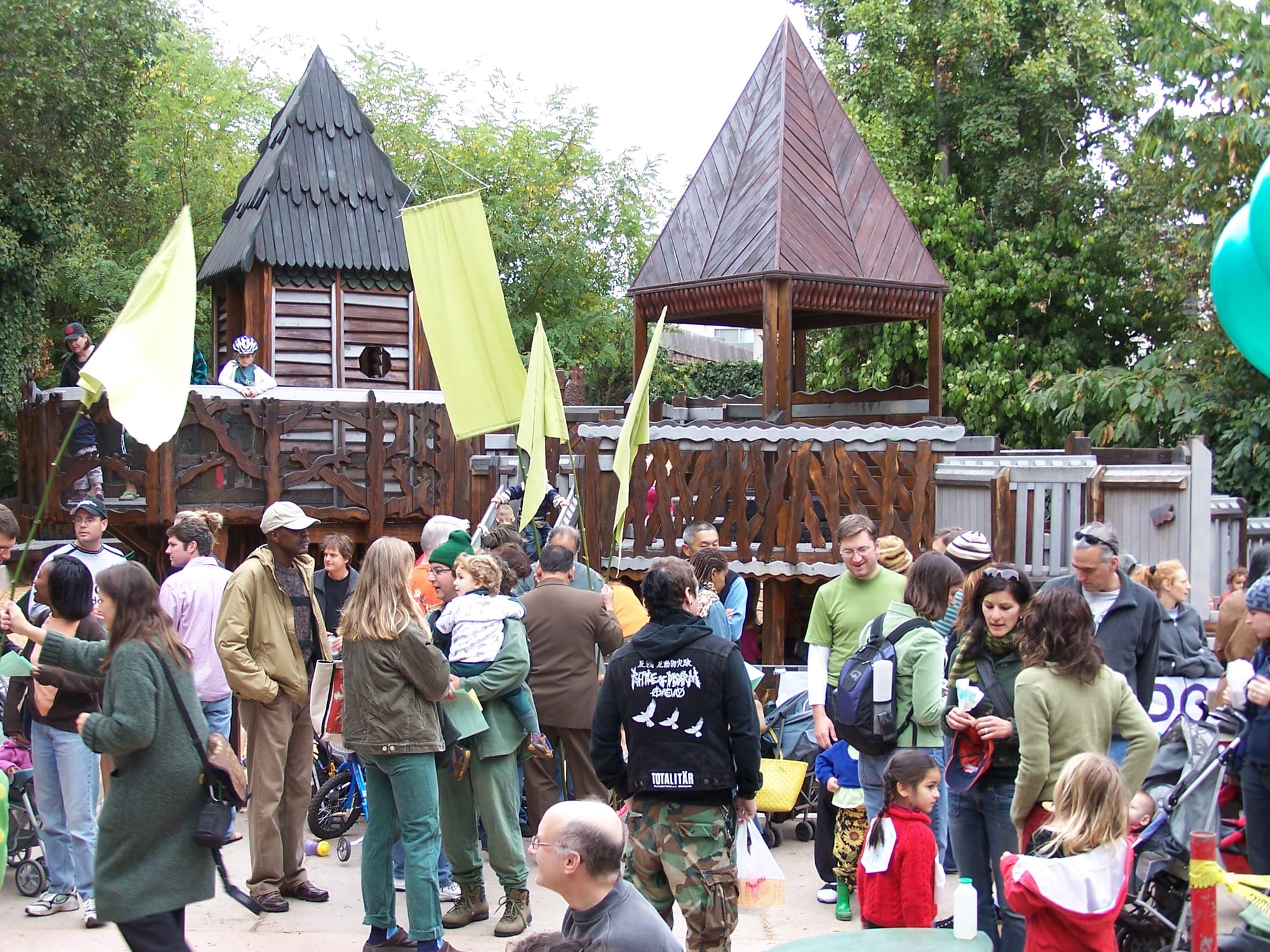
With funding and design plans secured, more than 1,300 volunteers participated in the 10-day Big Build beginning October 3, 2001. Individuals and local businesses supported the effort by providing food for volunteers, space for childcare, and more than 1,000 loaned tools.
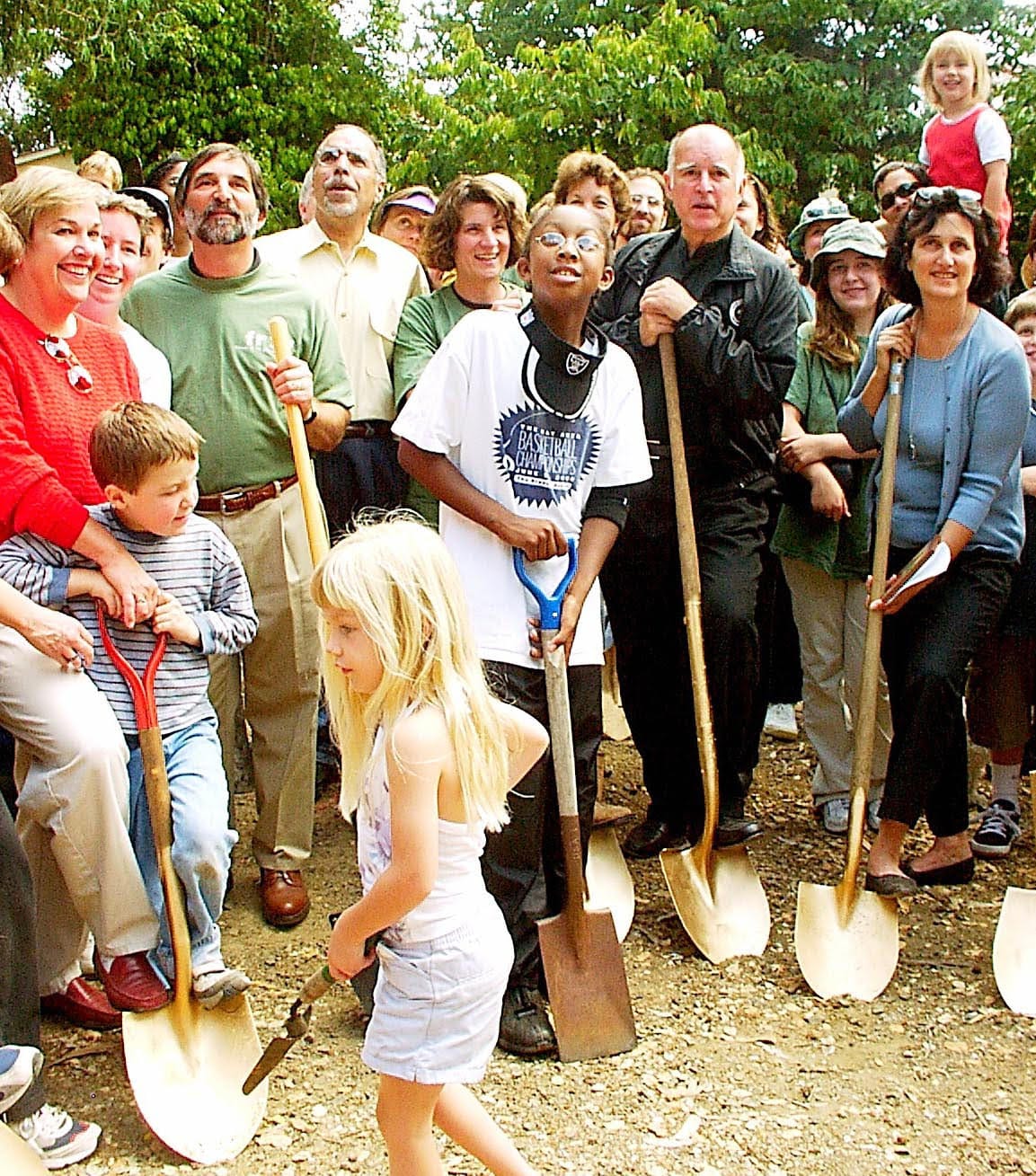
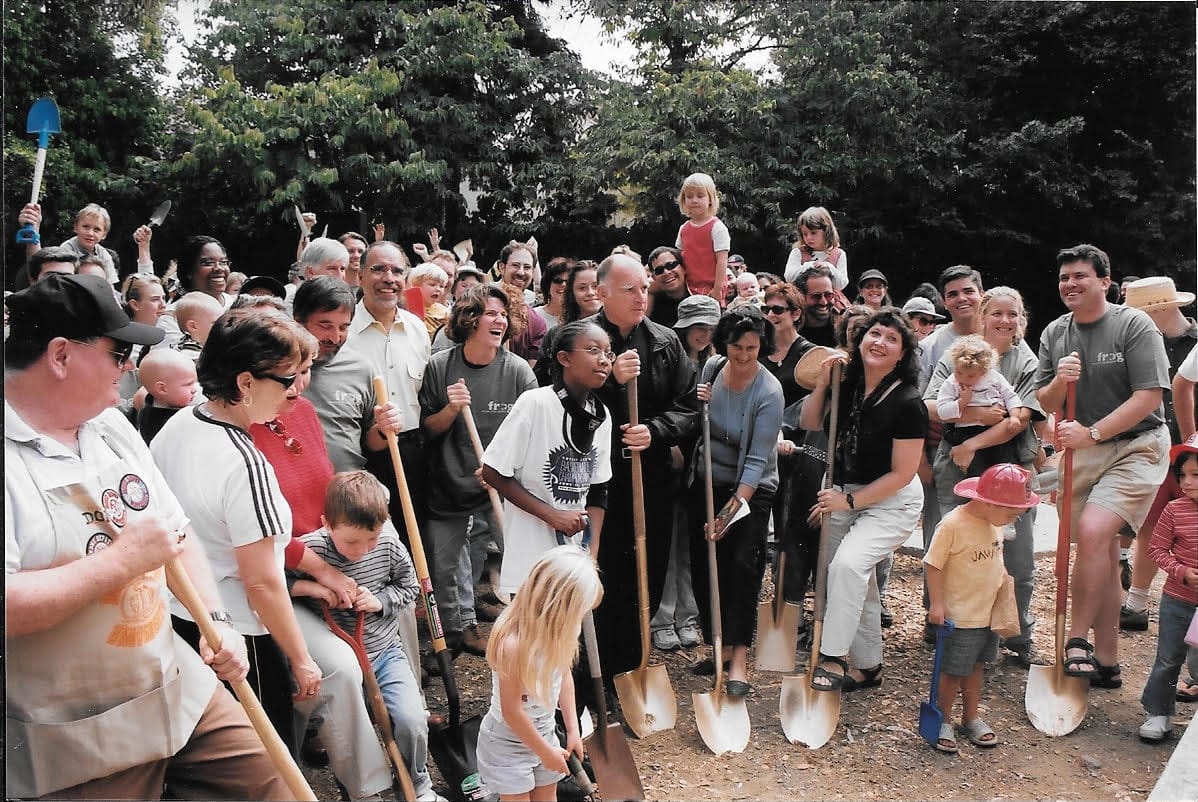
The first phase of the greenbelt, including the playgrounds, was completed in early 2002. BBI Construction handled all concrete work and paths, while volunteers built all the wooden play structures.
The Leathers team worked on-site with volunteers throughout the build, following a construction process designed to save time and money. Costa chaired the committee overseeing the park’s design and development, while approximately 15 construction captains—primarily community members with some construction experience—led teams building the playground structures.
Lisa Kissinger Kaplan coordinated construction volunteers after being recruited by her friend Eileen Fitz-Faulkner, a longtime project planner. Evening shifts filled readily, and weekends sometimes drew more volunteers than needed. Kaplan emphasized that the project’s success ultimately depended upon bringing in a wider network of planners, tool donors, childcare providers, and volunteers to prepare free lunches and dinners so families could work together— with a dedicated core completing the remaining work.
“It truly was a monumental group effort, and it was exhilarating and exhausting,” remembers Kaplan.
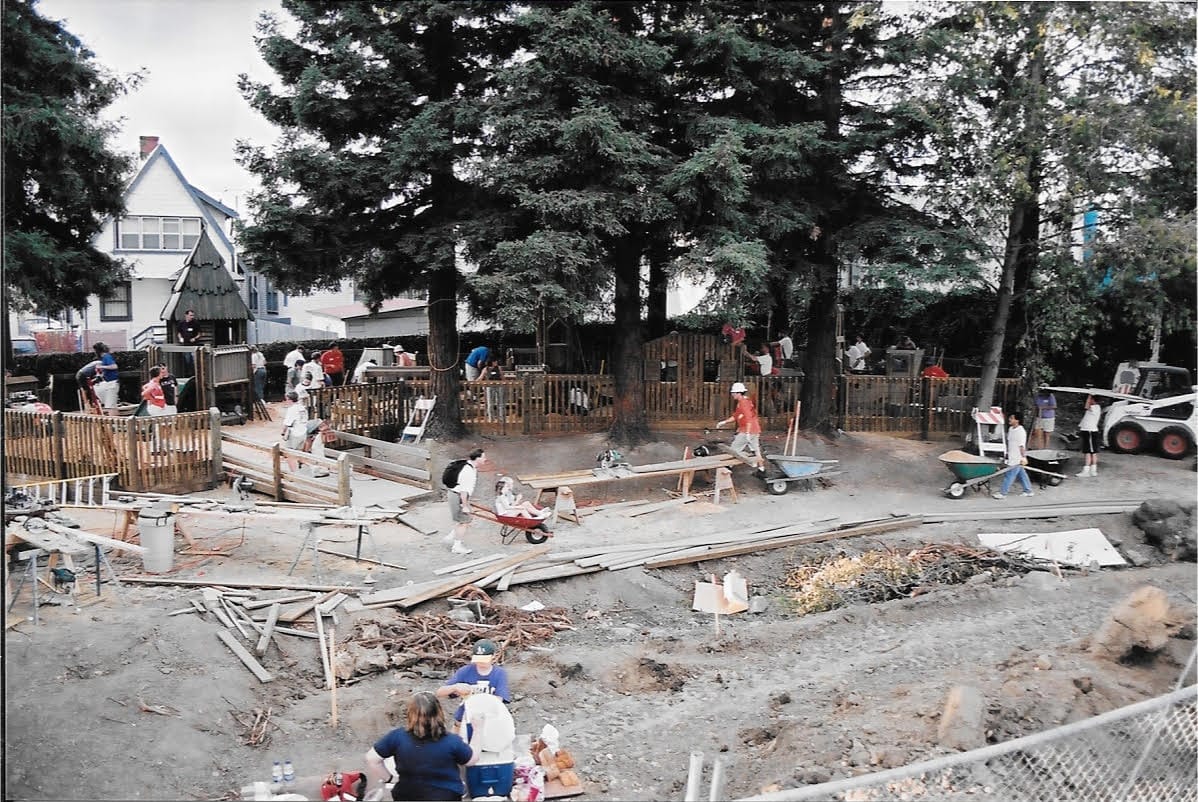
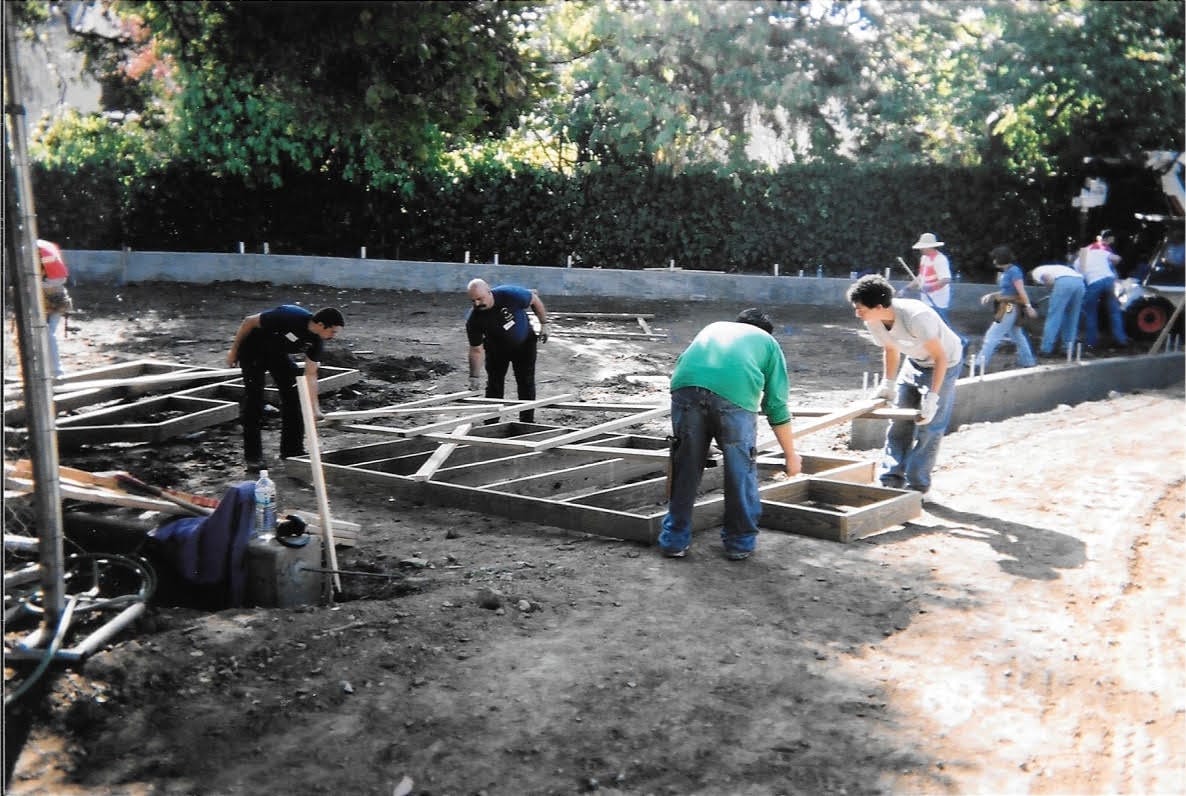
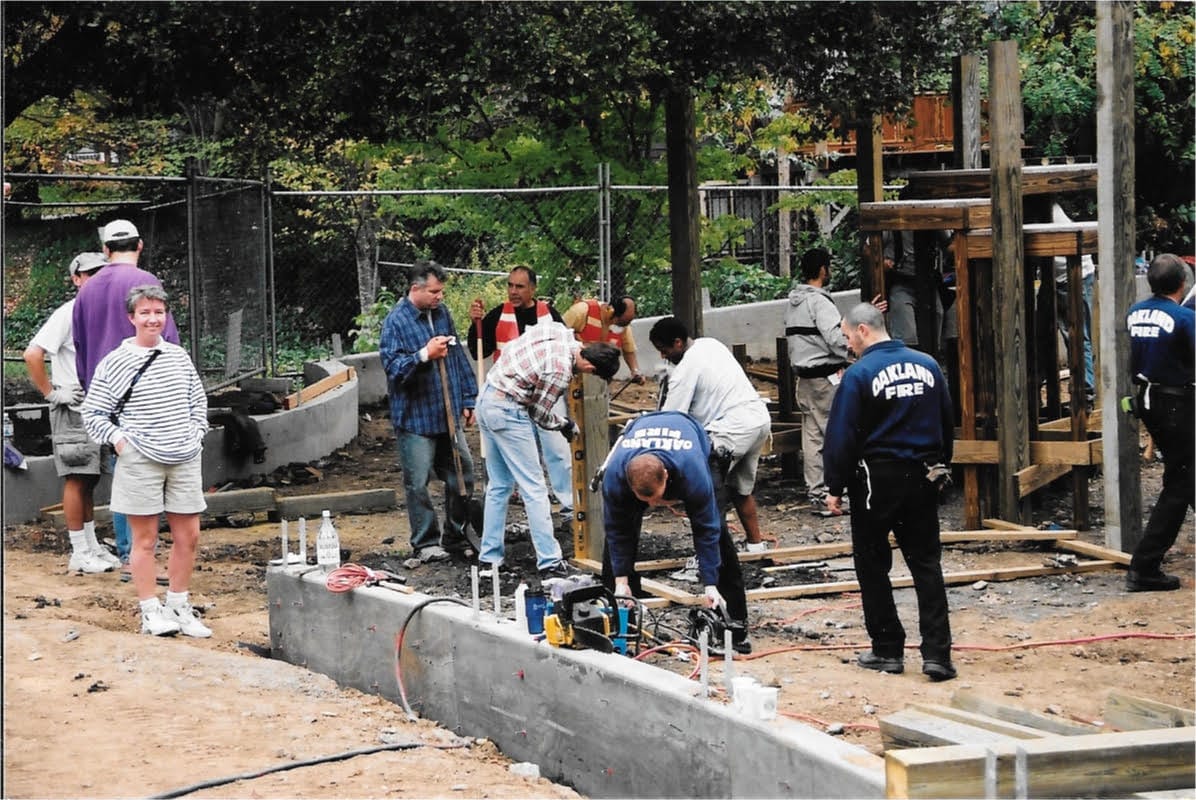
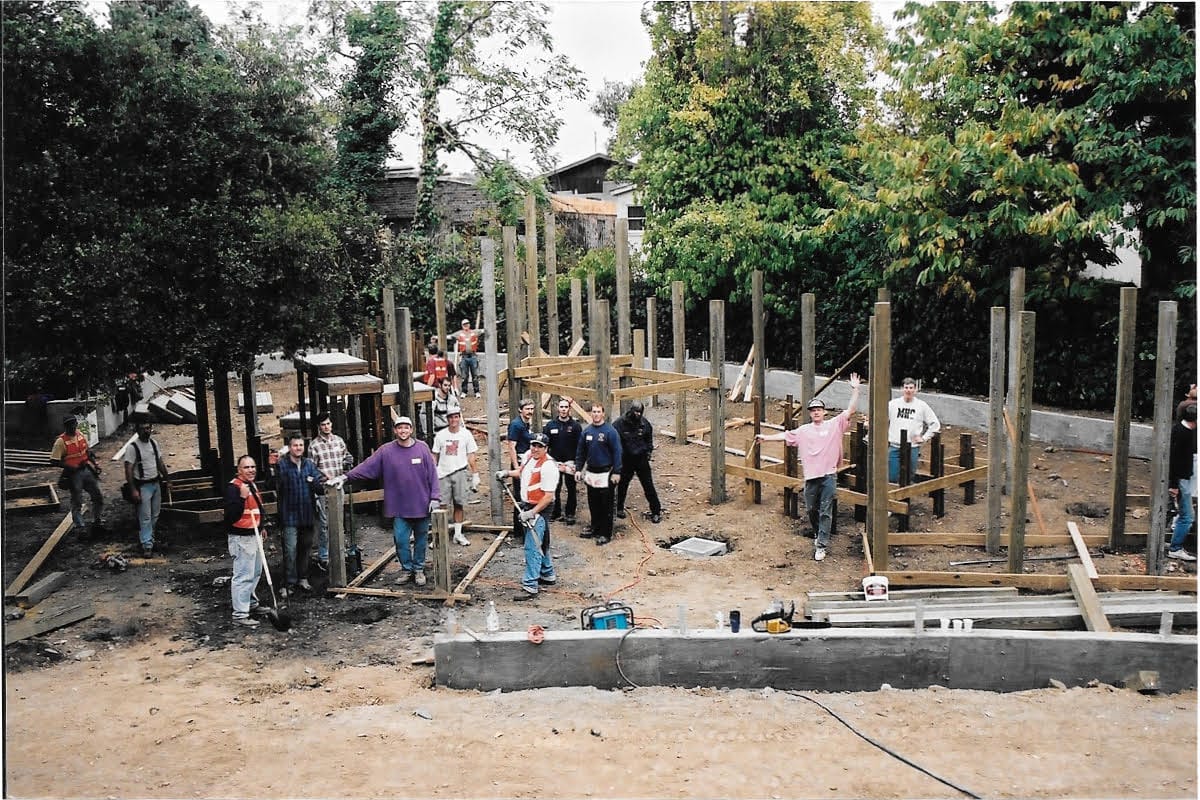
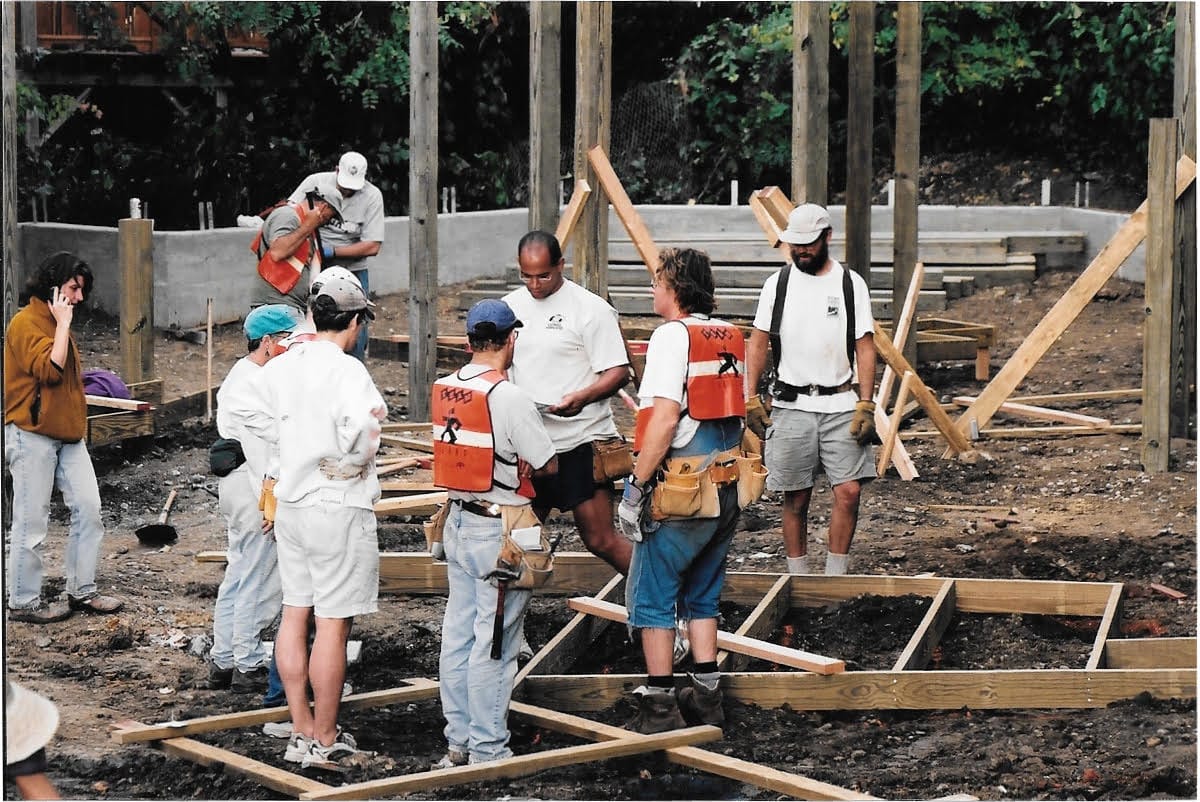
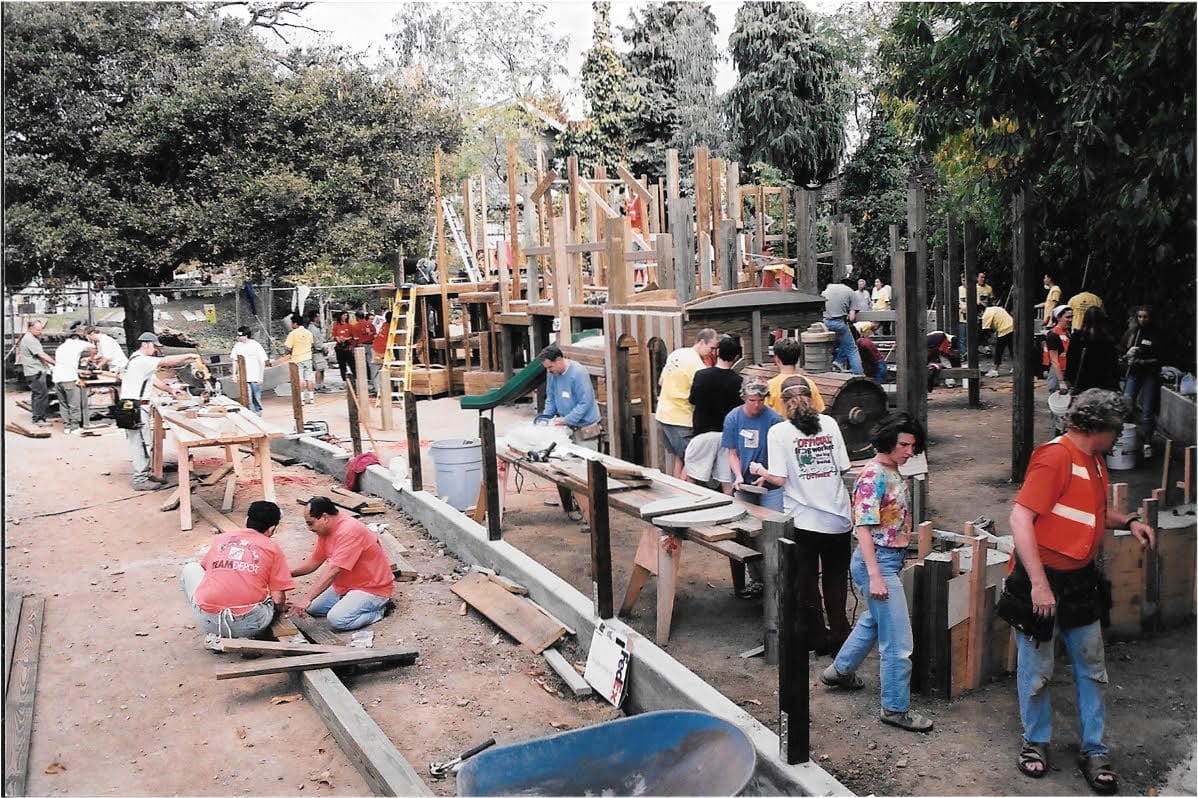
“Building the park was the closest thing to a barn raising I’ve experienced,” said Costa. “This is the first community-built playground in Oakland… we are making history.”
The play area near Hardy Street became known as Big Frog, serving older children as well as younger ones. Little Frog, near Redondo and Clarke streets, was designed for children ages 5 and younger.
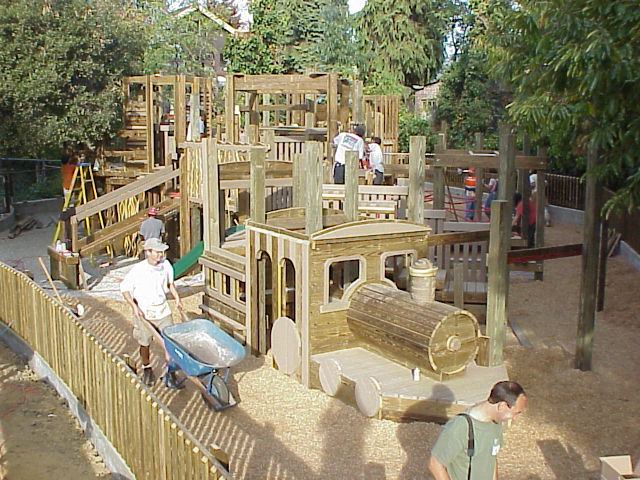
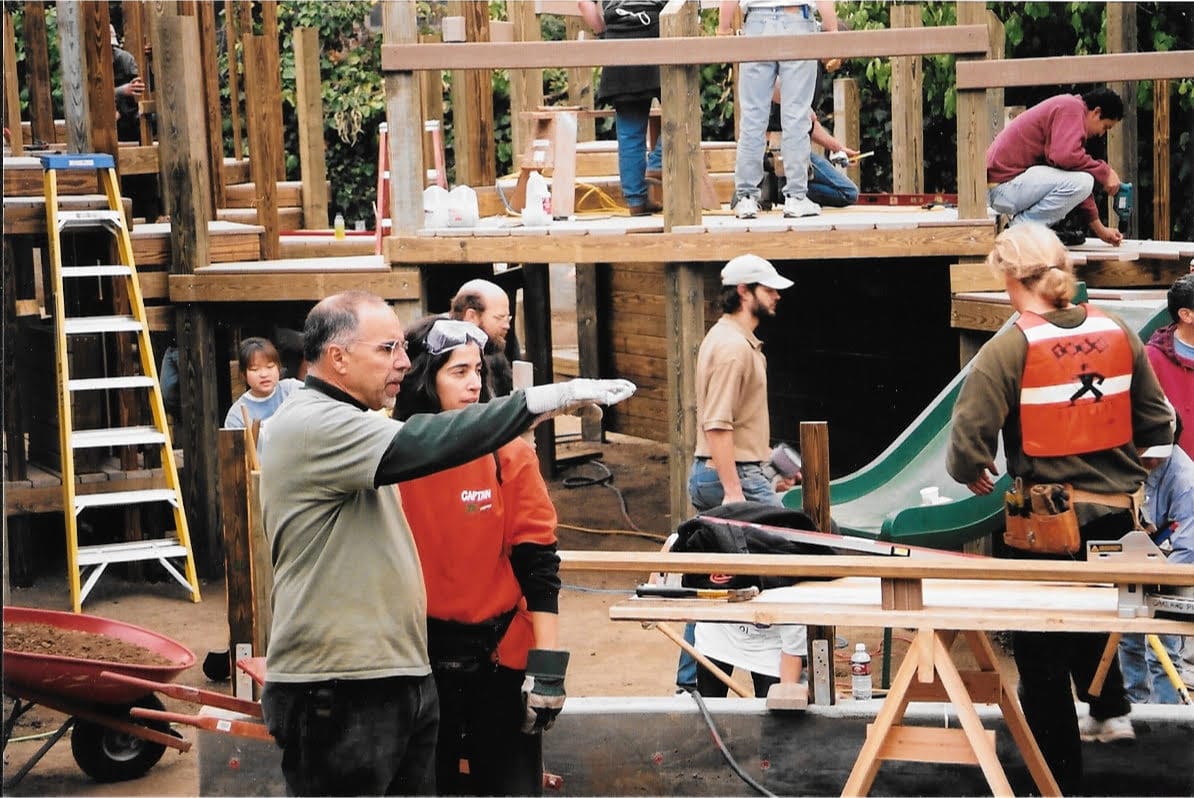
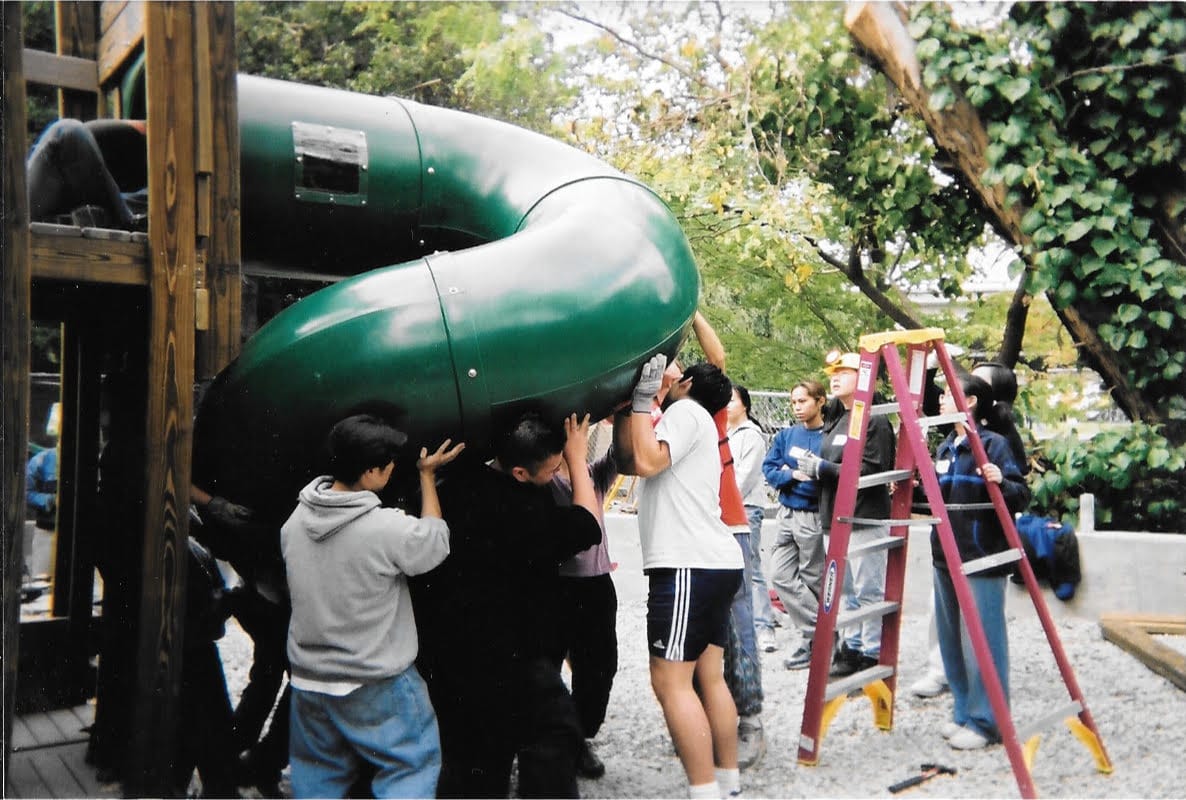
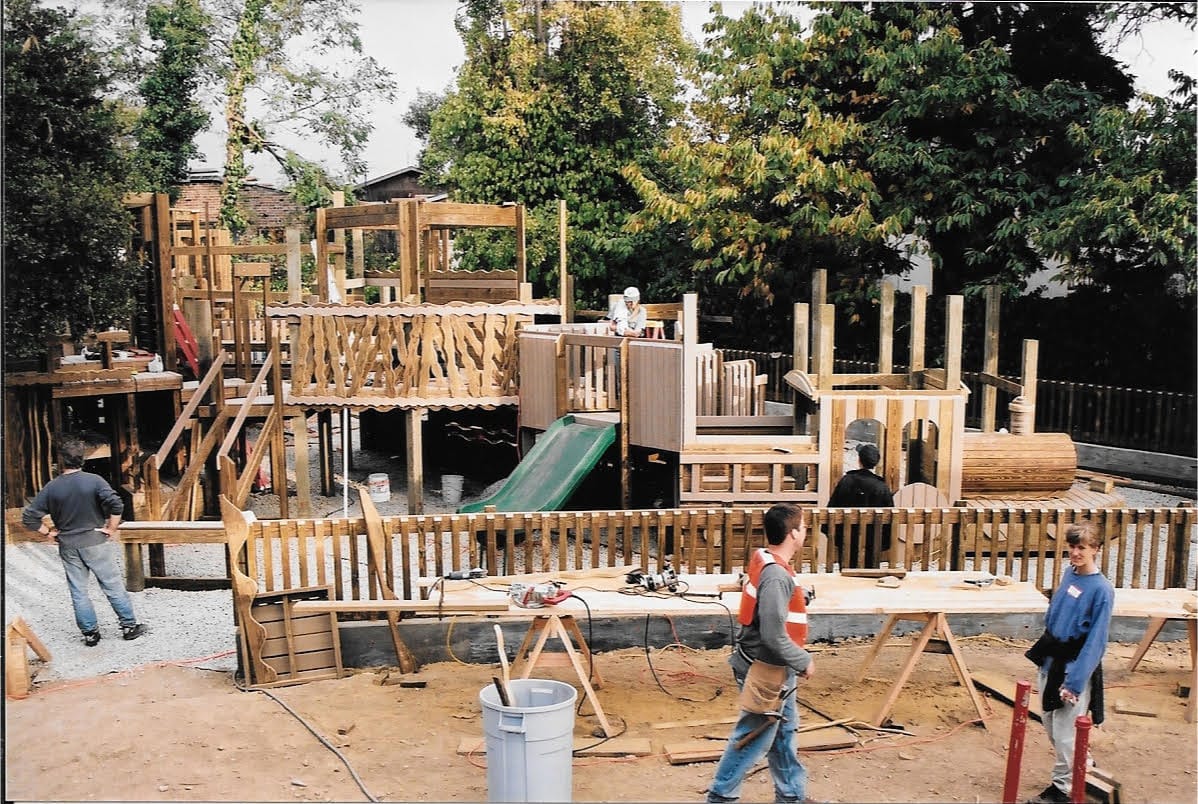
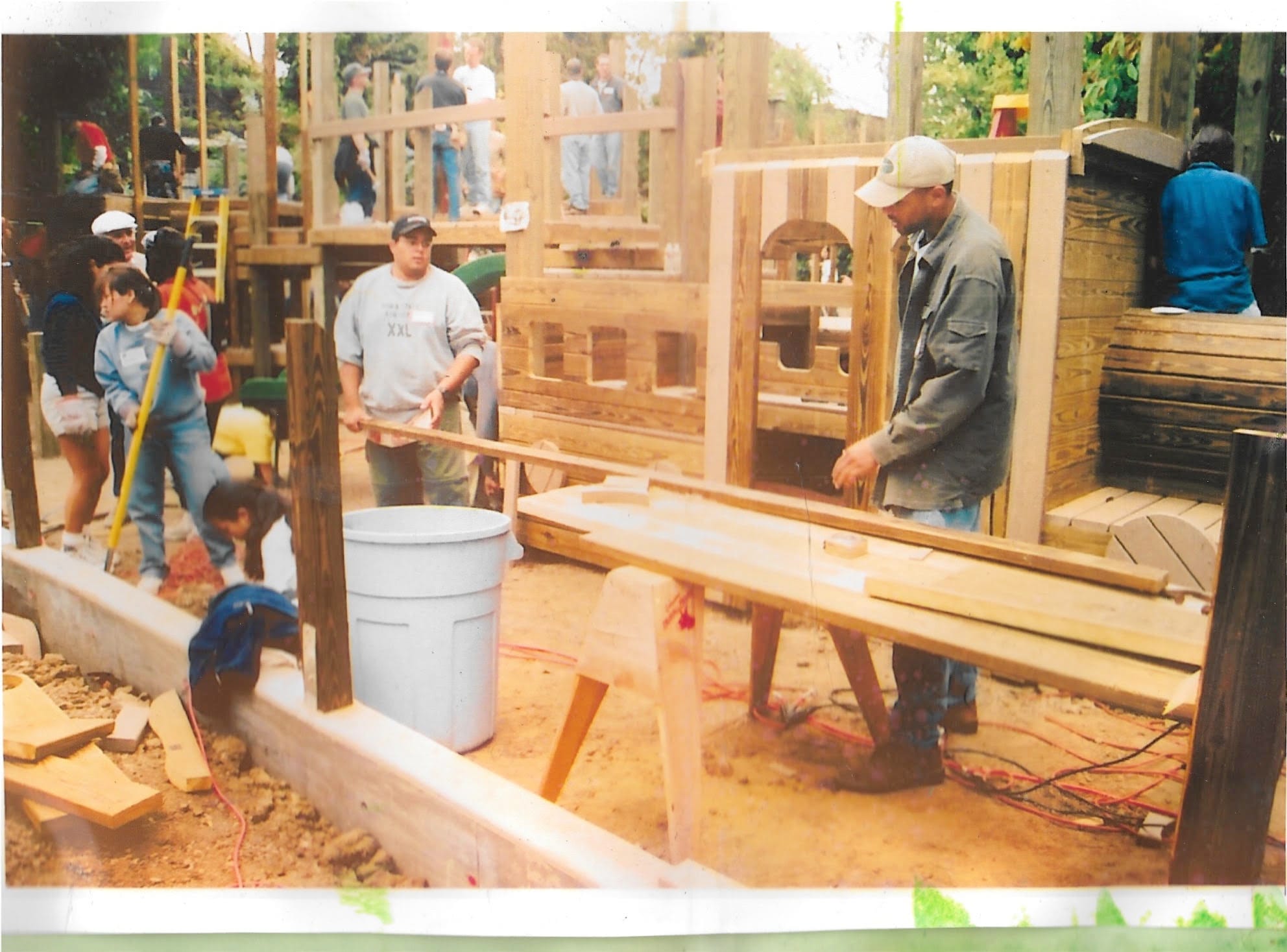
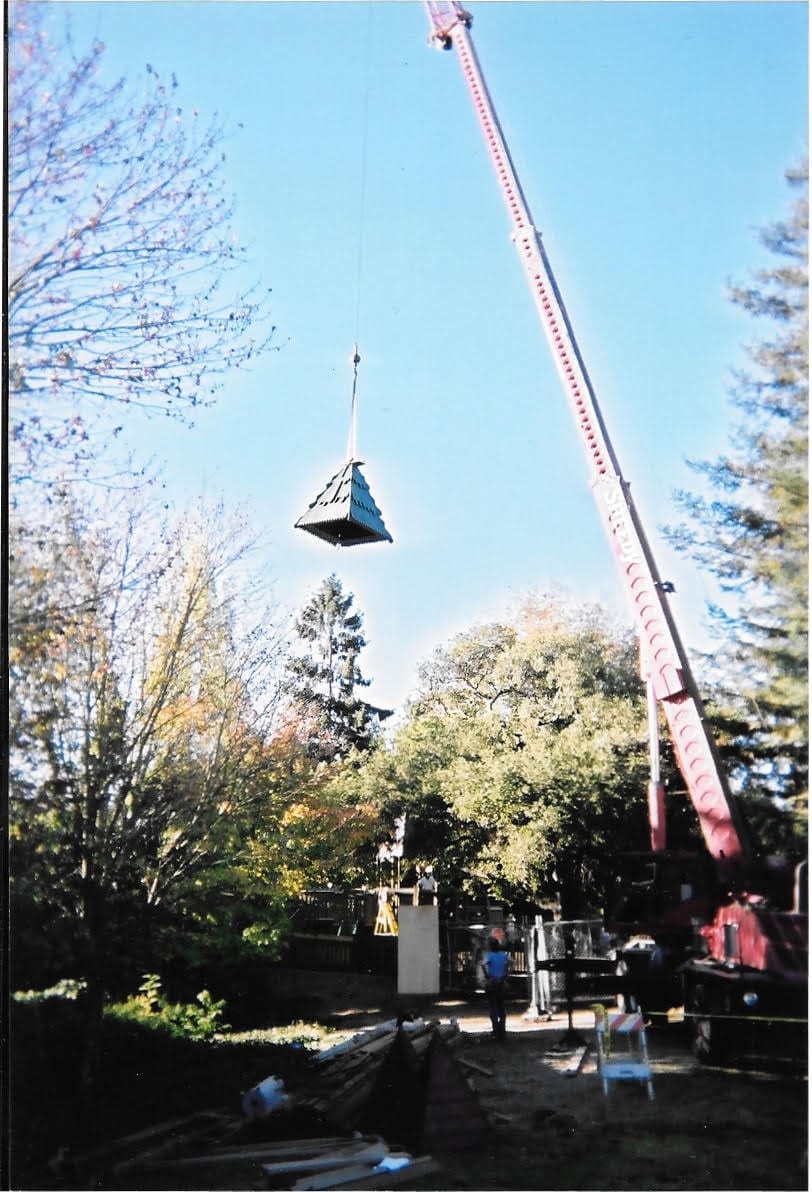
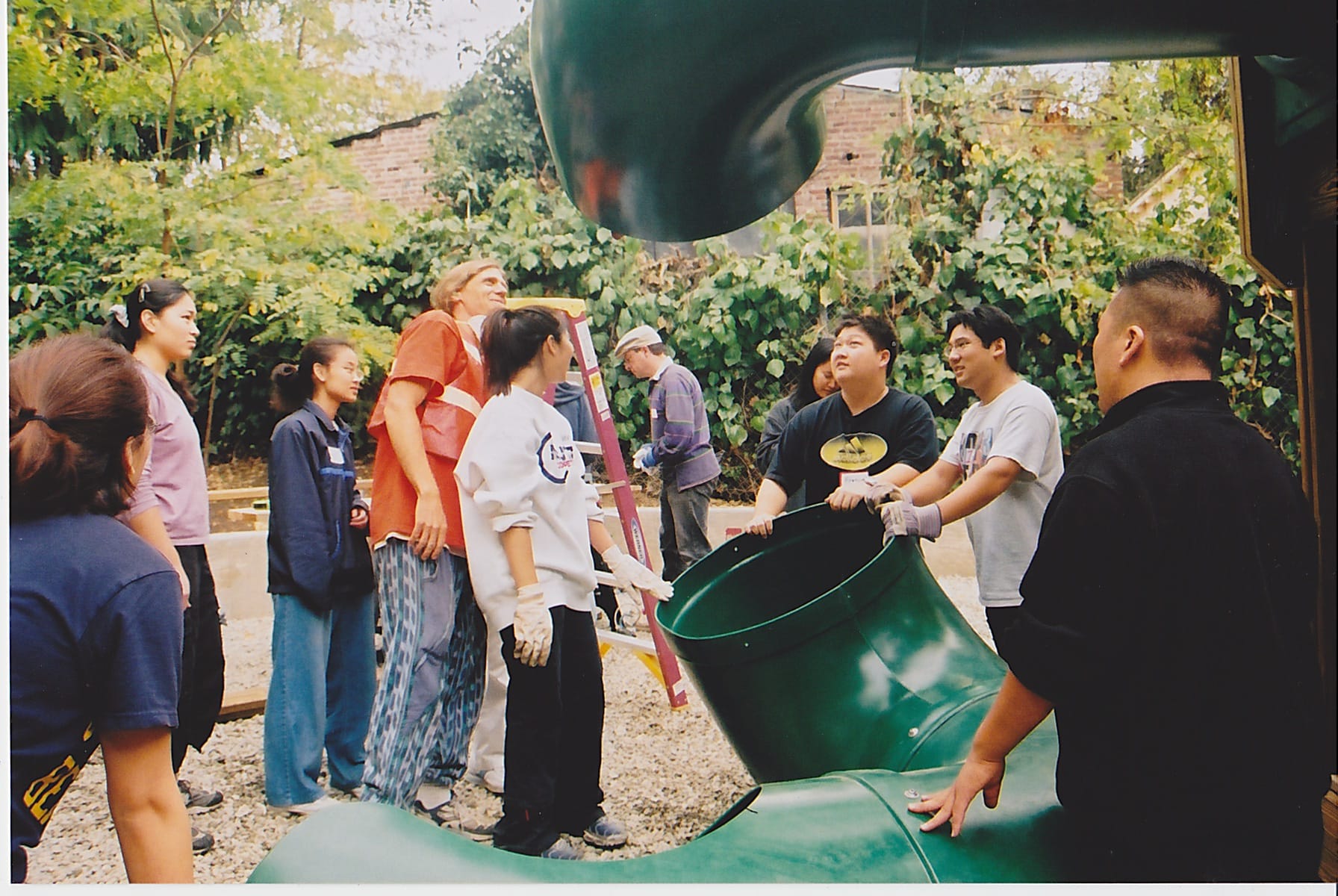
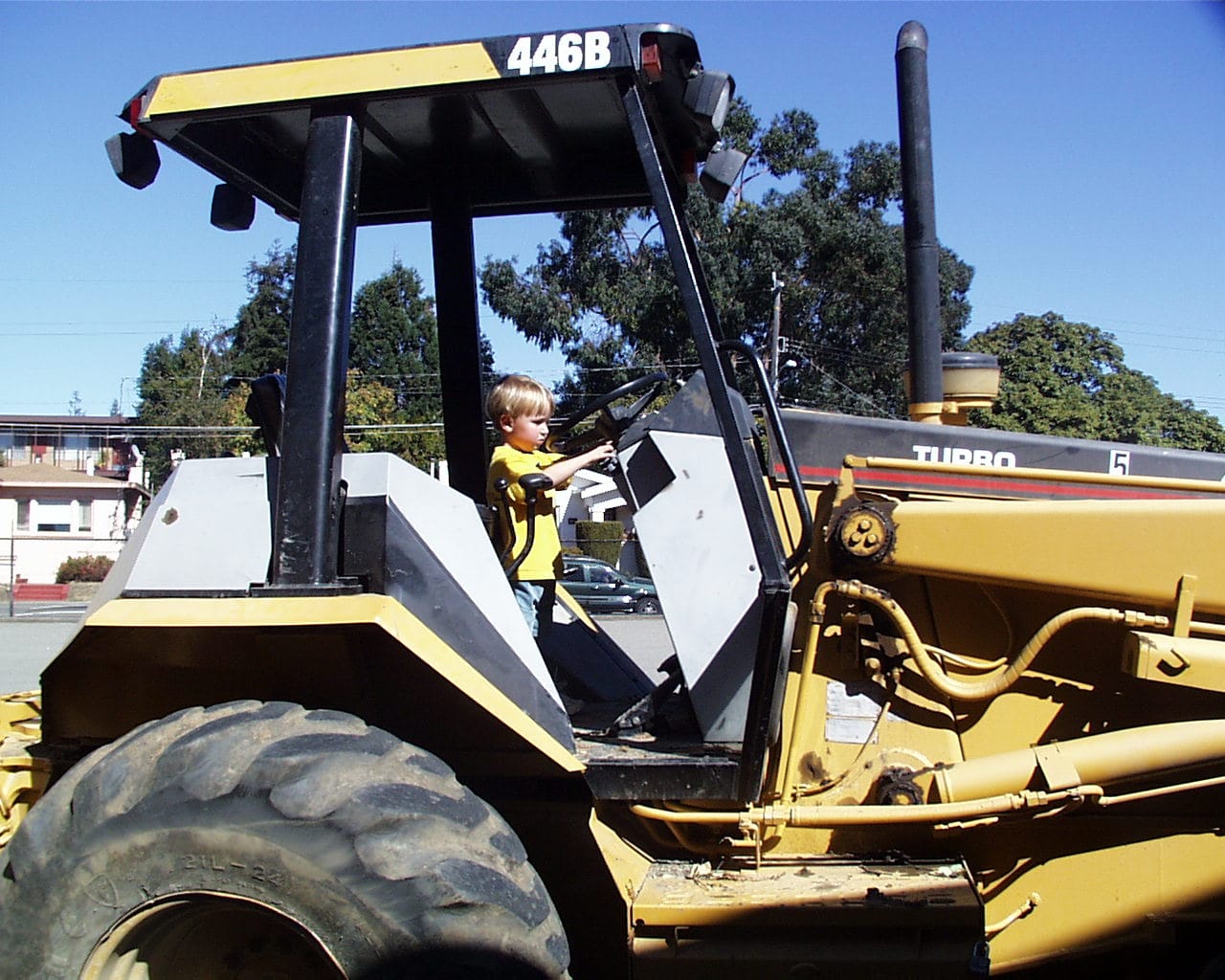
Volunteers also came from outside the neighborhood, including the Junior League, Oakland Tech, East Bay Conservation Corp, Station 8 Firefighters, North Oakland Charter School, U.C. Berkeley Circle K International, and the Masons, who continue to show up faithfully as needed.
“The scene was mesmerizing: At one end of the park stood the partially-built play structure, a fantastical edifice about the size of a small house. Coming into, going out of, and working in, under and around it were dozens of people, busy as bees. They all seemed to know what to do: some were pushing wheelbarrows full of gravel; others were sawing, measuring, hammering, or drilling; still others were schmoozing over plans and blueprints,” said volunteer Janet Somers.
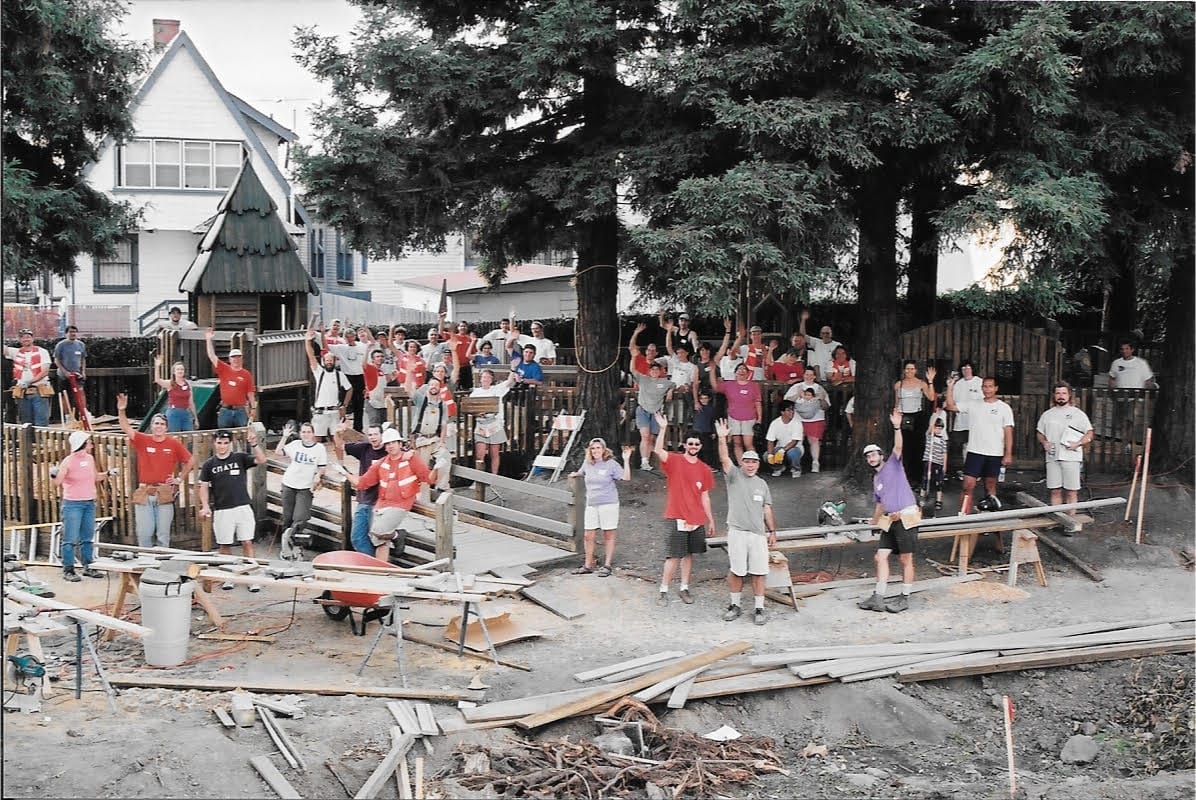
Ongoing maintenance had received insufficient attention during the initial planning, so Kaplan enlisted students from the College Preparatory School to help with annual wood sealing, minor repairs, and cleanup. Their work helped establish ongoing stewardship, and she credits the school’s sustained volunteer commitment over the years.
Phase Two: 2006
Jennifer Cooper stepped in as chair for Phase Two of the Big Build. Nearly $1 million was raised to create the tables and seating at Lily Pad Plaza at Big Frog, renovate the basketball courts, add a drinking fountain, include wildlife public art along the path, and install regular swings, a tire swing, and accessible play panels. The funds also helped complete the path and creek restoration from Clifton to Cavour.
Other improvements during the park’s development included restoration of the Oceanus mural beneath the freeway in 2003. The FROG Committee raised money and recruited volunteers specifically to help with the project.
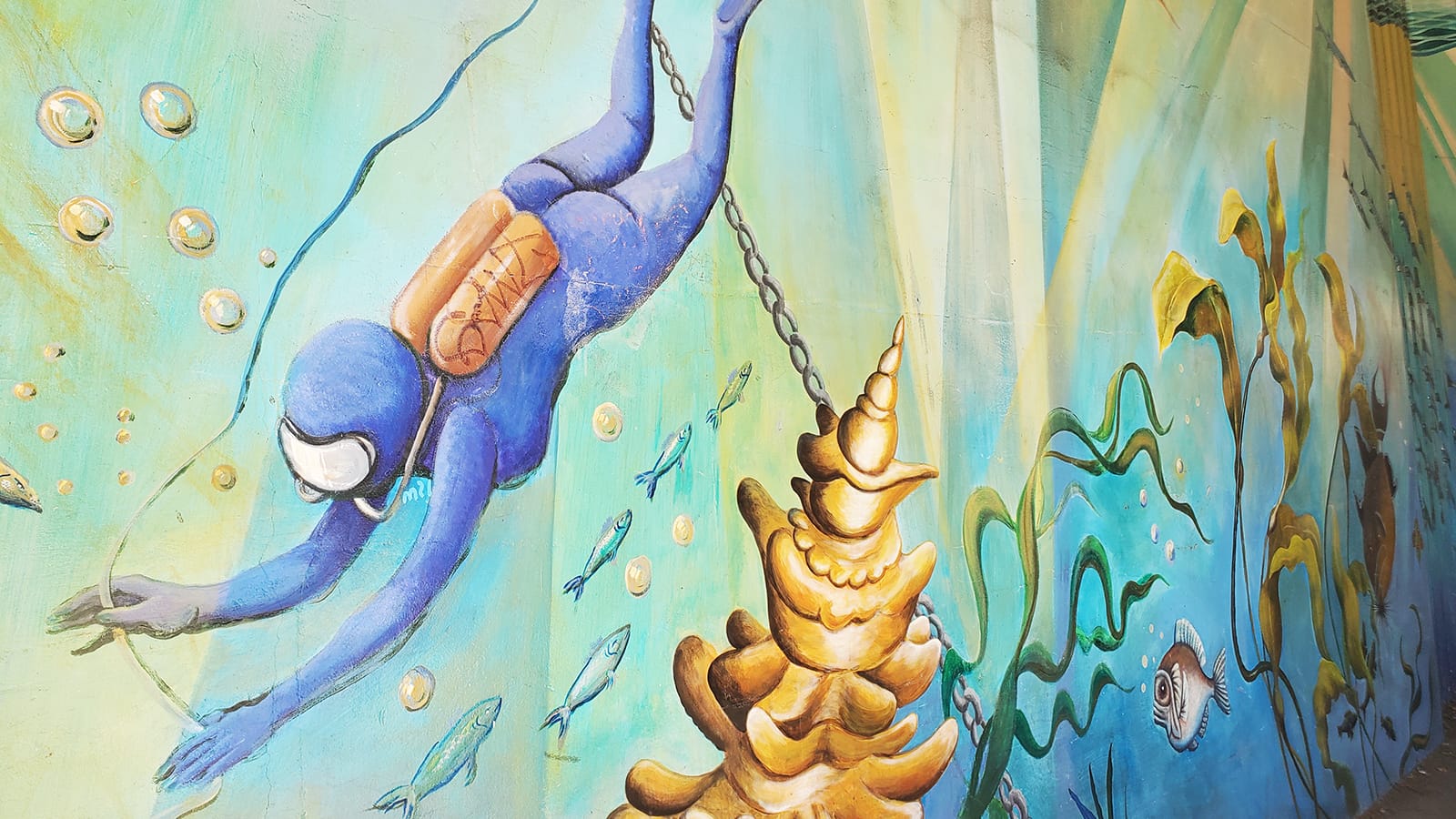
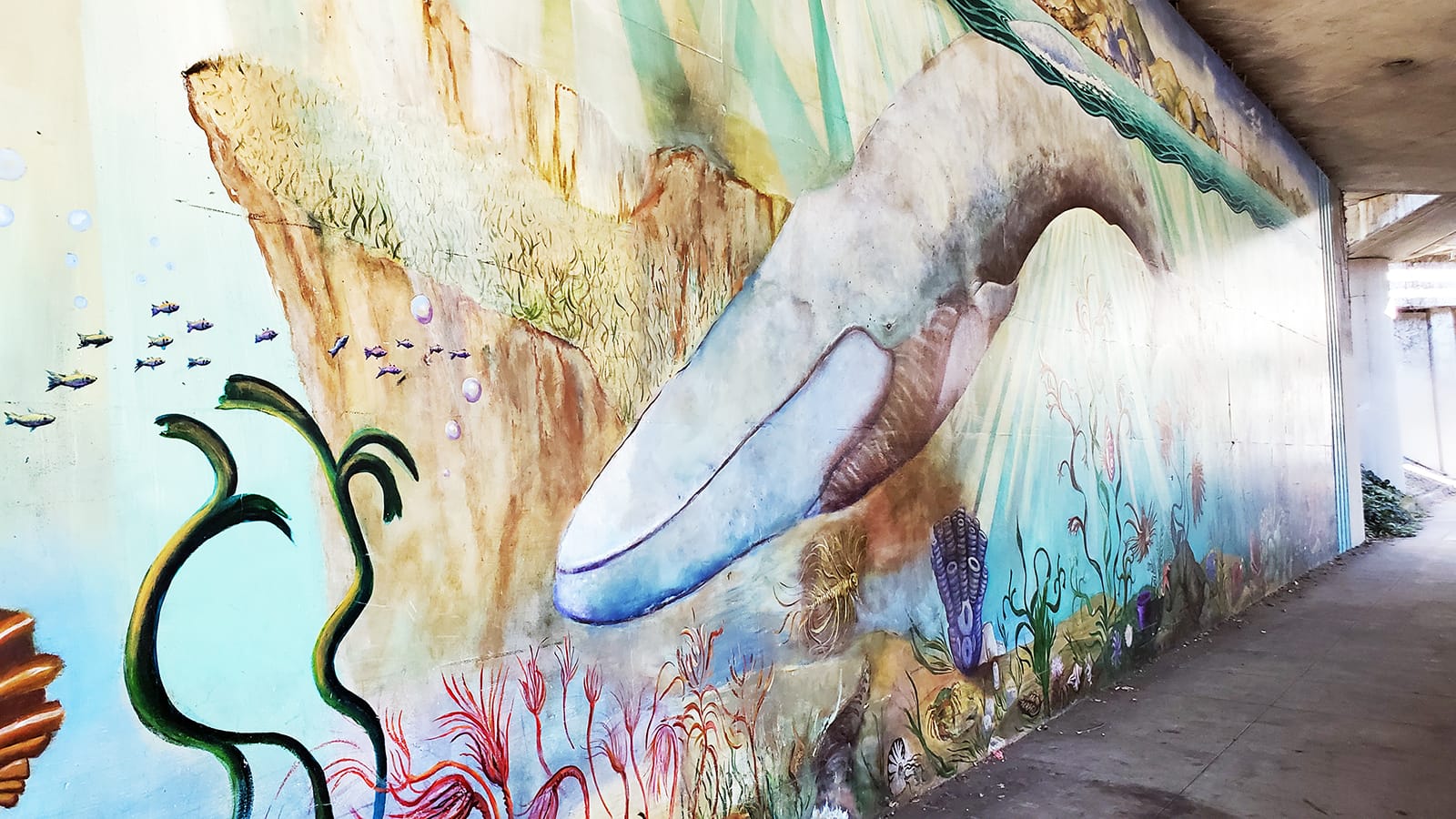
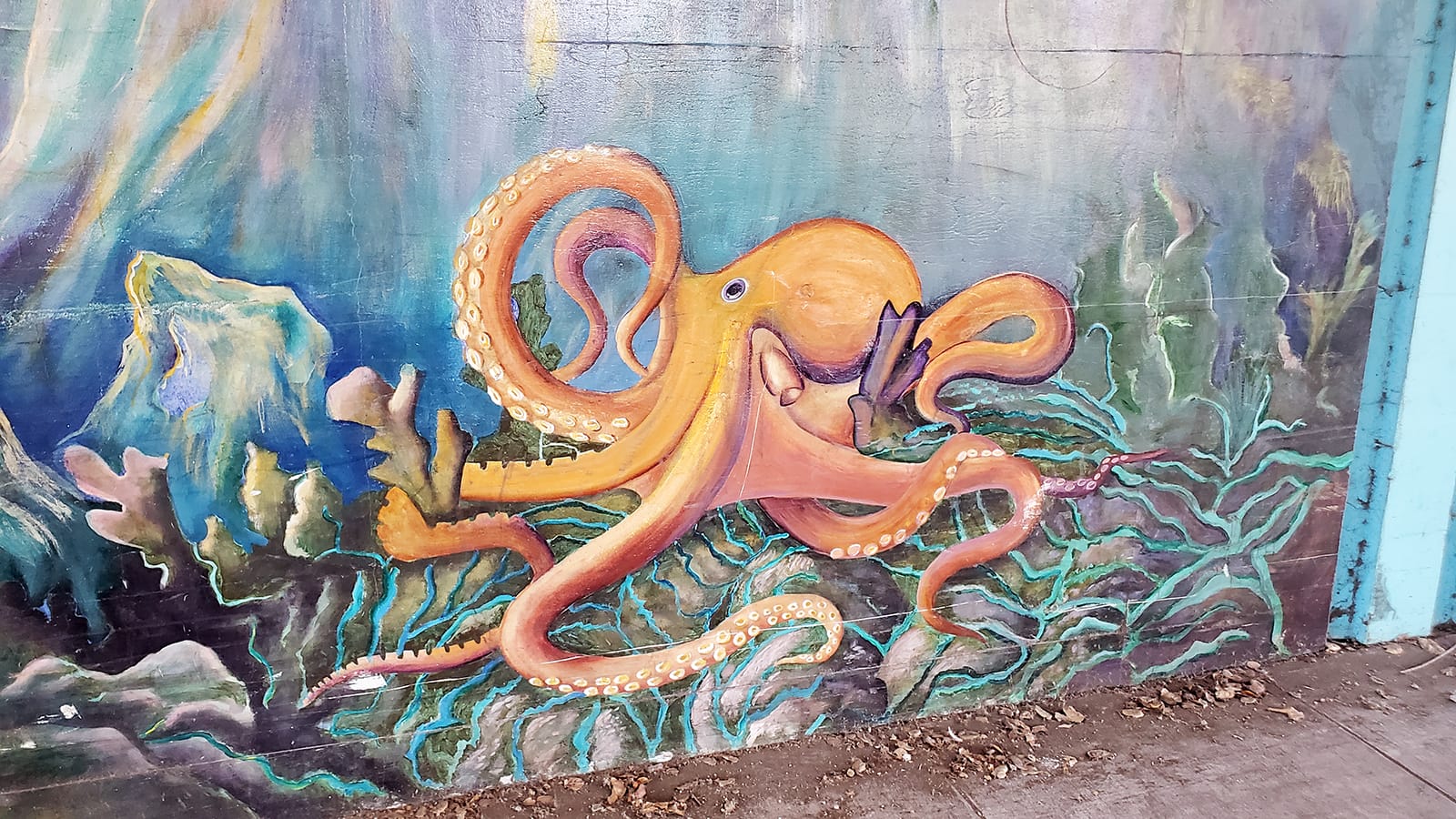
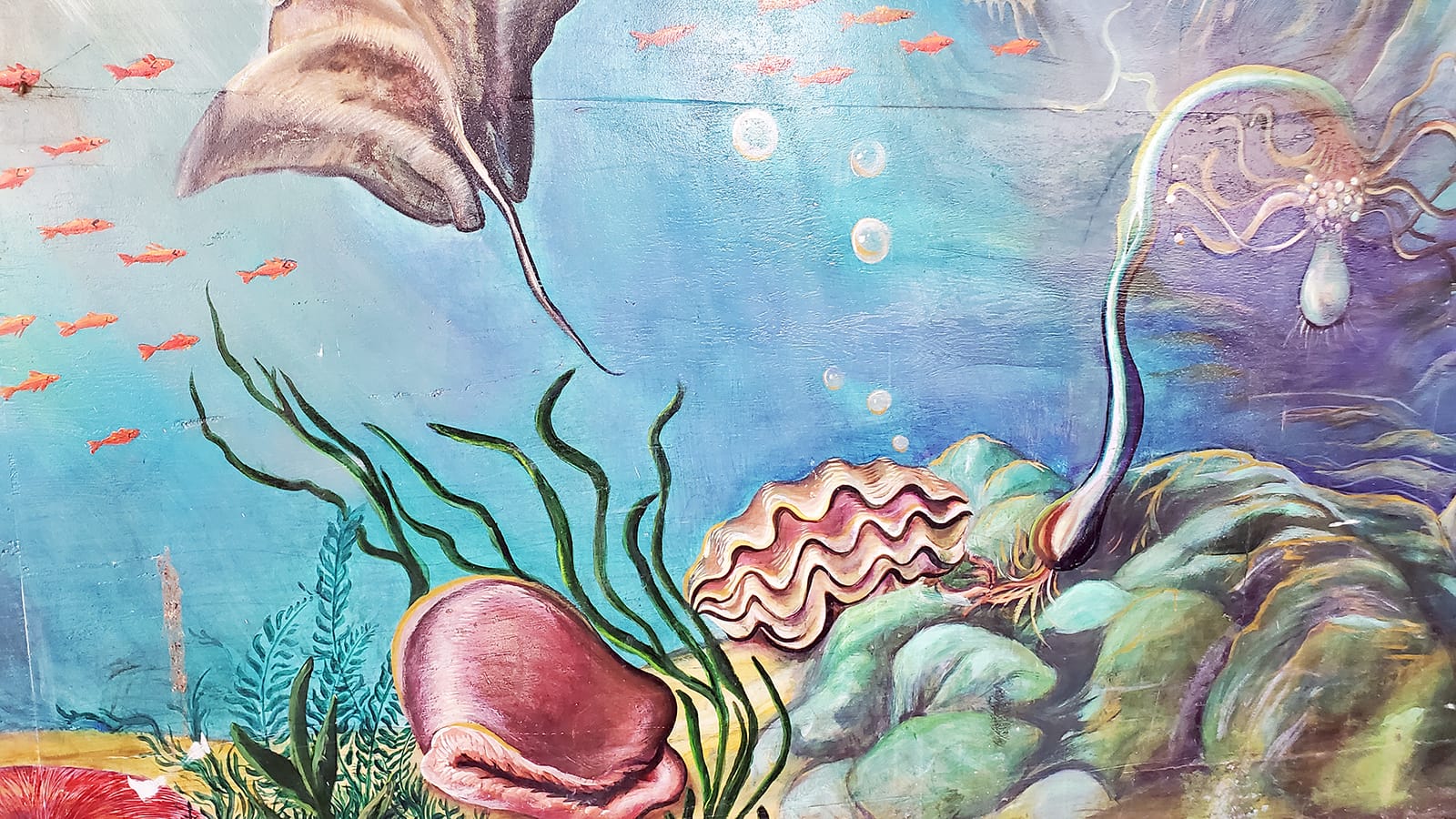
Oceanus mural, originally done by instructor G.W. Graham with artist Ed Monroe, Lou Silva, Lois Fischer with volunteers and students from Laney College and Vista College. It was restored in 2003 with local support.
The exceptional mosaic design work was done by local artist Monica Zinda, including the beautiful sandbox and Tallulah the Turtle (named by Jo Ellis, a long-time Rockridge News volunteer and 50-year Rockridge resident). Under Zinda’s excellent instruction, tiny mosaic ceramic tiles were applied to the turtle and surrounding wall at Big Frog (done in Phase One).
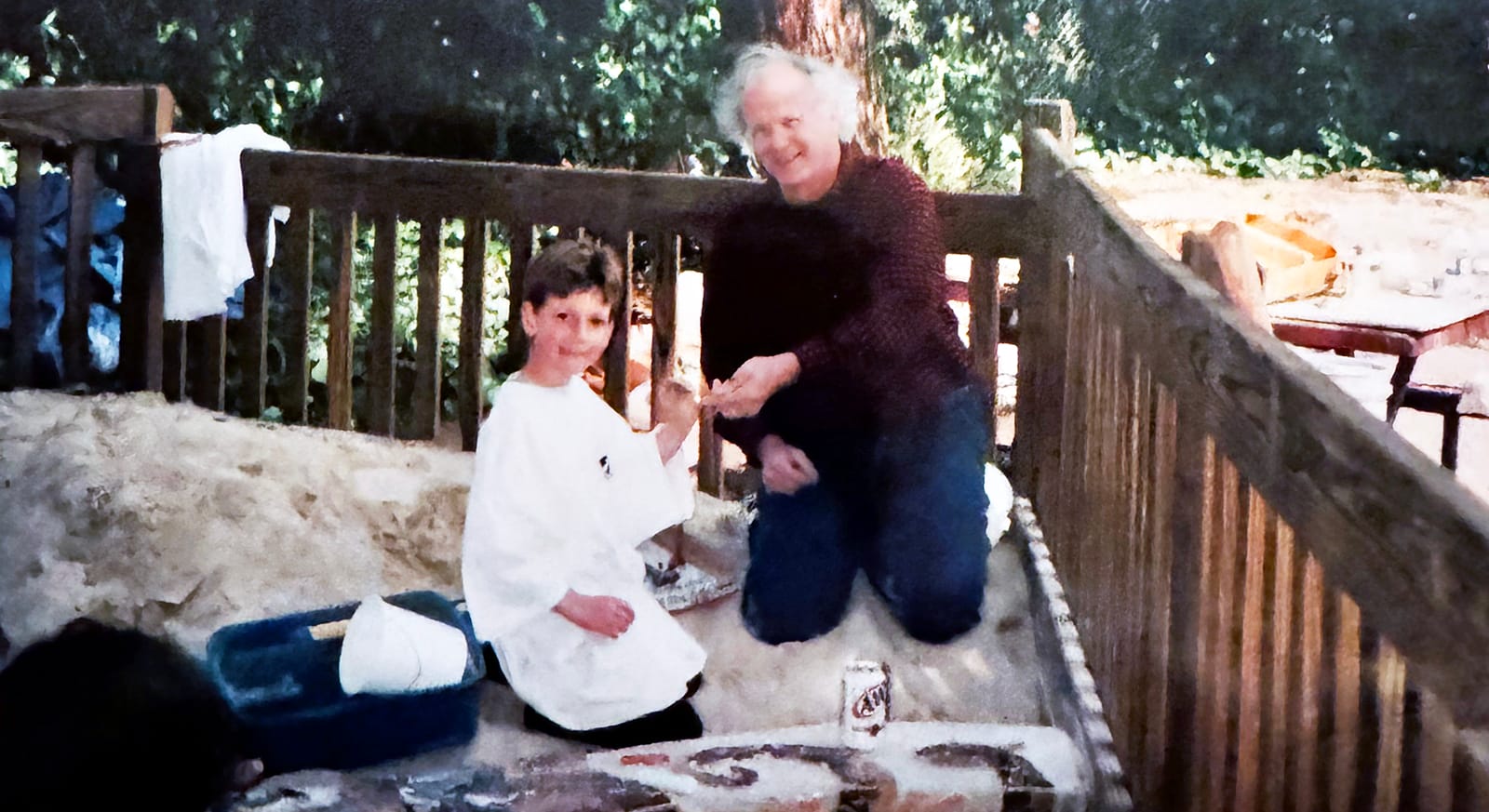
The artwork at both Big Frog and Little Frog exemplifies the level of expert craftsmanship contributed by many talented individuals who contributed time, skills, and ideas throughout the build process.
In 2011, additional funds allowed for the replacement of the existing portable toilet with a permanent restroom, which has since been adorned with a beautiful mural by local artist Caroline Stern.
Phase Three: 2012
Carol Behr became FROG chair for Phase 3, and she launched a community survey to find out what people wanted next. Swings, public art, and noise reduction were the top requests—and FROG began another round of fundraising.
More than $250,000 was eventually raised, with plans finalized in 2017—again involving multiple public agencies. The plans called for new toddler swings, regular swings, and an ADA accessible swing, along with a seesaw and a conical spinner that allows children of various ages to play together. Public support included City ADA, private funds, and the Fourth Bore Settlement funds.
“This playground project took longer than expected, but it was so worth it! We balanced community wishes, broader age groups, ADA access, and neighbors’ concerns—with multiple government agency requirements,” recalls Behr.
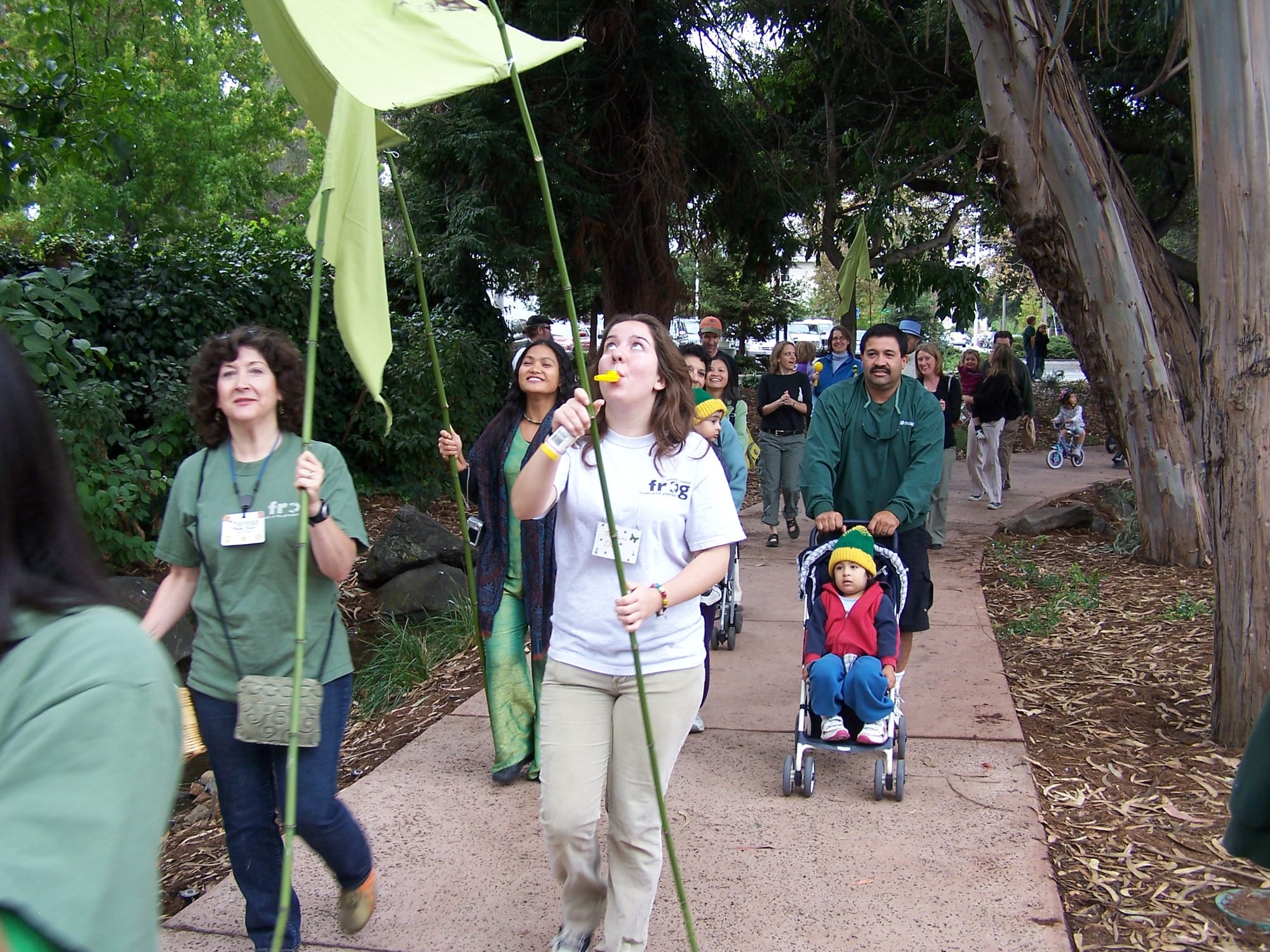
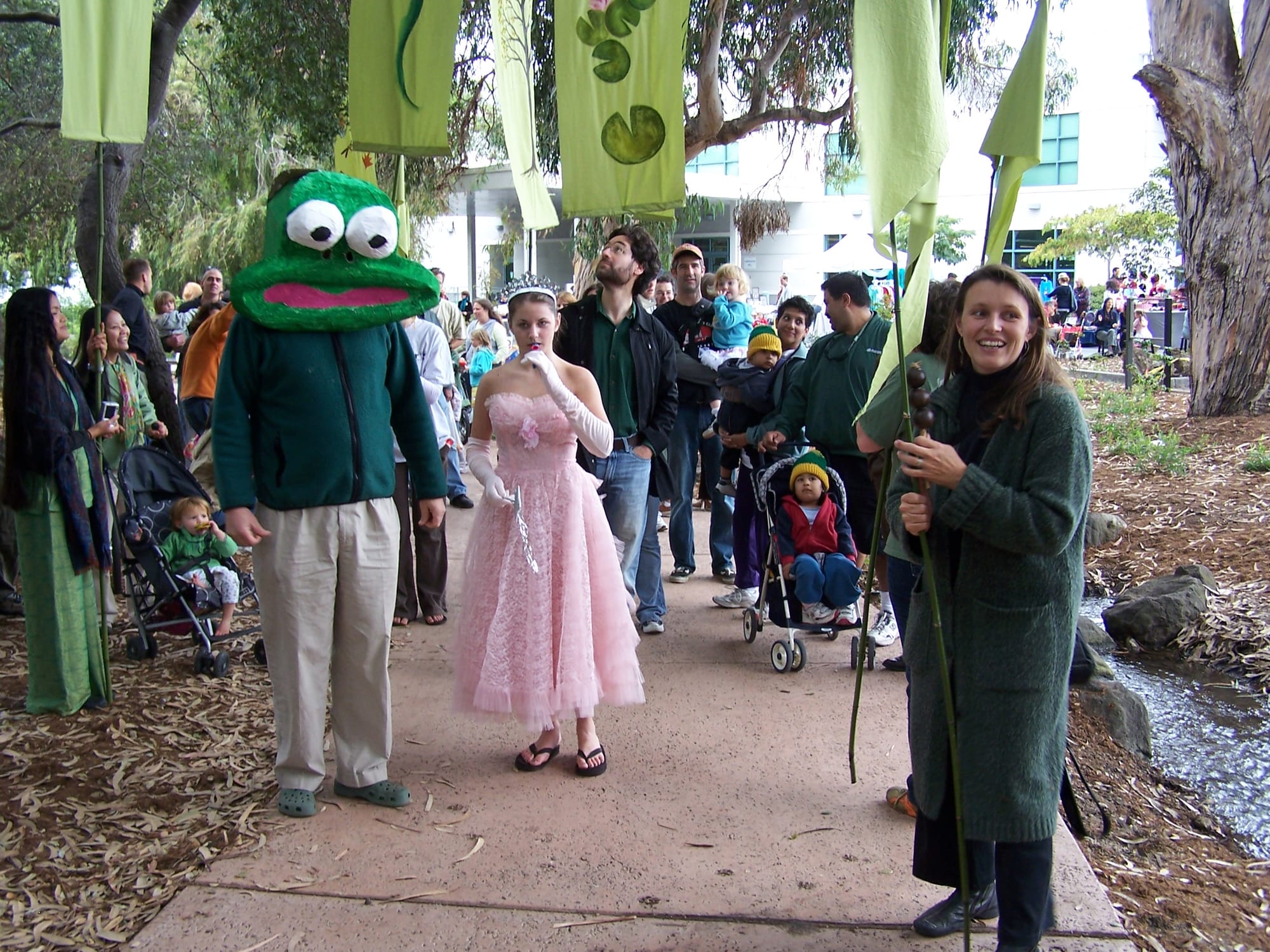
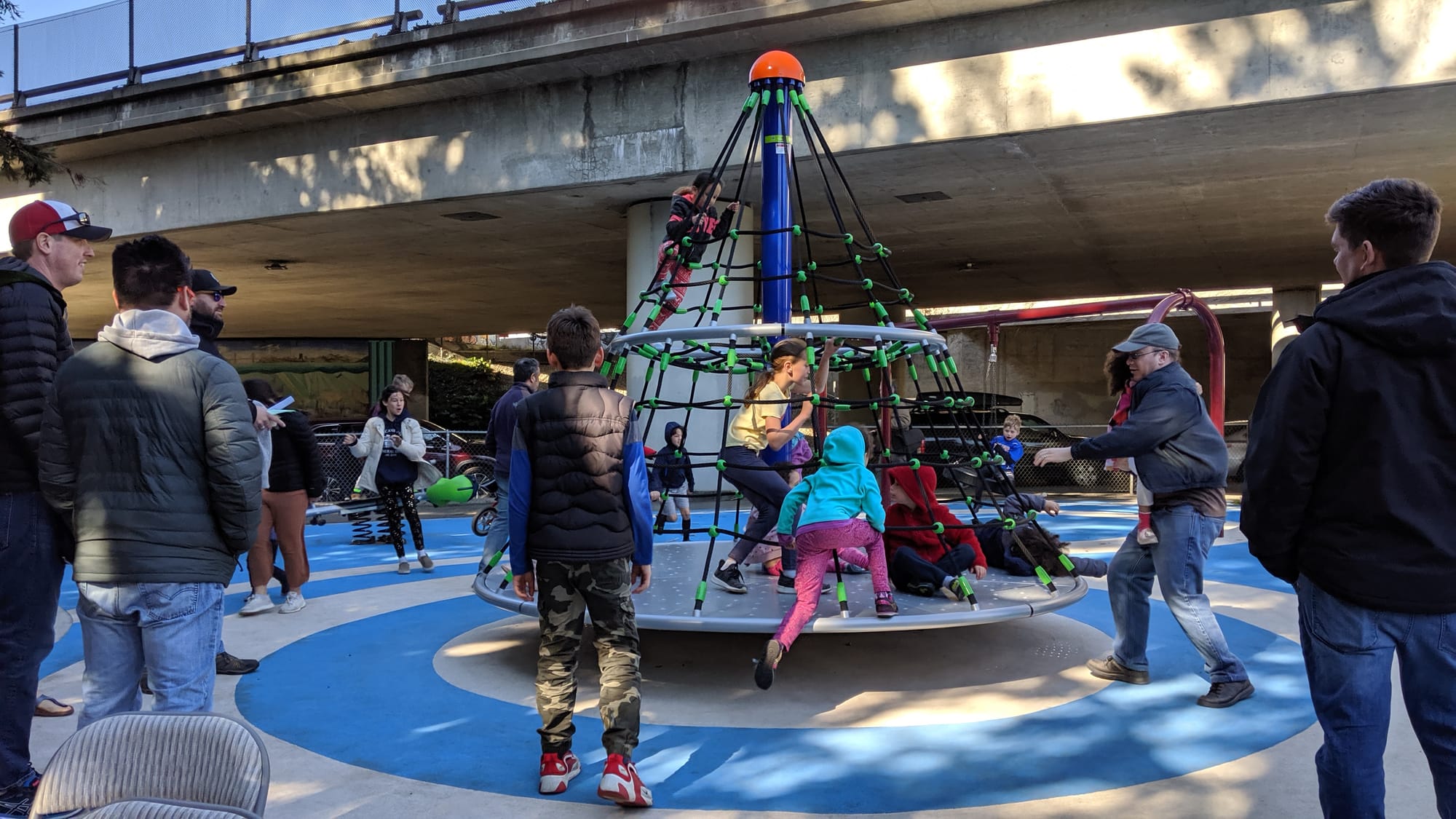
Construction was completed, and a ribbon-cutting ceremony took place in February 2020, just before COVID-19 closed parks citywide. The park reopened later that fall.
The opening of the Park expansion was at the end of the COVID lockdown era, and brought so much joy to the Frog Committee, especially because of the collaboration and seeing children rush into the new playground, and still today, is very a popular destination for all of Oakland communities to play on the new swings, Apollo climber/spinner, and more,” remembers Behr.
In early 2021, Alison Drury and Dr. Will Sheldon became FROG’s new co-chairs, with Sheldon continuing on until today. He is passionate about its future.
“Big and Little Frog Park, Hardy Dog Park, and the Rockridge-Temescal Greenbelt, are treasured community spaces made possible by a shared vision, dedicated community support, and years of hard work in partnership with the City of Oakland and Alameda County,” said Sheldon.
“Preserving and enhancing these unique and valued green spaces depends on continued community involvement, now as much as ever. Please consider getting involved and helping ensure these special places continue to thrive!”
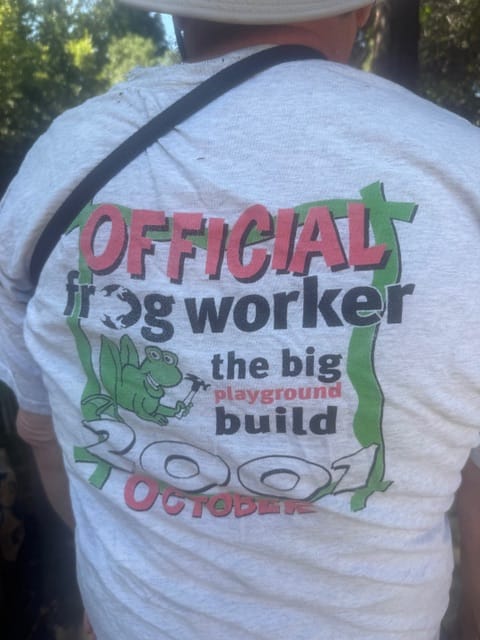
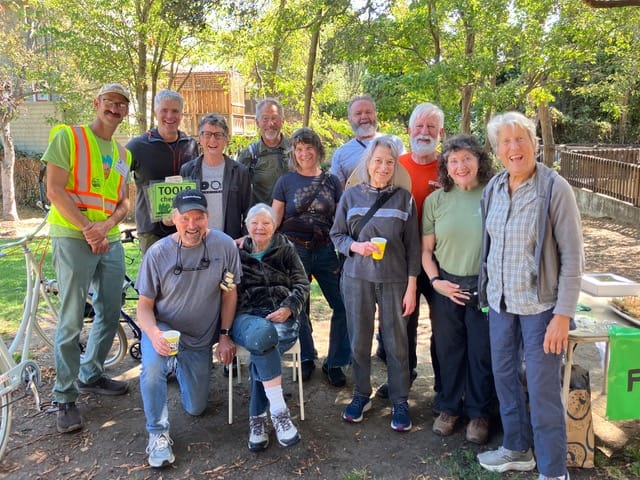
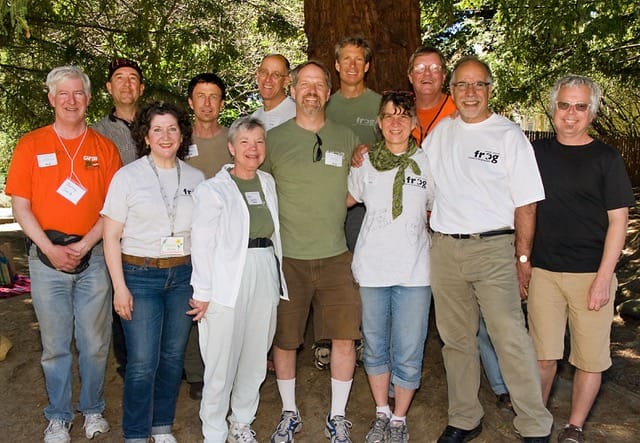
Volunteers at the annual Creek-to-Bay Day in September 2026 gathered in celebration of the park’s 25th anniversary. (Current Frog Chair, Will Sheldon, on left of group photo)
What’s Next?
Costa, who now divides his time between Inverness and Avon Street, continues to remain involved in local beautification projects. His current focus is a small, weed-ridden spot on 51st Street.
“A group of neighbors wants to transform the site into a garden, and we’re meeting with Sidewalk Parks and Gardens, a nonprofit that works on parks and gardens around Oakland, to explore how they can help.”
Continued Beautification at Climatescape
John Kamp is continuing his work on Phase Two of the Climatescape garden that he started in 2023. As part of the larger greenbelt, and adjacent to Hardy Dog Park, the garden features a range of flowers and plants that attract pollinators, as well as a custom wildflower seed mix developed specifically for the site (see the article in this issue about his upcoming plans).
FROG Committee’s Near-Term Priorities:
- Explore ways to keep Temescal Creek water feature flowing year-round
- Complete the next phase of the Climatescape garden
- Continue to maintain and improve the park
- Recruit more community members to the Frog Committee (it meets virtually once a month for an hour to plan and prioritize park needs; those interested should email info@frogpark.org.)
FROG will continue to sponsor semiannual cleanup events around Earth Day in April, and Creek-to-Bay Day in September, when dozens of volunteers participate. All neighbors are invited and encouraged to join the fun.
Watch the Story of Frog Park
Lily Shannon-Sutter grew up in Rockridge, and often played at the park as a child. A documentary filmmaker with time on her hands during Covid, she lovingly produced a video tribute.
“I remember feeling an awesome sense of adventure while running through the play structures and creek. Now as a filmmaker, I wanted to use my skills to give back to the Bay Area and communities I grew up in.”
All are welcome and encouraged to contribute to FROG for ongoing park maintenance and future projects, as well as for completion of the Climatescape project, by visiting https://www.frogpark.org/donate/.
To join the Frog Park Committee, email chair@frogpark.org.


