


The construction of Highway 24 (completed in 1969) and BART (completed in 1973) demolished roughly 1,400 local properties and devastated College Avenue’s commercial corridor for many years. Local home prices plummeted, the retail district was boarded up, and those who could physically move their home, did so... most did not. Over the next few decades, Rockridge recovered and continued to grow its pedestrian-oriented retail base and increase its walkability.
Retailers face many obstacles to success… economic downturns, online competition, rising costs, and now, once again, the threat of new development. But what happens when your shop is already impacted by construction? This is what Sole Terra Shoes and other neighboring businesses are faced with at the Jewish Community Center East Bay (JCCEB) project at 5929 College Avenue.
The organization’s expansion into the old Dreyer’s building location has been ongoing since the beginning of the year and is scheduled for completion by late this summer. Although there are currently no unforeseen issues to delay the project beyond this timeline, the adjacent stores will be impacted for at least a couple more months.
Disruption during construction is unavoidable, and the JCCEB is very aware of the impact its remodel is having on the building’s tenants. Although the organization’s responses have been well-intended and subsequent meetings have been held, the physical realities of being on a construction site remain.
All of this prompted Sole Terra Shoes owner Carol Fabretti, who opened the College Avenue shop more than ten years ago, to write a letter to the building management about its shop’s resulting decline in sales and the difficult work environment now faced by employees and customers.
“Some days, the noise peaked at such an unbearable level that staff had to temporarily step outside or adjust operations as an emergency response to the extreme construction noise during open hours, further affecting sales. The reality on the ground feels indifferent to small business survival.
“Larger institutions talk a lot about being community assets, but small, independent retailers like Sole Terra are the fabric of this community. When a massive project takes precedence over daily survival, it feels like the longevity of legacy tenants is being taken for granted. I just hope we can hold on until it’s over.”
In light of the challenging situation, Susie Crumpler, Chief Executive Officer of the Jewish Community Center of the East Bay, released a statement addressing these concerns:
“The JCC East Bay is proud to be a member of the Rockridge community, and we fully understand the strain and difficulty our ongoing construction work is causing our neighbors. We established a communications system designed to respond promptly to complaints and concerns and are continually working on maintaining and strengthening that communication.”
“Our tenant and neighbor relations are among our highest priorities, and we never want nearby businesses to feel ignored or dismissed. We take every raised issue seriously and aim to address these concerns in a productive manner so we can determine the best way to work together and mitigate the impacts on our neighborhood. We look forward to sharing this incredible community asset with our neighbors once construction is complete."
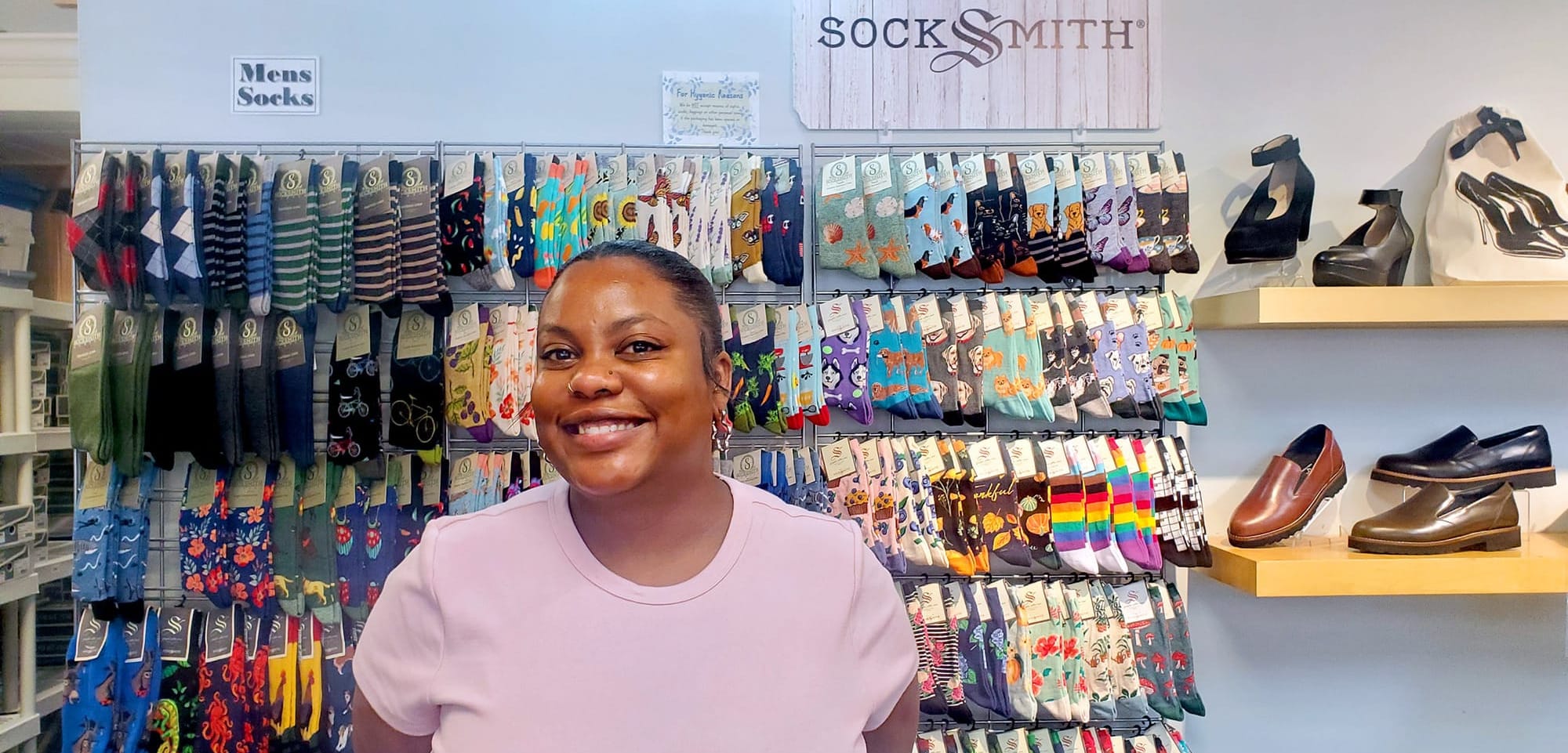
Store manager Candy works at both of the company’s stores, one on College Avenue and one on Solano Avenue. She commented that, “People like coming here knowing that they were guaranteed space to park, shop the entire block, and take their time without feeling too rushed. Once we lost that, we started to see a bit of a decrease in foot traffic.
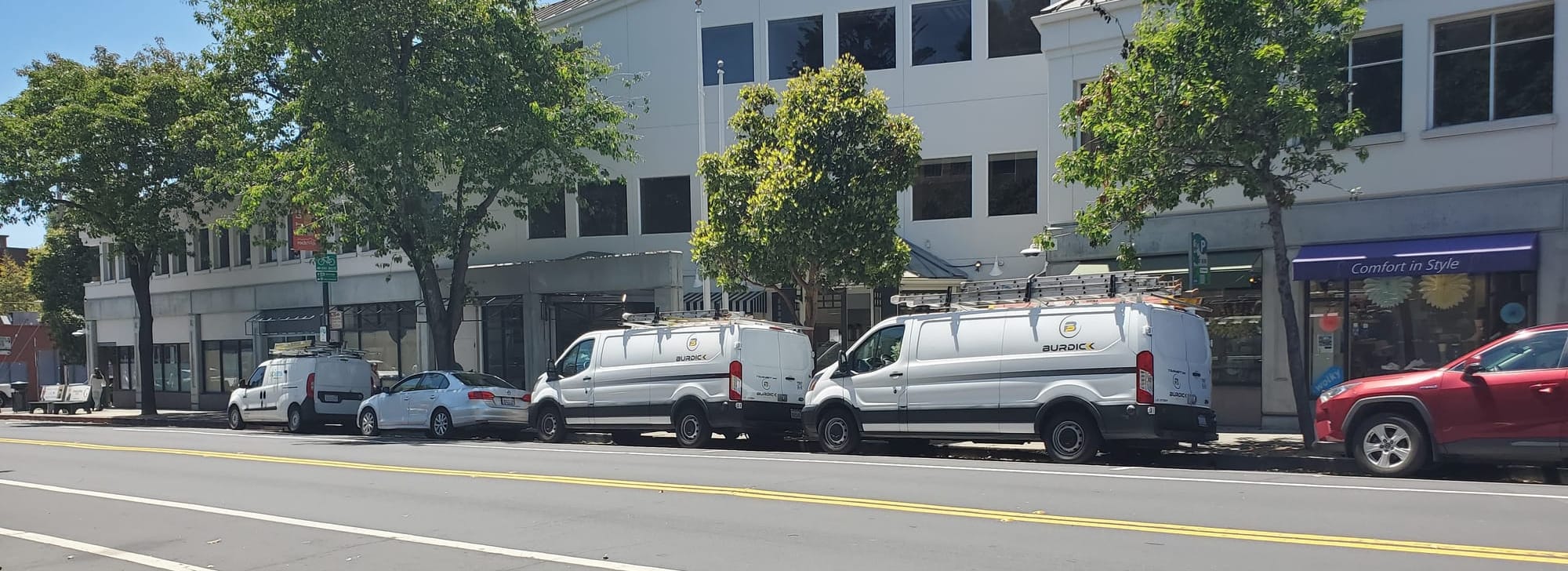
“There are some days with no noise at all, but on most days the construction noise is pretty loud, to the point that even customers are coming in and saying, ‘I'll come back later.’ They [the workers] sometimes try to modify their work hours, but early for them is still during our peak business hours.”
When Dreyer’s moved to College Avenue during the early 1980s, the Rockridge Community Planning Council fought hard to make sure the building included retail on the ground floor, not offices as was originally proposed—hopefully these cherished outlets will survive.
Today, the Rockridge retail district stands apart from its neighbors with consistently low vacancy rates remaining in the 3–4% range. Despite broader challenges in the city’s retail environment, our district now generates more revenue for Oakland than downtown does (Montclair and Grand Lake are also doing well, showing retail occupancy rates of 89.31% and 96.35%, respectively).
However, with more development projects potentially being planned for Rockridge, we must ask ourselves how we can continue to support our neighborhood retail outlets so they remain successful during ongoing construction. As we learned from the past, the real test of development is not what gets built now, but how long will it take for the community to thrive again afterward.
It remains imperative now, more than ever, to shop local.


