


Hispanic Heritage Month 2026 runs from September 15 to October 15. The timing has historical significance: September 15 marks the independence of Costa Rica, El Salvador, Guatemala, Honduras, and Nicaragua, followed by Mexico on September 16 and Chile on September 18. The 2026 theme is, “Unidos, Somos, Mas” (Together, We Are Greater).
Rockridge resident and Urban planner James Rojas (pictured above outside his home in Baja Rockridge) says that recognizing the month in this way provides an important opportunity to gain a perspective and understanding on how Latino culture fits in with American society, and how sharing lived experiences impact and enrich everyone.
“As Latinos, we bring centuries of Indigenous knowledge, cultural traditions, lived experiences, and fresh ways of seeing and building the American landscape. We understand cities not only through buildings, streets, and plans, but through relationships with neighbors, memory, nature, and the everyday ways people make places their own, says Rojas.”
While many new arrivals shy away from public life, cultural recognition can help ease feelings of isolation by highlighting their accomplishments and contributions. In particular, Rojas points to the significance of Hispanic contributions to the labor force, but beyond labor, many other of their contributions have made an imprint on the American landscape.
Through his work as an urban planner, Rojas champions an approach to design rooted in emotional and sensory experiences of everyday life—a perspective rarely taught in the classroom—and incorporates his own immigrant experience.
“Throughout my career, I have tried to bring these ways of seeing into urban planning. Latino communities are not simply living in American cities—we are continually reshaping them, adapting them, and creating new forms of urban life.”
This worldview often indirectly shapes local neighborhoods too. Latinos often elaborately decorate their homes and yards as an expression of the vibrant world they see around them—and it has become a common practice.
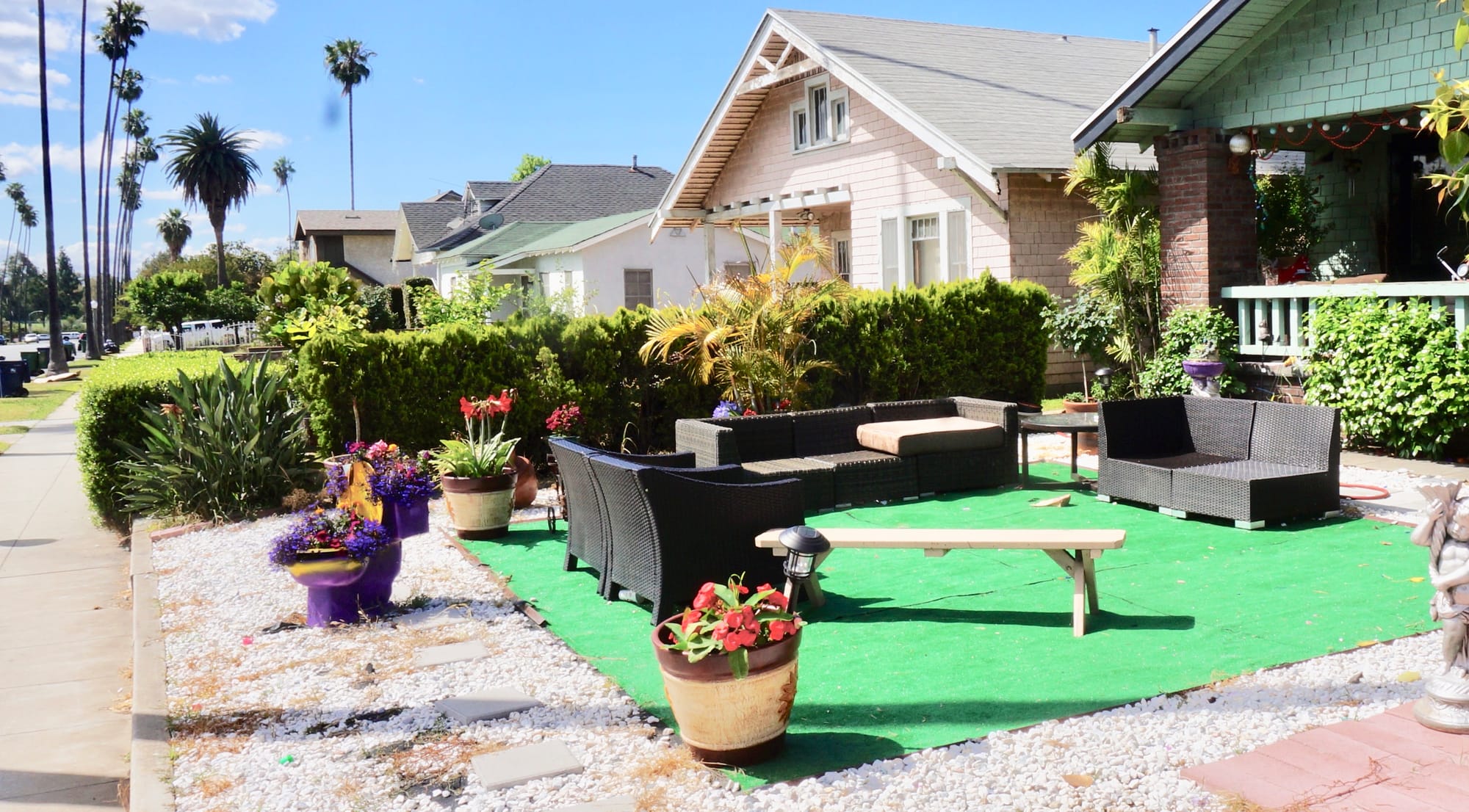
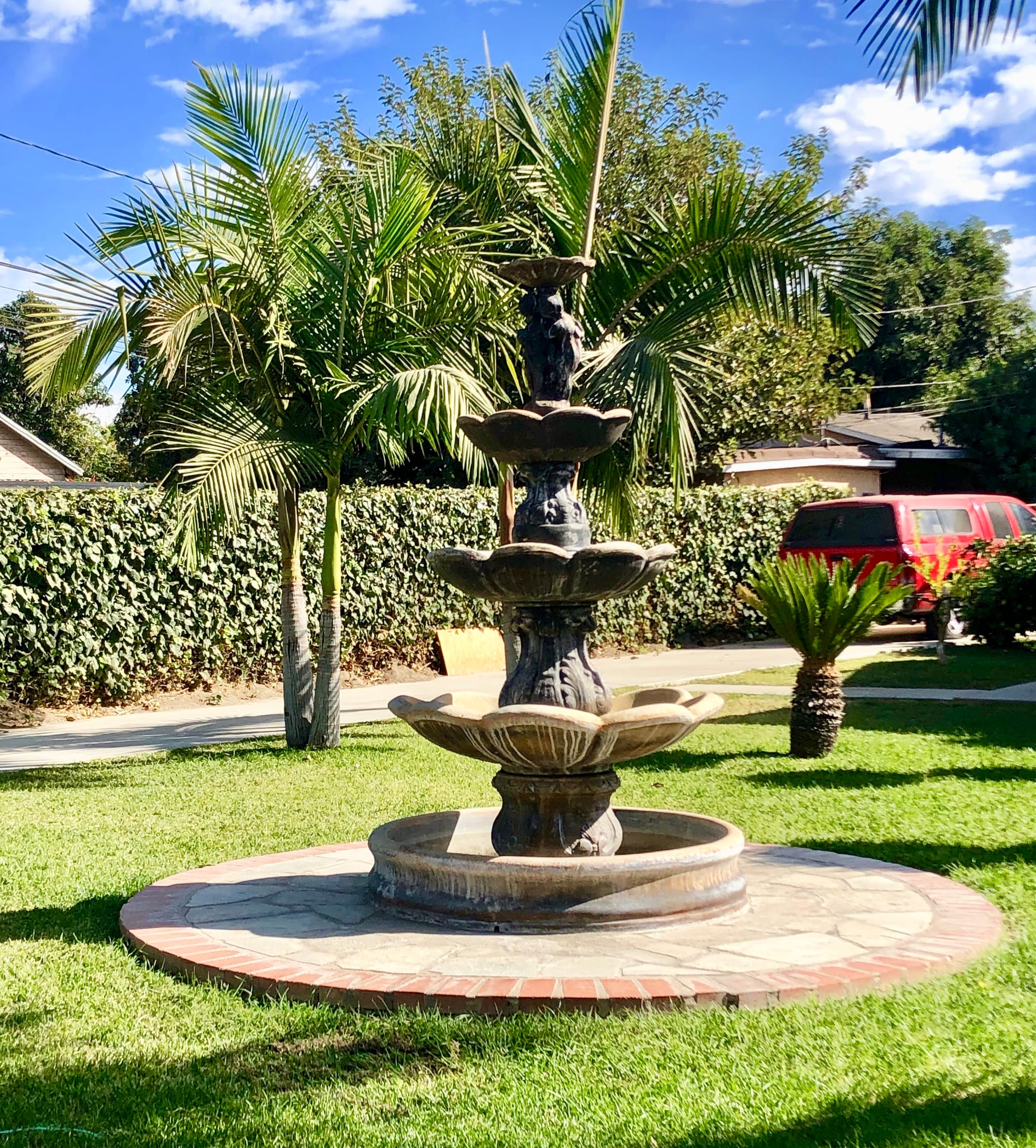
In Latin America, towns traditionally grew around a shared plaza, as required by the Spanish Laws of the Indies. U.S. cities developed more around business and commerce, often leaving fewer places for neighbors to gather. A front yard, for example, was not simply the space between the house and the sidewalk, but a place to gather, talk with neighbors, celebrate, watch the street, grow plants, and participate in community life.
Rojas practices this himself in Baja Rockridge.
“It’s like what I do in the front yard here in Rockridge, it’s my plaza. It's these social connections in the neighborhood that grounds me in the community. It's just how I’m wired.”
Hispanic Heritage Month gives us an opportunity to celebrate that history, and it should also challenge us to imagine what Latino planners, designers, artists, young people, and communities will contribute next.
Our heritage is not only something we inherit.
It is something we build upon.


