


For 25 years, Claudine Naganuma’s dNaga Dance Co. has shown that dance can do far more than entertain—it can build community, preserve personal stories, and transform lives. Earlier this summer, the company celebrated its silver anniversary with Where We Meet the Silver Moon, honoring a remarkable legacy of artistic innovation and community engagement.
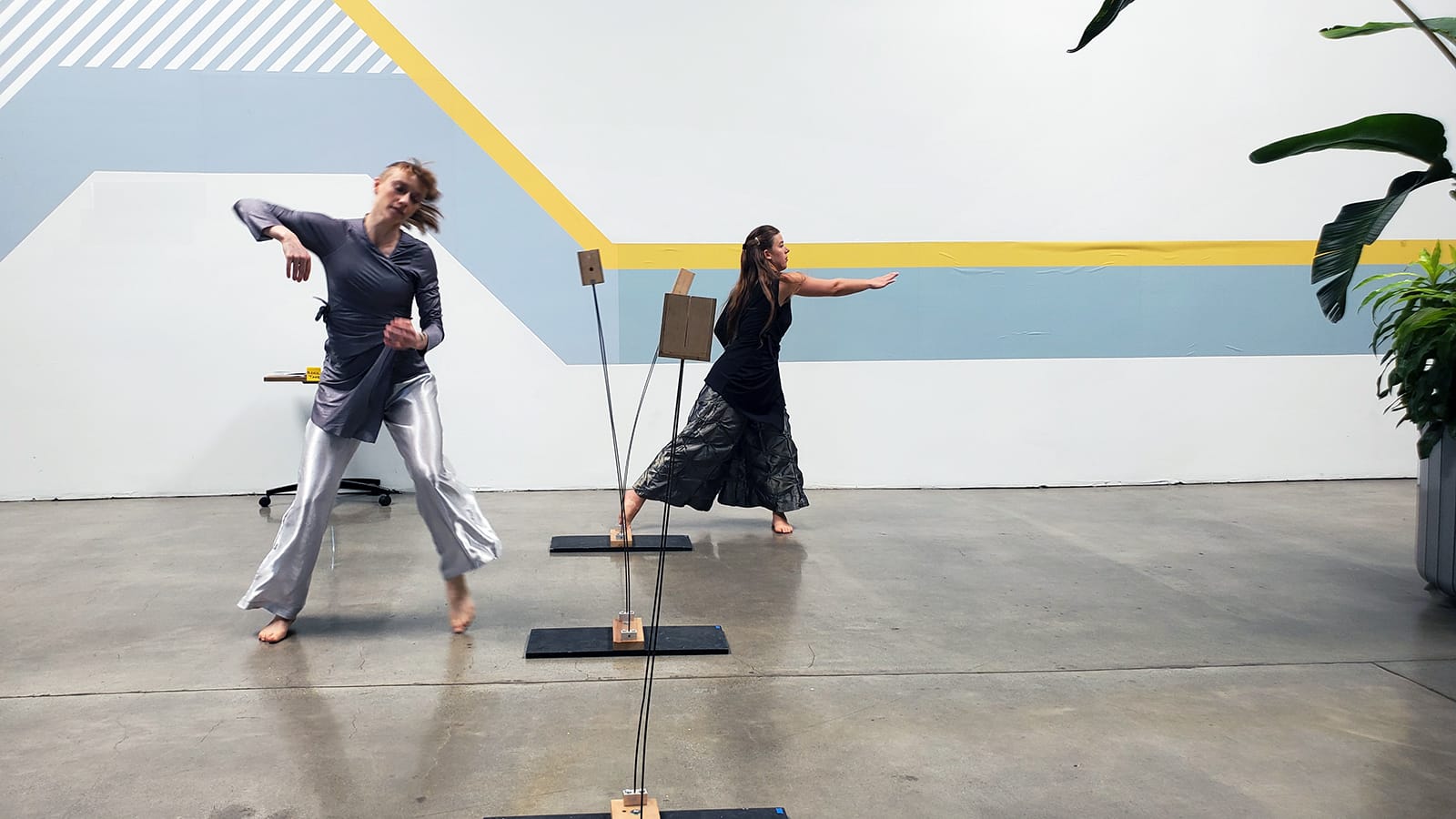
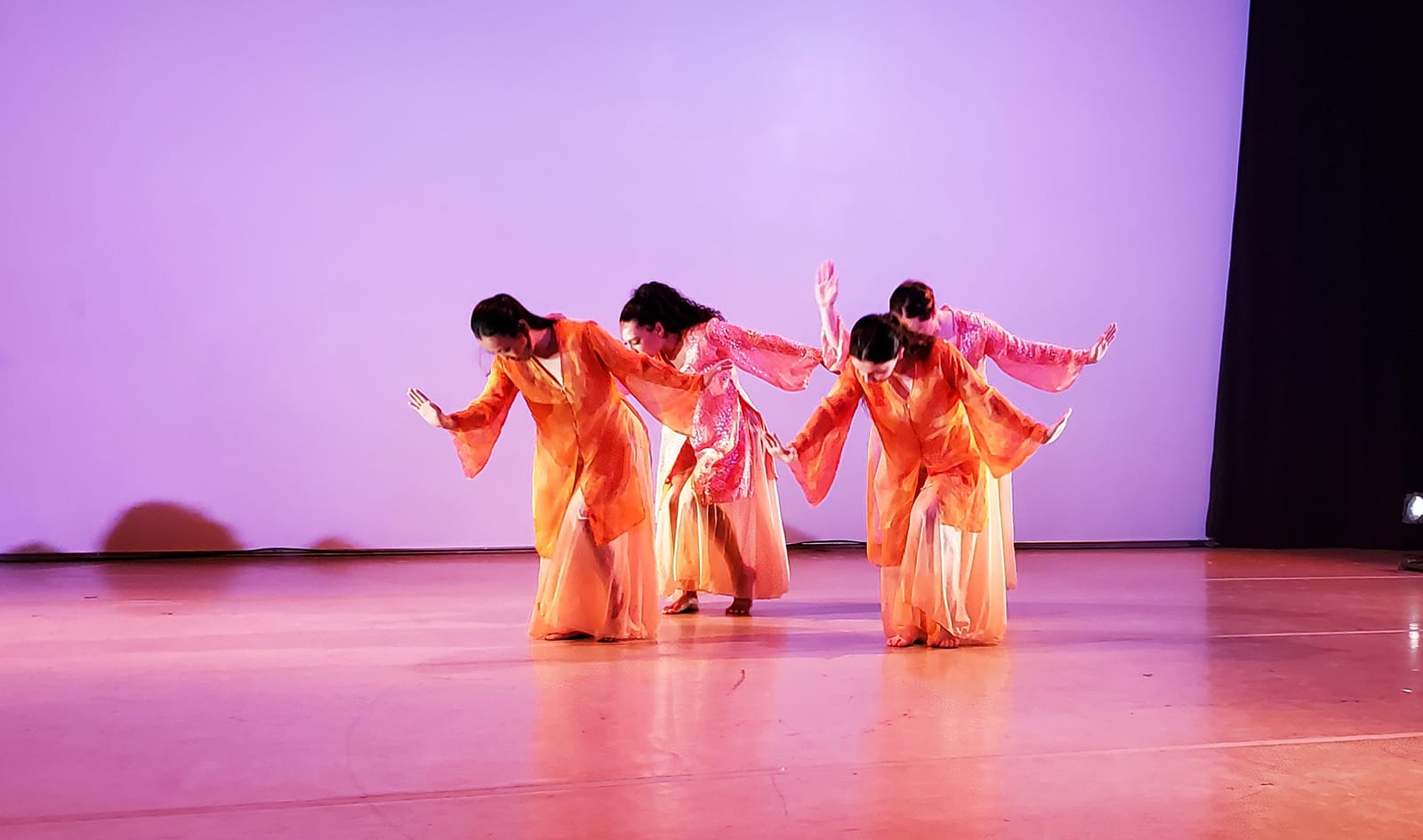
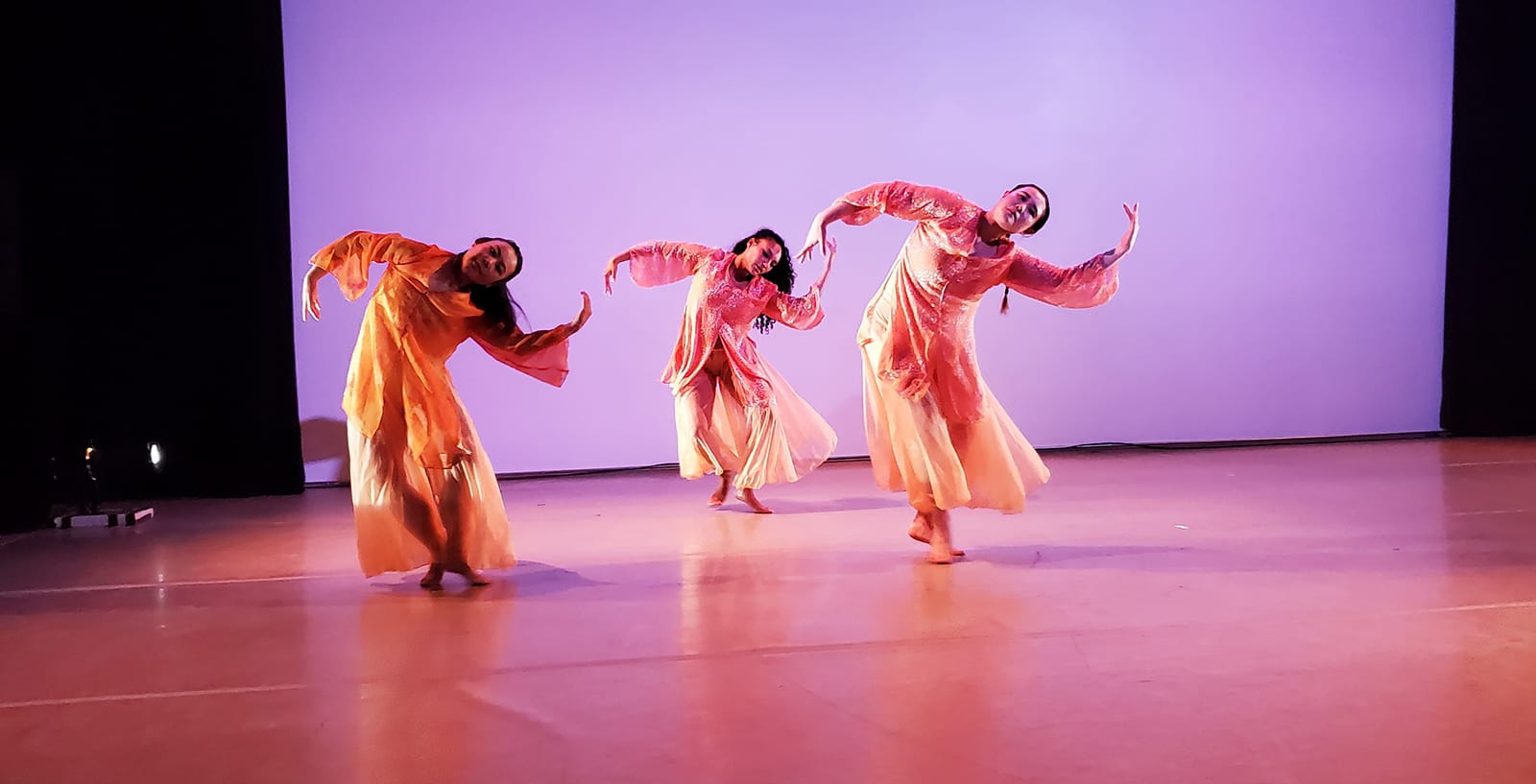
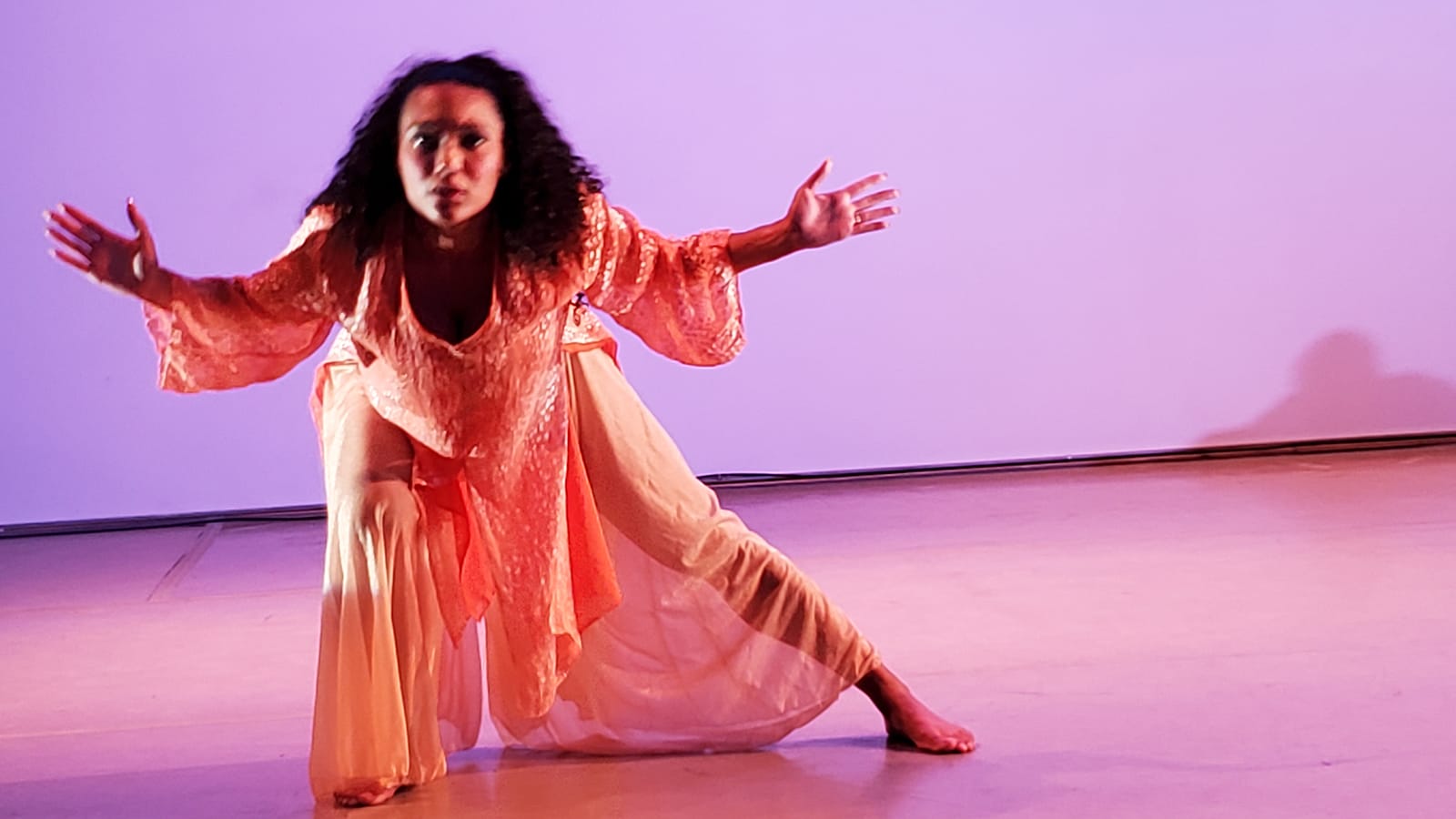
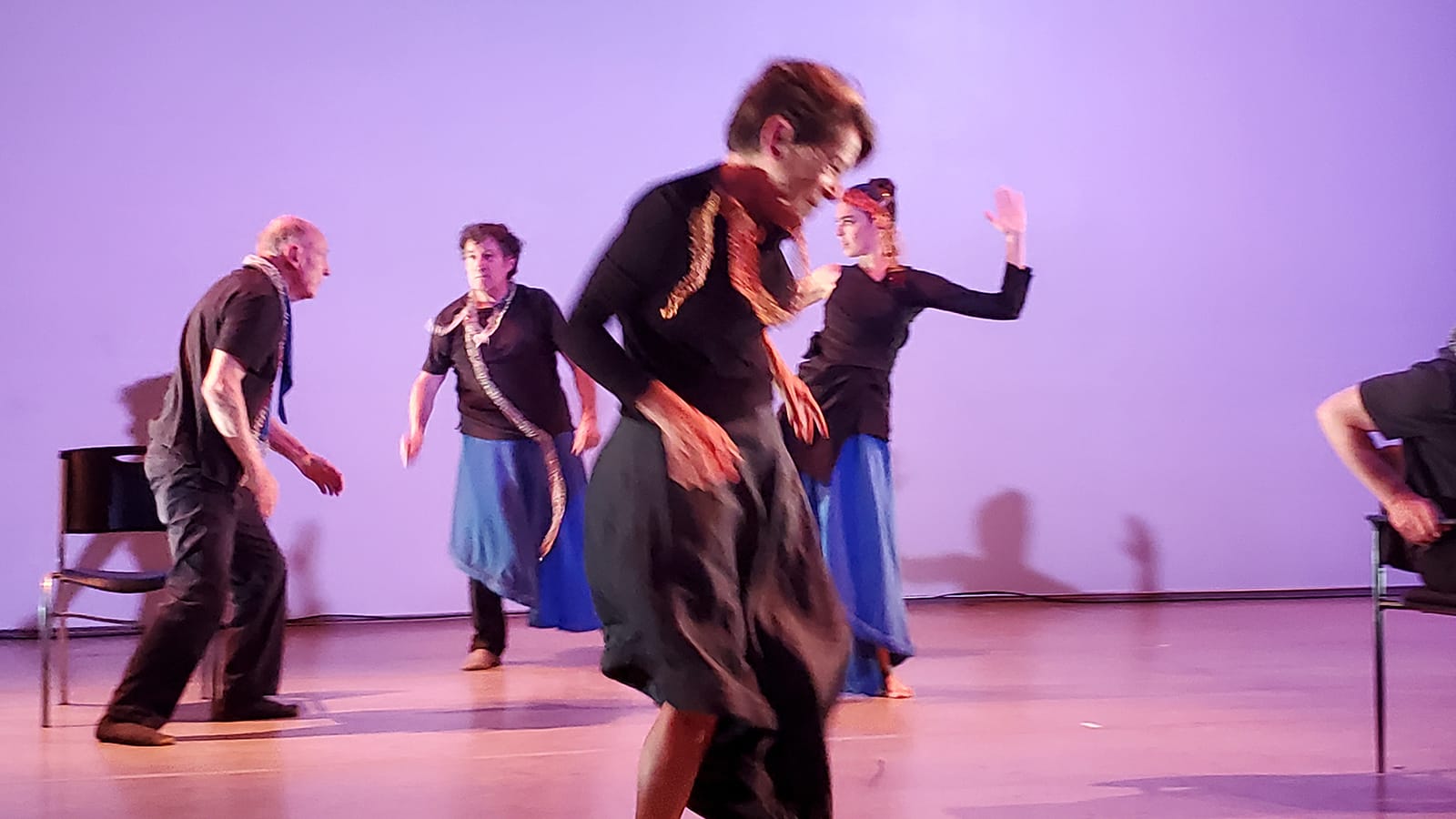
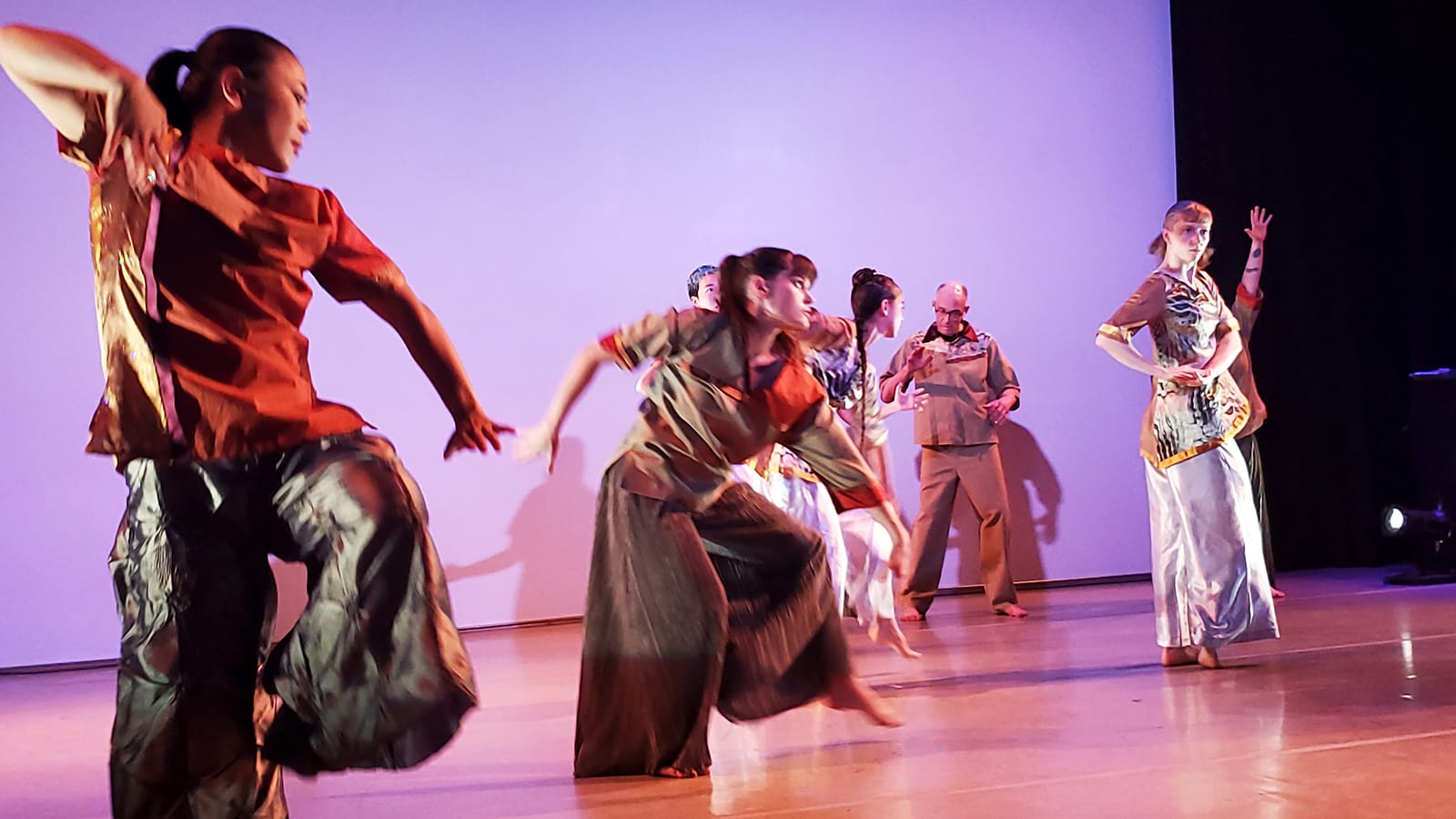
Dance for PD® Oakland Peace Project performed at the Dresher Ensemble Studios in July, 2026. Photos: Anna L Marks
dNaga Dance Co. has been in residence at Danspace, 473 Hudson, for more than two decades under the artistic direction of founder Naganuma. Since 2007, the studio has served as both dNaga's rehearsal space and the home of its free “Dance for PD® Oakland” program that she co-founded with David Leventhal, and Herb Heinz. Danspace, founded by Beth and David Hoge, celebrates its 50th anniversary this year—marking five decades as a cornerstone of the local dance community.
The relationship between dNaga and Danspace is also reflected in its artists, many of whom grew up and trained at the studio. The year-round classes combine ballet, modern dance, improvisation, and dance composition—bringing together people living with Parkinson's disease, caregivers, artists, and community members in a creative, supportive environment.
“I was her devoted student,” says Naganuma, referring to the time when Beth Hoge was her ballet teacher at Mills College. “I became a teacher, the manager of the studio in 2005, and then served as director of the school from 2015 to 2021. During that time, I had the great privilege of meeting so many talented young artists at ages 5 to 8, and am so glad that some of them have stayed with me to dance, now in their 30s.”
Naganuma was born in San Francisco. Her father was interned during World War II in a Japanese American concentration camp, and her mother was detained at the Angel Island Immigration Station.
“I was always grappling with a sense of being an outsider. Many of my early works were trying to figure out how the immigration laws directly affected my experience as a young person. I eventually became the Artistic Director of Asian American Dance Performances, the first Asian American dance organization in the country. At that time, identity was the sole motivation for much of my creative work as I worked very hard to find how I could attain a sense of belonging.”
The company’s commitment to the Parkinson’s community extends beyond the studio through The PEACE Project, which brings dancers living with Parkinson's together with dNaga's intergenerational ensemble for collaborative performances. These projects foster artistic expression while encouraging meaningful conversation about living with Parkinson’s disease.
dNaga, in residence at Danspace, has been offering a Dance for Parkinson’s program since 2007. Video Clip: Anna L Marks
“As I work with people with Parkinson’s, I want to share that they continue to belong in our community. A disease does not define them. Elders and those particularly with a neurological disease have every right to a sense of community care, says Naganuma. “Art has the power to raise awareness and bring together community members. This feeling of being part of an ‘ensemble’ is cultivated through a dance company and can be cultivated in a neighborhood and community.”
This work reflects the vision that has guided dNaga since its founding. After 12 years as Artistic Director of Asian American Dance Performances, Naganuma established dNaga as an intergenerational company that could move beyond traditional artistic boundaries. Drawing from ballet, modern dance, Chinese folk dance, and Butoh—an avant-garde Japanese dance form known for its expressive movement—she developed a distinctive choreographic style rooted in listening.
Many of dNaga’s performances begin not with movement, but with interviews. These conversations become the foundation for works exploring subjects such as the incarceration of Japanese Americans during World War II, racial profiling, mental health, challenges facing young people, and the experiences of people living with Parkinson's disease. By translating real-life experiences into movement, dNaga creates performances that invite empathy, reflection, and connection.
“Art has always been a tool for healing. It has given me an opportunity to look at complex issues and inquire about various subject matters. I take those interviews and bring them into the dance studio where we craft movement about the various subjects.”
Community remains at the heart of dNaga's mission to cultivate creativity and build connection. In addition to its performing company and Dance for PD® program, dNaga’s GIRL Project, based at Eastside Cultural Center since 2014, empowers girls of color ages 11 and older through multidisciplinary arts and leadership programming. Intergenerational collaboration continues to define the company's work, with community members regularly performing alongside professional dancers.
Neighbor Joanne Ruby lives three blocks away and signed up thinking the weekly exercise would help control her Parkinson’s, and because she likes to dance.
“I had no idea I would be invited into an ensemble of dNaga company dancers and people like me living with PD. It was an amazing feeling of empowerment. The surprise of finding an outlet for artistic expression at this stage of life feels like a gift—an opportunity to be in a creative space and feel the joy of movement and human connection.”
The dNaga Dance Company's PEACE Project has been integrating dancers with Parkinson's Disease since 2007. Video clip: Anna L Marks
Looking back over the past 25 years, Naganuma now sees how her early training gave her the discipline to show up for herself, and to give back to others.
The cultivation of creativity has given me the strategies to problem solve to get through obstacles. I’m surprised at how fast the years went by, but I am also surprised that when I look up after having my head down and working steadfast for so long that my work and my company dNaga has created remarkable programs that center on joy, love and creativity.”
Claudine Naganuma’s choreography was part of Dave Iverson’s 2014 documentary about dance and Parkinson’s called Capturing Grace. She served as the Director of Danspace from 2014–2021.


