

The practice of casual carpooling, until temporarily curtailed by the pandemic, became a popular way to commute into San Francisco from the East Bay. At designated pickup sites, riders and drivers met to form three- (or more) person carpools, qualifying for the carpool-only approach to the Bay Bridge toll plaza. Time and money were saved for everyone involved.
On bad traffic days, carpoolers—passing a mile-long line of cars waiting to pay the toll—could cut a half hour or more from their commute. Riders avoided paying AC Transit or BART fares, while drivers, until a few years ago, paid no toll at all. Today, drivers pay a reduced toll electronically through FasTrak as they zip through unmanned tollbooths (with hefty fines for using the lane with fewer than three passengers).
I was one of the pioneers of casual carpooling. I had been commuting alone since starting my job in San Francisco in the fall of 1975. There was no carpool lane then, and the toll was just 50 cents. Traffic was generally light, with backups at the toll plaza averaging a quarter mile and delays of ten to fifteen minutes. I didn’t mind the drive. I listened to KSAN’s morning show, with its eclectic music and DJ Terry McGovern’s clever banter.
In 1979, two things happened. Caltrans established a carpool lane for the final mile of freeway approaching the toll plaza. And after a fire in the train tunnel under the Bay, BART shut down for over two months. Caltrans and the media warned commuters to expect terrible traffic as former BART riders were forced to drive or take buses. I feared the worst.
Just before the freeway entrance, a few blocks from my home, there was an AC Transit bus stop on Claremont Avenue. On the first day of the tunnel closure, I pulled up and asked the people waiting there if anyone wanted to carpool to San Francisco. Two of them jumped into my car, and casual carpooling was born.
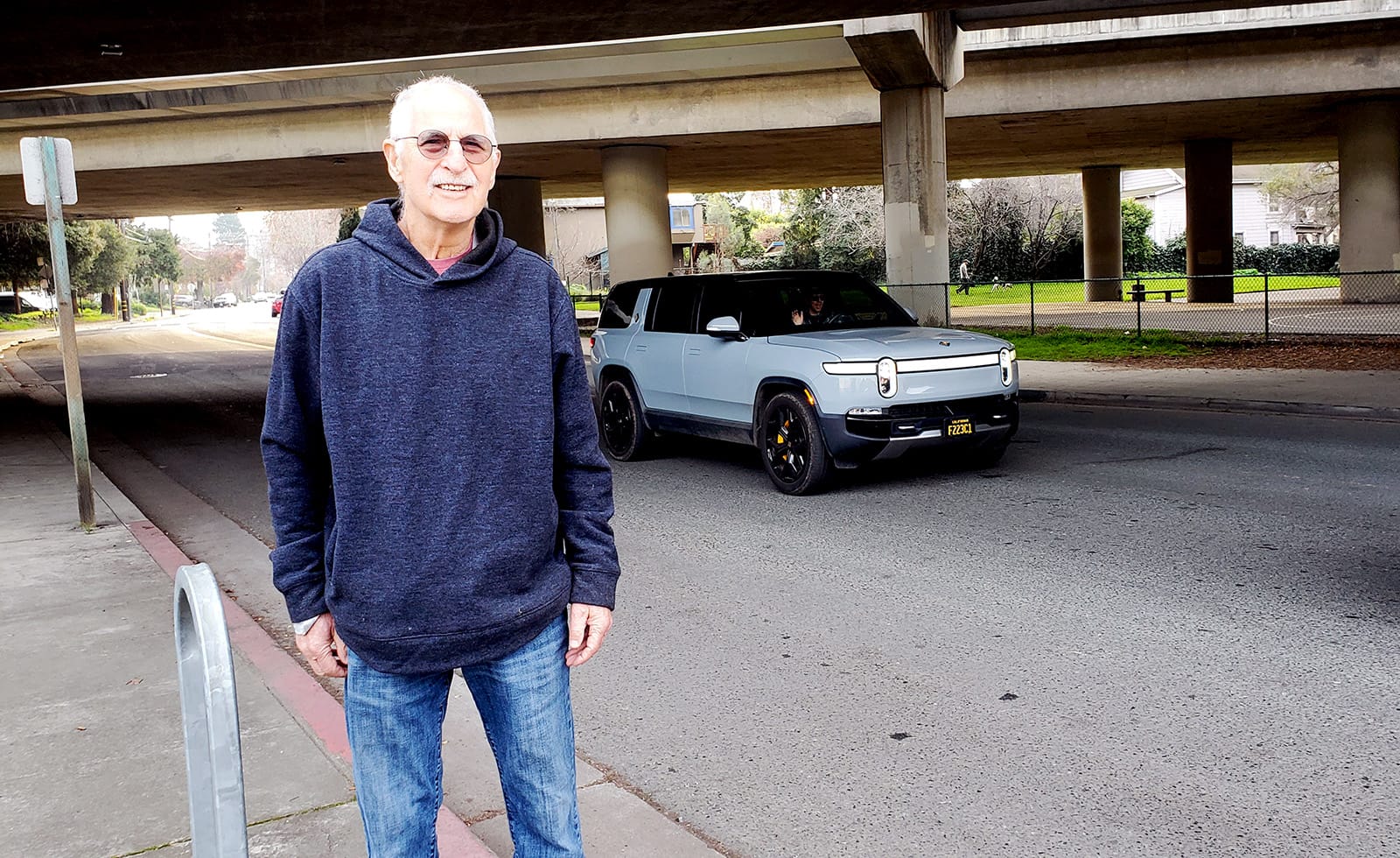
I wasn’t alone—other drivers were recruiting passengers too. But none of us imagined that what we started would eventually serve thousands of commuters each day. Because we were blocking buses, we soon began stopping just before the red bus zone. More drivers followed. Before long, cars lined up, blocked driveways, and created a traffic jam at the freeway entrance.
Someone got smart and posted a sign suggesting we move the loading zone across Claremont onto Hudson Street, which ran perpendicular to Claremont and faced the freeway. Drivers could wait there without causing a tie-up.
Riders followed, lining up on Hudson instead of at the bus stop. Casual carpooling remained unauthorized—but not illegal—for several months. Finally, Caltrans made it official, posting “No Parking 6 AM–9 AM” signs and installing a new one: “Carpool Pickup Here.”
Within months, casual carpooling spread to other routes in Oakland and Berkeley. Official pickup zones were designated, but the one at Hudson and Claremont was the first. From 1981 to 2000, I casual-carpooled to work every day.
One unofficial rule was that the driver chose the radio station. The norm was NPR. I didn’t listen to NPR then. When KSAN changed format in 1980, I tuned instead to KPFA, the listener-sponsored progressive station.
Having recently reawakened my political activism, I listened to KPFA’s Morning Show, with Philip Maldari and Chris Welch conducting in-depth interviews.
Another feature of carpool etiquette was that passengers generally didn’t talk unless the driver initiated conversation. Many drivers rode in silence. I preferred conversation. If a passenger opened a book or newspaper, I limited myself to hello and goodbye. Otherwise, I often engaged them.
With regulars, conversations continued over days and weeks. With new passengers, I never knew what to expect. If they answered in monosyllables, I let it drop. Often, though, the exchange was pleasant and interesting.
Occasionally, I felt an immediate connection—people who seemed like old friends by the time we reached the city and whom I was sorry to see go. They made my day.
Many passengers lived nearby, so I sometimes ran into them on weekends. One rode with kids the same ages as mine, and we regularly updated each other on their progress. Another started the day’s crossword when he got in the car and finished it halfway across the bridge.
I teased him if it wasn’t done by the city, or congratulated him if he finished early. No matter who rode with me, the view of San Francisco and the Bay as we crossed the bridge never failed to make me glad I lived where I did.
I look back fondly on those years of casual carpooling—on the time and money saved, and the people I met. Today, websites list pickup locations and share cautionary tales. Yelp even hosts warnings and complaints. I find them amusing. In all my years, I never encountered a dangerous or even particularly rude passenger, though apparently such people exist.
I never heard of muggings or car thefts—crimes that would undermine the entire system—until a single incident in 2013, when a group waiting at the Hudson Street pickup was mass-mugged at gunpoint. Perhaps this system works because it’s the Bay Area, or perhaps it could work anywhere. In any case, it works, and thousands of people benefit.
Editor's Note: On a Monday in late September, 2013, three hooded men robbed commuters at gunpoint in an Oakland casual carpool line in the Rockridge neighborhood, stealing phones, wallets, and bags as some victims froze and others fled — a time when robberies like this were much more common.
The robbers exploited the open, self-regulated nature of casual carpool stops, where commuters often carry valuable electronics. About seven people were mugged before the suspects escaped, though witnesses helped police later arrest at least two of them.
Since then, new technology has made selling stolen phones and tablets more difficult.


