


As a child, I grew up in a single-family home and always assumed that was the end goal — especially for upwardly mobile Latinos. Buying a home meant success, stability, arrival.
But from renting in Budapest to West Hollywood, I’ve come to see things differently.
My renting journey began in Germany while I was in the Army. I rented my first studio apartment just outside Heidelberg. It was compact and hyper-efficient — the tightly sealed windows popped when you opened them, and the sink, stove, and refrigerator were combined into one ingenious unit.
By contrast, my ground-floor apartment in Vicenza, Italy, was hundreds of years old. The crossbeams bowed. The masonry walls settled. It felt layered with history rather than engineered for efficiency.
In Budapest, I moved six times in three years. Under communism, there was no true rental market — housing was fluid, uncertain, improvised. Later in Los Angeles, I lived in a Hollywood bungalow and then an artist loft in Downtown. Each space reflected a different economy, a different culture, a different aspiration.
Through these varied living situations, I began to understand housing not as a ladder to climb, but as a lens through which to read society.
For the past ten years, we’ve been renting in Rockridge — and it’s been great.
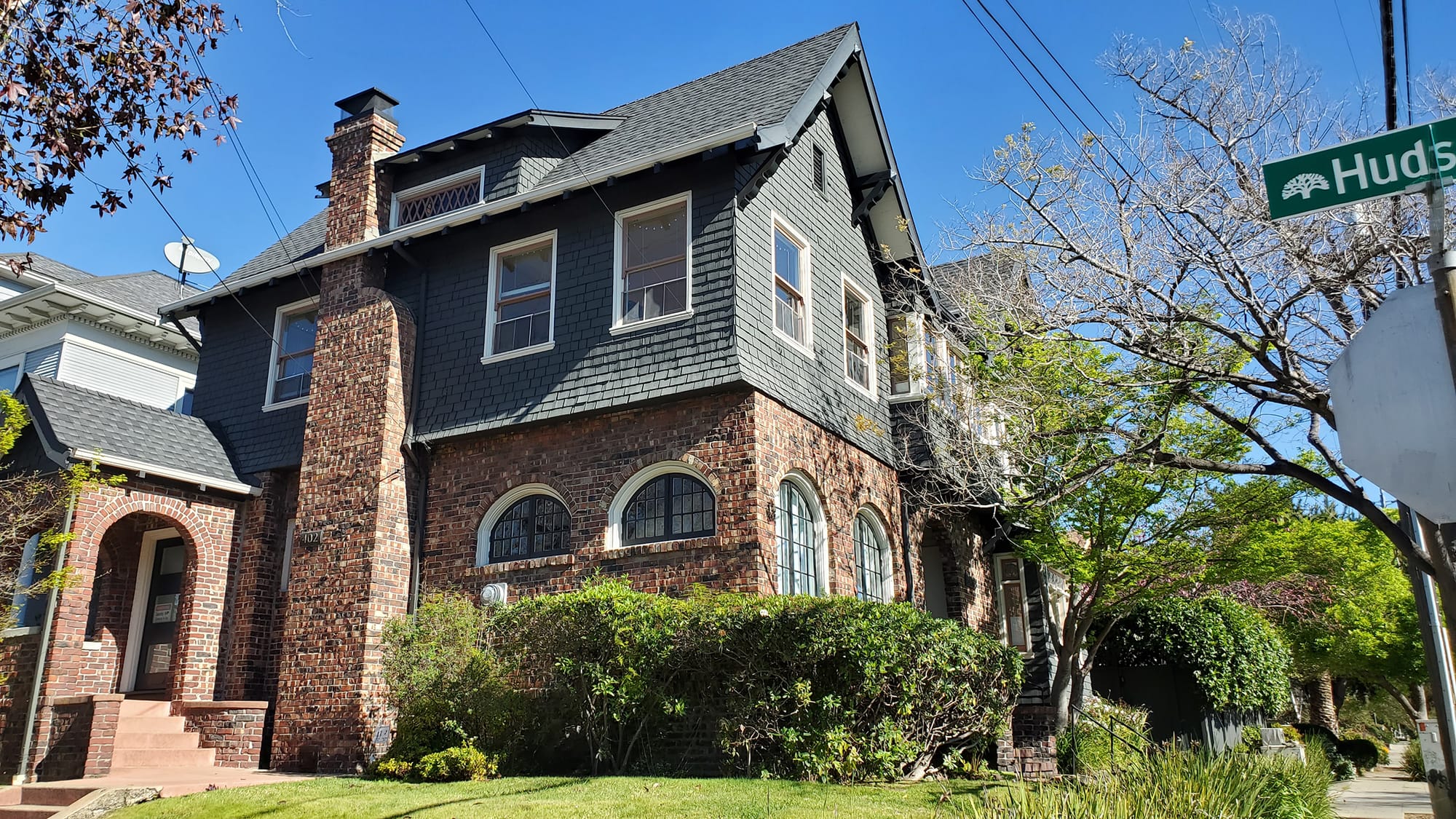
Living next door to other renters has revealed a different kind of community. Renters often face outward. They’re on the sidewalk, in conversation, curious about what’s happening beyond their front door. Meanwhile, some long-term homeowners turn inward — remodeling kitchens, collecting things, investing heavily in interiors.
As renters, we feel lighter. More social. Less tethered to property and more attached to people.
We’ve made close friends with other renters and followed their evolving lives. Many have moved on to Austin, Southern California, Chicago, even Piedmont for ownership. Through them, our sense of place stretches far beyond our immediate neighborhood. Renting has expanded our geography of relationships.
And yet.
Recently, I attended a Local Economy talk titled “What It Takes to Deliver Climate Progress and Shared Prosperity.”
What struck me most was what was missing.
Nearly every conversation about sustainability and wealth-building centered on homeowners: solar panels, retrofits, EV chargers, tax credits, equity gains. The sustainable future was framed as something you own.
What about Renters?
In cities like Oakland, and increasingly in neighborhoods like Rockridge, more and more people are renting. If sustainability is structured primarily around property ownership, then a growing share of the population is excluded from both climate benefits and economic prosperity.
That is a serious equity issue.
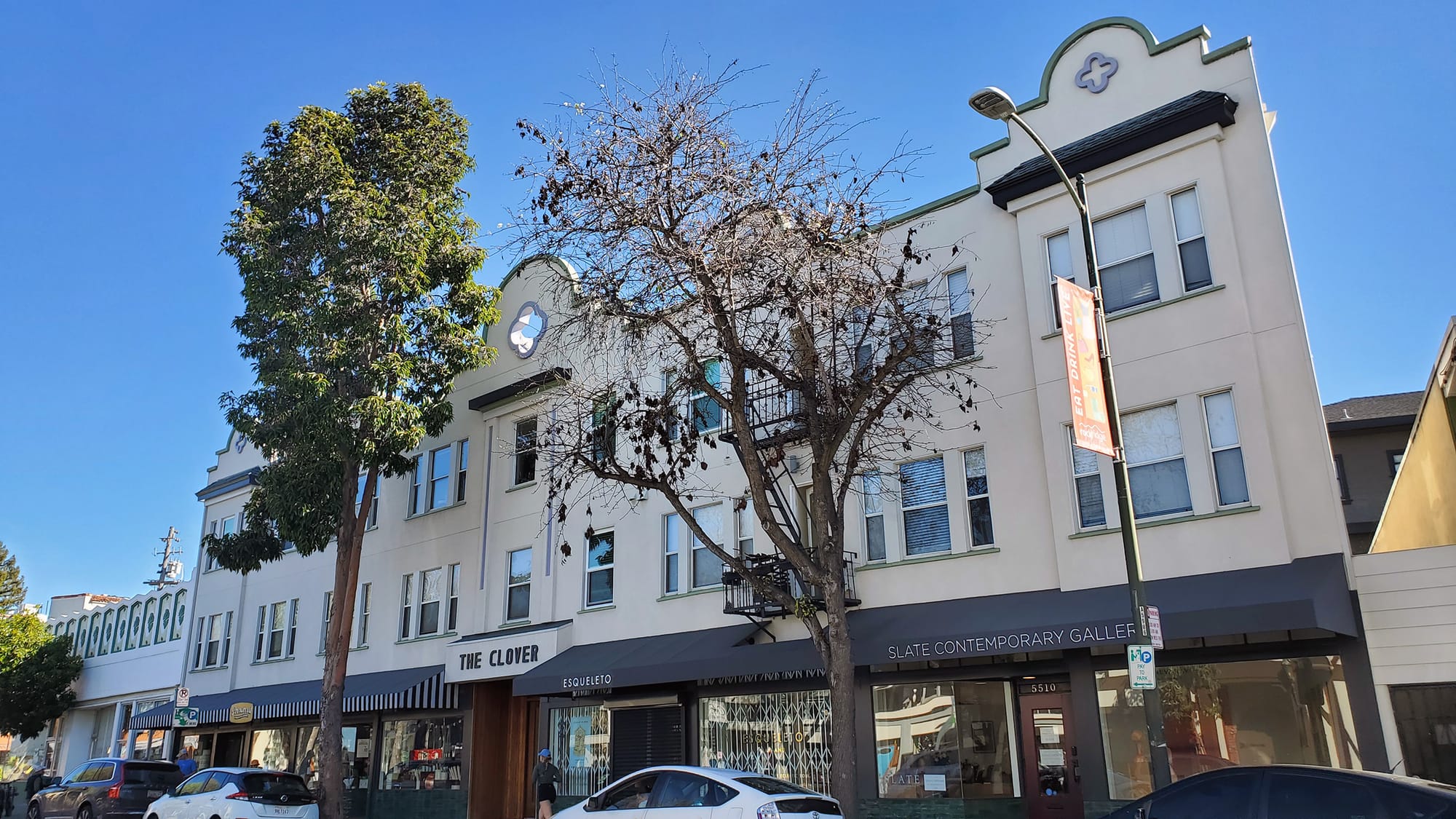
If we are truly committed to shared prosperity and climate progress, public policy must prioritize renters:
● Incentivizing landlords to retrofit aging buildings
● Expanding protections for tenants during green upgrades
● Supporting cooperative housing and community ownership models
● Investing in walkable, transit-rich neighborhoods that reduce dependence on cars
A sustainable city cannot be built solely on homeowner wealth accumulation. It must improve daily life for renters, who make up the majority in many urban areas. If government does not step in to address rental housing conditions, energy efficiency, and affordability, we risk creating a two-tiered climate future: green for owners, precarious for renters.
And that contradicts the very idea of shared prosperity.


